
Resolving Valuation Disconnects Between Legal Asset Ownership and Friction Bound Operational Extraction Realities
Statutory ownership provides legal standing while operational extraction yield depends entirely on the live energetic cost of overcoming systemic organizational friction.

Paper
A buyer signs a binding purchase agreement for proprietary logistics software, holds statutory title deeds from the commercial registry, and discovers that pulling real cash flows from the business requires unrecorded phone calls to municipal dispatchers every morning. Legal asset documentation defines which party holds the right to exclude others from an intellectual property registry, a client list, or a fleet of machines. That legal boundary establishes formal standing before a statutory authority, whereas operational extraction runs through routine maintenance habits, vendor trust, and procedural improvisations.
Statutory rights exist as static claims against an economic entity. The legal instrument treats property as a binary state of possession. Balance sheets record an unbroken chain of title, while the daily yield of the enterprise depends on manual interventions that contracts rarely catalog.
The divergence between formal ownership and physical yield creates immediate valuation errors during acquisitions and partnership distributions.
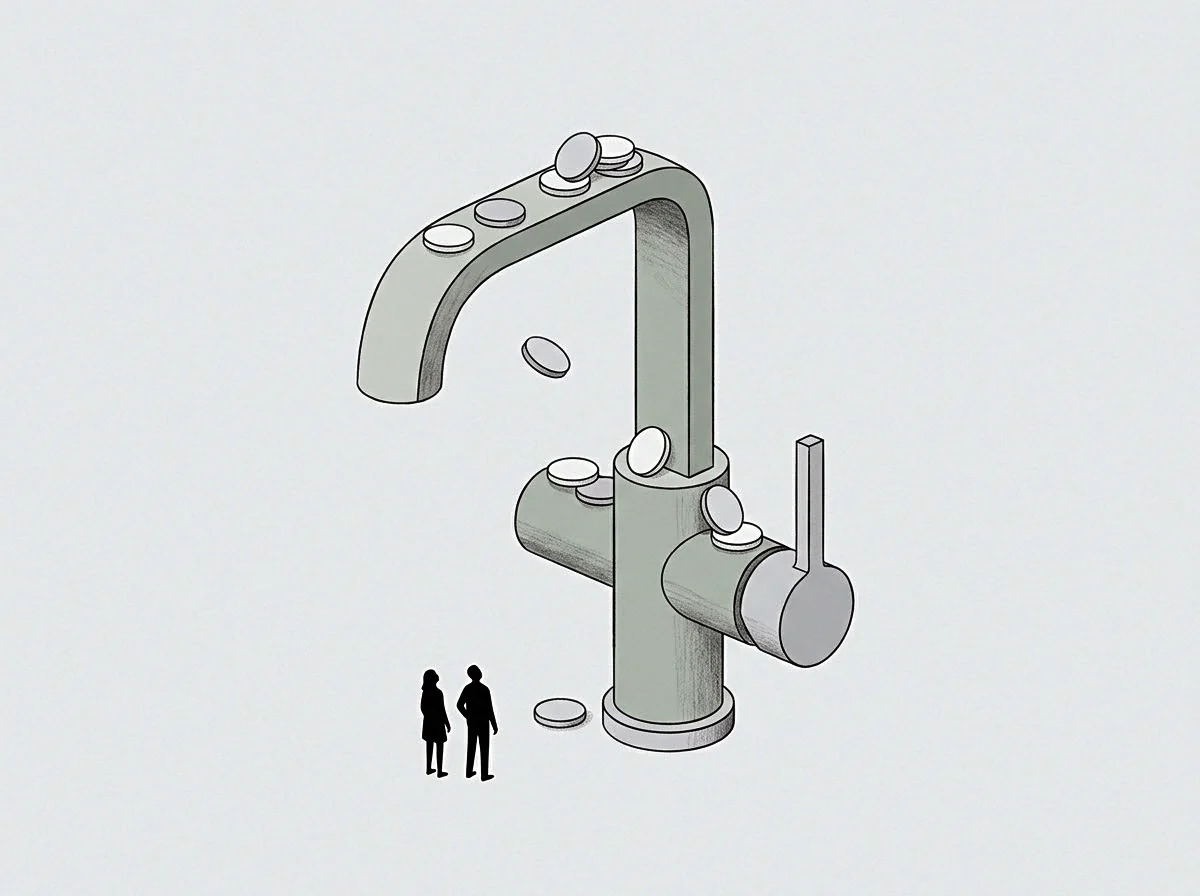
Statutory Title and Registered Possession
Corporate registries confirm who holds legal standing to defend an enterprise against external claims, but that formal recognition generates no throughput on its own. When an asset sits within a corporate envelope, the value ascribed to the equity interest reflects a theoretical frictionless extraction rate. Financial models discount future revenue flows using uniform cost of capital metrics, treating the transition from statutory control to cash realization as an automatic consequence of signing the documents.
A legal title describes who may defend an asset in formal disputes, while operating cash flows depend on who can manipulate the physical machinery day to day.
Real economic yield leaks through every interface where static property meets dynamic operational demands. An investor who purchases patent filings or proprietary code repositories without securing the human operators discovers that legal possession yields negligible commercial output. The recorded balance sheet asset remains inert until operational labor activates its commercial capacity.
Overestimating asset value by substituting statutory documentation for extraction viability leaves capital allocations stranded in structures that consume liquid reserves simply to stay solvent.

Toll
Every operational process exacts a physical tariff on cash extraction. The path between gross enterprise earnings and actual liquid distribution is governed by dissipative drag. An operator constantly navigates software debt, informal employee customs, and decaying vendor relationships that never appear in audited accounts.

Dissipative Drag Across Unrecorded Systems
Unrecorded operational dependencies reduce the extraction rate of legally owned capital. Tacit engineering workflows, undocumented client retention accommodations, and localized labor negotiations impose a continuous operational surcharge on incoming ownership. This drag is an energetic reality of human coordination.
- Frictional Tacit Routing creates an immediate operational tax on new owners when operating procedures exist exclusively in employee memory.
- Vendor Goodwill Decay shrinks supplier credit windows the moment unfamiliar executives attempt collections without decades of established relational history.
- Systemic Ductile Debt forces continuous compensatory engineering expenditures on software assets that lack automated integration environments.
When extraction processes rely on undocumented personal intervention, every withdrawal of capital accelerates the deterioration of the underlying operating structure.
The gap between nominal earnings and extracted cash widens as operational complexity increases. When an incoming owner attempts to capture statutory earnings without funding unrecorded maintenance routines, key personnel depart and operational machinery freezes. The extraction rate drops toward zero while legal ownership remains completely uncontested.
The financial statements show an asset generating twenty percent returns, yet five engineers quit the moment distributions take priority over their unrecorded maintenance routines.

Floor
Liquid capital realization requires an accurate baseline that accounts for structural operational drag before establishing asset price. Analysts who treat gross cash yield as an intrinsic property of the underlying asset produce distorted valuations that ignore extraction mechanics.

Structural Valuation Variance Across Asset Classes
Valuing operational assets demands isolating statutory rights from the manual labor required to harvest returns. The following comparison outlines the divergence between nominal balance sheet valuation and friction bound extraction across common enterprise assets.
| Asset Category | Statutory Valuation Basis | Operational Resistance Factor | Extraction Yield Realization |
|---|---|---|---|
| Enterprise Client Contracts | Cumulative Contracted Gross Billings | Account Executive Relational Capital | Net Billings Minus Transition Churn |
| Proprietary Code Repository | Historical Development Capitalization | Tacit Engineering Maintenance Overhead | Revenue Less Unplanned Refactoring Outlays |
| Automated Assembly Plant | Appraised Depreciated Physical Basis | Localized Line Mechanic Calibration Skill | Output Volume Bound to Specialist Retainers |
| Brand Intellectual Property | Discounted Royalty Cash Flow Model | Reputational Defense and Public Relations | Net Licensing Royalties Minus Channel Disputes |
The spread between statutory valuation and extraction yield reflects the unpriced labor of incumbent operators. A factory line can appear profitable on financial schedules while relying entirely on an unwritten calibration routine practiced by one senior technician. Once equity changes hands without that technician, the capital asset operates at a structural deficit.
An asset evaluated without subtracting the energy consumed by its extraction routine is priced as a perpetual motion machine.
Determining the extraction floor requires pricing the human friction, technical obsolescence, and organizational resistance that stand between gross earnings and liquid owner distributions.
Value remains tethered to what an incoming operator can pull out through existing channels rather than what an owner can theoretically sell on paper.

Grip
Possession of legal certificates does not confer operational control over enterprise extraction pathways. Operational command resides with the personnel who handle procedural exceptions and negotiate daily bottlenecks.

Procedural Retention and Transition Dynamics
When legal owners attempt to enforce cash extraction without the cooperation of key personnel, operational throughput collapses. The operational core of an enterprise routinely resists passive extraction by slowing delivery cadences and withholding contextual problem-solving routines.
- Discovery of Informal Routines exposes the unmapped labor protocols that prevent operational breakdown under volume stress.
- Conversion of Tacit Procedures into codified operating manuals reduces key-person leverage during ownership handovers.
- Alignment of Extraction Incentives ensures operational stewards participate directly in net surplus realization.
The academic literature on knowledge transfer indicates that complex procedural capability rarely transfers through written documentation alone. Field observations confirm that operational extraction capacity deteriorates when key operational stewards face compensation cuts following an acquisition. What remains uncertain is whether complete operational codification is achievable in creative and service-oriented enterprises, or if extraction will always demand continuous tribute to live human operators.
A transaction completed without explicit compensatory terms for tacit procedural transfers triggers rapid operational decay within ninety days of closing.
The open inquiry remains whether complex procedural memory can ever transfer cleanly across corporate ownership boundaries without granting the original operators permanent rent-seeking claims on enterprise surplus.
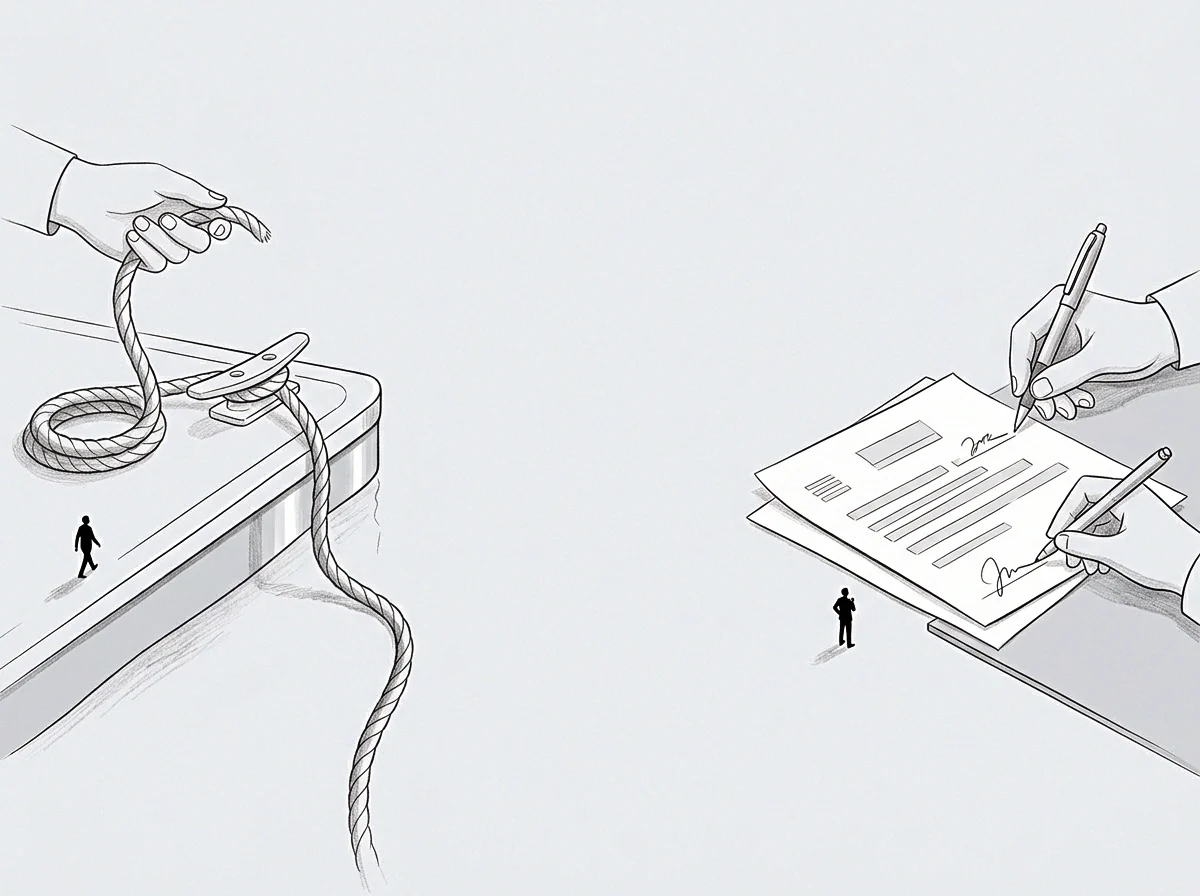
Pact
Resolving valuation disconnects requires transaction structures that explicitly reflect the operational extraction gradient. Legal agreements that treat business valuation as a single cardinal figure fail to account for the ongoing friction of daily enterprise execution.

Contractual Tools for Extraction Friction
Modern transaction architecture incorporates structural holdbacks, synthetic equity, and operational earnouts to bridge statutory claims and extraction realities. By indexing purchase price payments to realized extraction rather than nominal earnings, buyers insulate capital from hidden dissipative drag.
Sellers who claim frictionless operational capacity face financial accountability when post-closing extraction fails to meet baseline projections. Structured agreements shift extraction risk onto the parties possessing the operational knowledge required to resolve production bottlenecks.
A performance holdback pegged to verified run-rate extraction yield rather than reported billing receipts forces the selling entity to finance operational friction until procedural autonomy is achieved.