
Structural Avoidance Patterns in Engineering and Operations Expansion
Engineering teams route operational expansion around core database constraints by building peripheral wrapper services, accumulating hidden coordination friction.
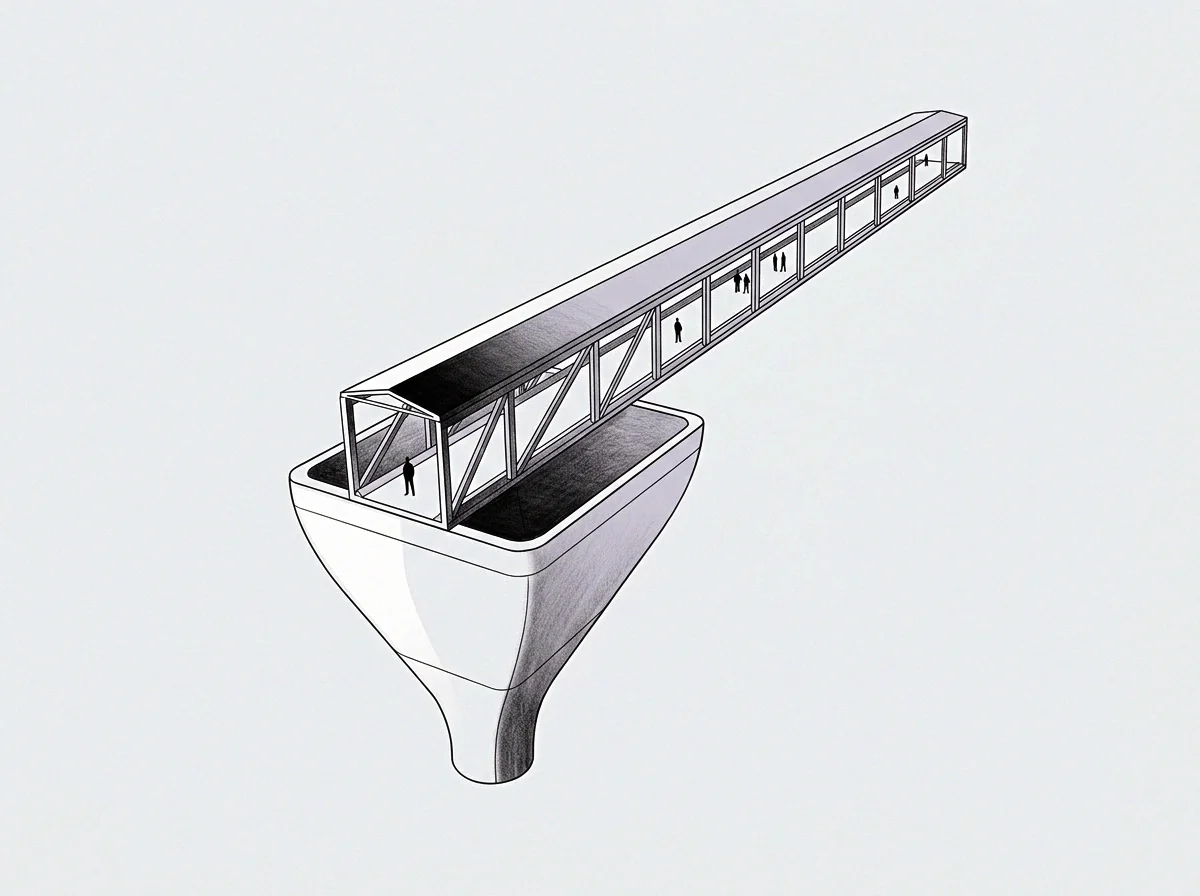
Vector
A central database table supporting customer billing reaches fifty million rows, while query latency increases past eight hundred milliseconds. The core application team delays a schema partition for four consecutive quarters because altering the migration pipeline threatens upstream reporting services. An operational integration team builds a secondary event broker and a parallel data store to handle new subscriber attributes alongside the primary store, keeping the primary schema intact while message queues grow.
Under delivery deadlines, feature throughput follows the path of lowest immediate organizational resistance, deflecting work away from dependencies with a high blast radius. Modifying a shared relational model demands cross-team architectural reviews, migration scripts, rollback plans, and temporary read-only windows. Constructing a peripheral ingestion service requires only a new repository, an API endpoint, and isolated deployment permissions.
System architecture bends around these internal friction points.
Expansion routes track underlying organizational boundaries. Engineering teams push growth into unconstrained operational spaces, standing up satellite services to bypass legacy core bottlenecks. Each peripheral service formalizes a local workaround.
As new features stack onto peripheral pipelines, the distance between the core data domain and the operational execution edge increases continuously.
Bypassing central bottlenecks repeatedly trades temporary migration risk for permanent operational synchronization overhead.

Gradient
The direction of engineering expansion follows the operational gradient descent across the organization’s technical value axis. Systems settle into local minima where immediate implementation energy is minimized. Refactoring a foundational service requires significant upfront effort, whereas building an integration wrapper sits in an energetic trough.
Engineers deploy secondary services because down-slope execution delivers features faster within a single sprint window.

Where Does the Hidden Refactoring Overhead Accumulate?
Kingman’s formula demonstrates that waiting time increases non-linearly as system utilization approaches capacity under stochastic arrival patterns. This finding rests on Markovian service assumptions with Poisson process arrivals. When incoming service requests exhibit heavy-tailed distribution patterns or bursty operational batching, queue growth accelerates beyond standard exponential predictions.
Engineering teams frequently mistake queue depth for service inefficiency, ignoring structural congestion at the core datastore.
These avoidance patterns produce predictable structural behaviors across growing engineering organizations.
- Schema wrappers bypass core migrations by storing unstructured payload blocks, creating schema fragmentation across secondary stores.
- Parallel queues isolate transactional processing failures, which increases downstream data reconciliation complexity across distributed nodes.
- Manual overrides absorb edge-case transaction failures without updating core validation logic, consuming operational engineering capacity.
- Shadow microservices duplicate read models to avoid multi-team coordination, multiplying total system infrastructure expenses.
A distributed software system routes around architectural bottlenecks whenever the coordination cost of central refactoring exceeds the immediate build time of an peripheral integration wrapper.
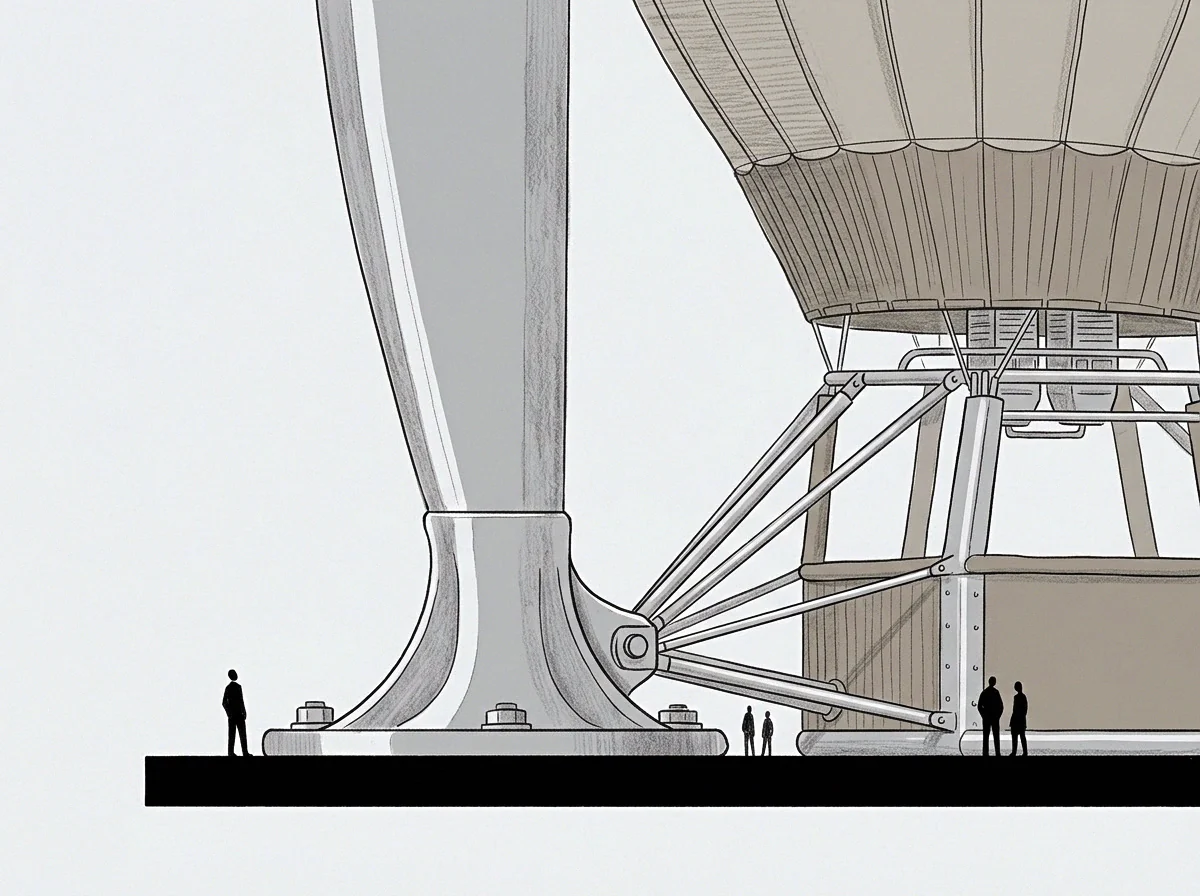
Local Minima in Technical Expansion
System mechanics consistently favor incremental peripheral expansion over core structural intervention. Every secondary service added to bypass a core schema limitation alters the global network topology. The operational slope tilts further away from the central application monolith, encouraging subsequent teams to build on top of peripheral pipelines rather than addressing the primary data model.
The addition of an asynchronous decoupling layer changes the failure domain from atomic persistence errors to silent eventual consistency divergence.

Wall
The structural constraint within a legacy system acts as a physical boundary wall. Surrounding services expand outward until hitting the boundary of schema rigidity, team ownership limits, or database throughput ceilings. Rather than breaking down the wall through direct refactoring, operational expansion builds secondary routing paths around it.
The space behind the wall accumulates latent debt.
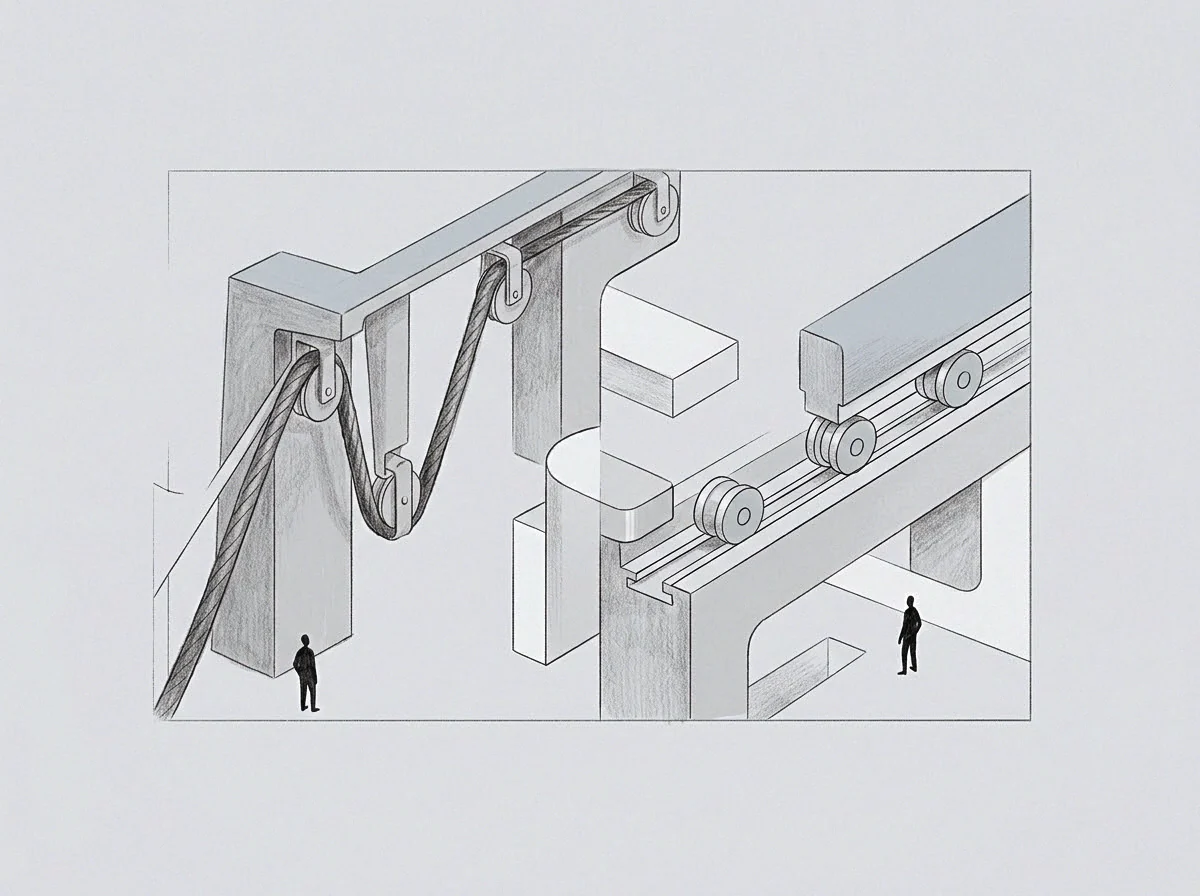
Mapping Boundary Wall Architecture
Evaluating trade-offs between peripheral infrastructure wrappers and direct core schema migrations reveals distinct operational profiles across system expansion phases.
| Dimension | Peripheral Wrapper Architecture | Direct Core Schema Migration |
|---|---|---|
| Deployment Velocity | High initial speed by avoiding multi-team sign-offs and migrations. | Low initial speed due to validation and shared dependency alignment. |
| Maintenance Cost | Compounds non-linearly as secondary translation layers proliferate. | Remains constant per core domain feature added. |
| Data Consistency | Requires asynchronous reconciliation jobs to align secondary stores. | Maintains strict transactional boundaries at the storage layer. |
| Operational Capacity | Diverted continuously toward debugging distributed state drift. | Preserved for primary domain service feature engineering. |
When schema migration barriers remain unaddressed for two expansion cycles, secondary operational overhead permanently consumes thirty percent of core engineering availability.
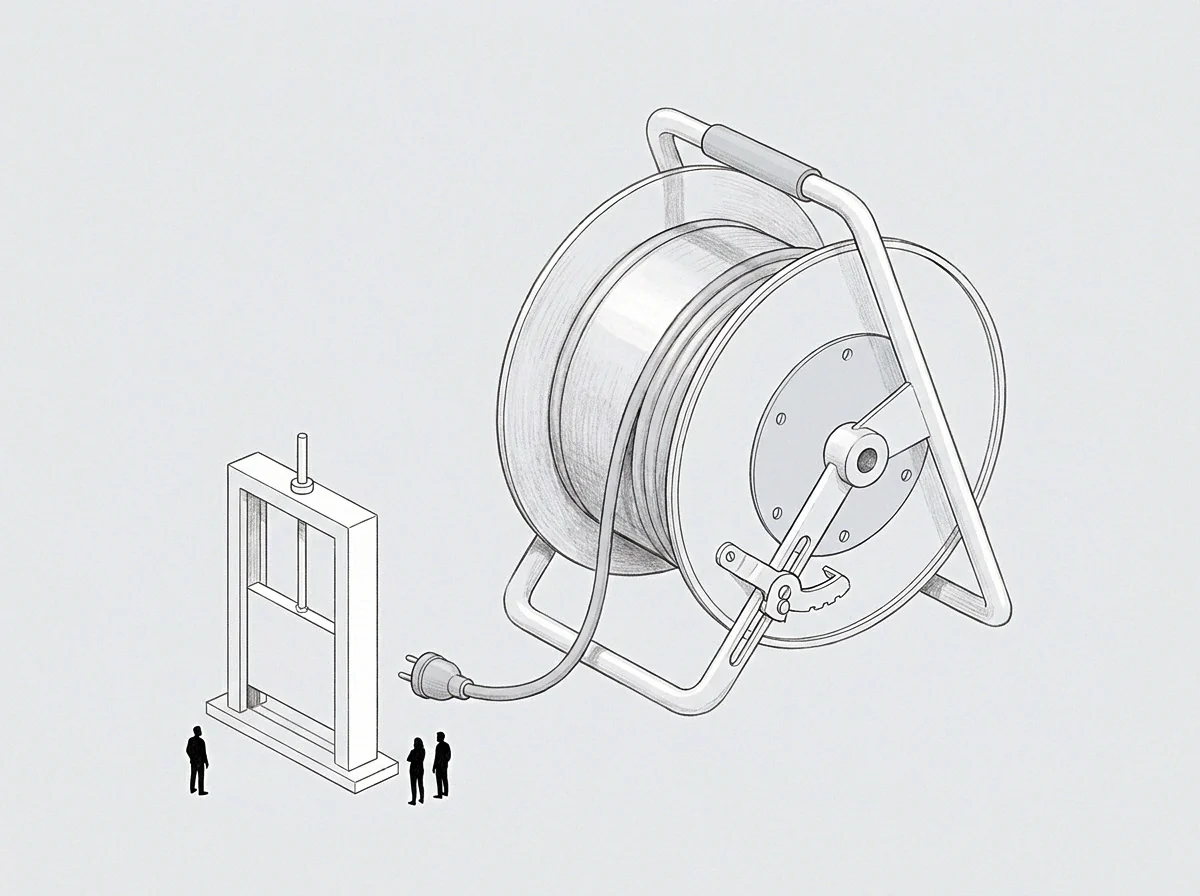
Coordination Thresholds and System Boundaries
As secondary wrappers proliferate around a legacy core, organizational coordination costs scale exponentially. Engineering managers assign dedicated personnel to maintain data sync jobs, monitor lag across queue workers, and resolve write conflicts between primary and secondary databases. The total energy expended to sustain the peripheral ecosystem eventually surpasses the total effort originally required to refactor the core system.
The upstream service contracts cannot be modified without risking quarterly availability metrics across six dependent revenue systems.

Friction
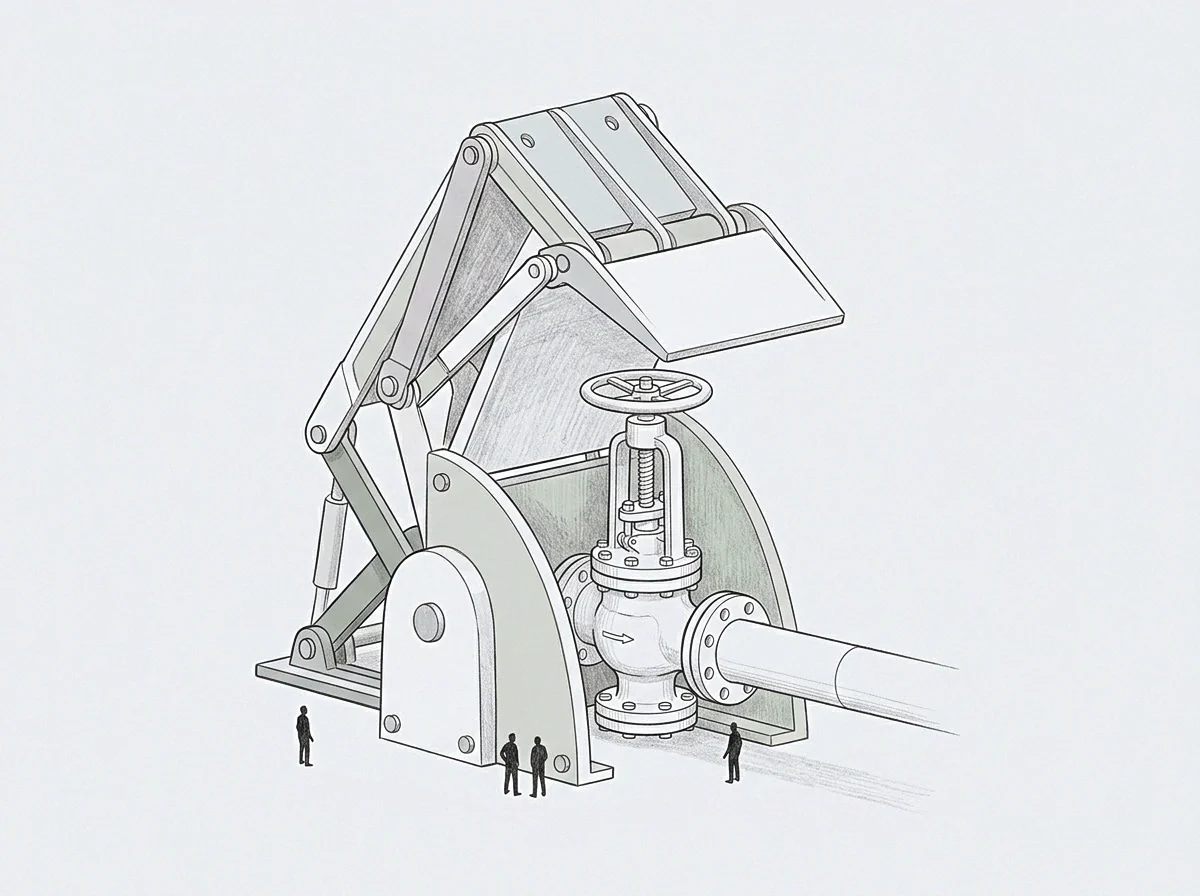
System deflection creates operational coordination friction across team boundaries. When an operational team cannot modify an upstream core service, they establish translation layers at the edge. The path of least resistance initially saves alignment meetings, but introduces runtime latency, serialization overhead, and cognitive friction for on-call engineers diagnosing systemic outages.
Quantifying Resistance Along Expansion Paths
System operators track structural avoidance by monitoring the growth of secondary data transformation routines and manual reconciliation flows across storage tiers.
- Identify every integration wrapper created to bypass central schema modifications.
- Audit operational logs for manual reconciliation workflows across secondary data stores.
- Calculate the cumulative developer hours spent resolving state inconsistencies between stores.
- Schedule targeted schema migrations to absorb peripheral wrapper functions into the core data model.
A system that continually expands around a central structural constraint eventually expends more energy on coordination than on domain computation.
The operational friction created by a wrapper service consistently scales faster than the throughput of the underlying core database.
Siphon
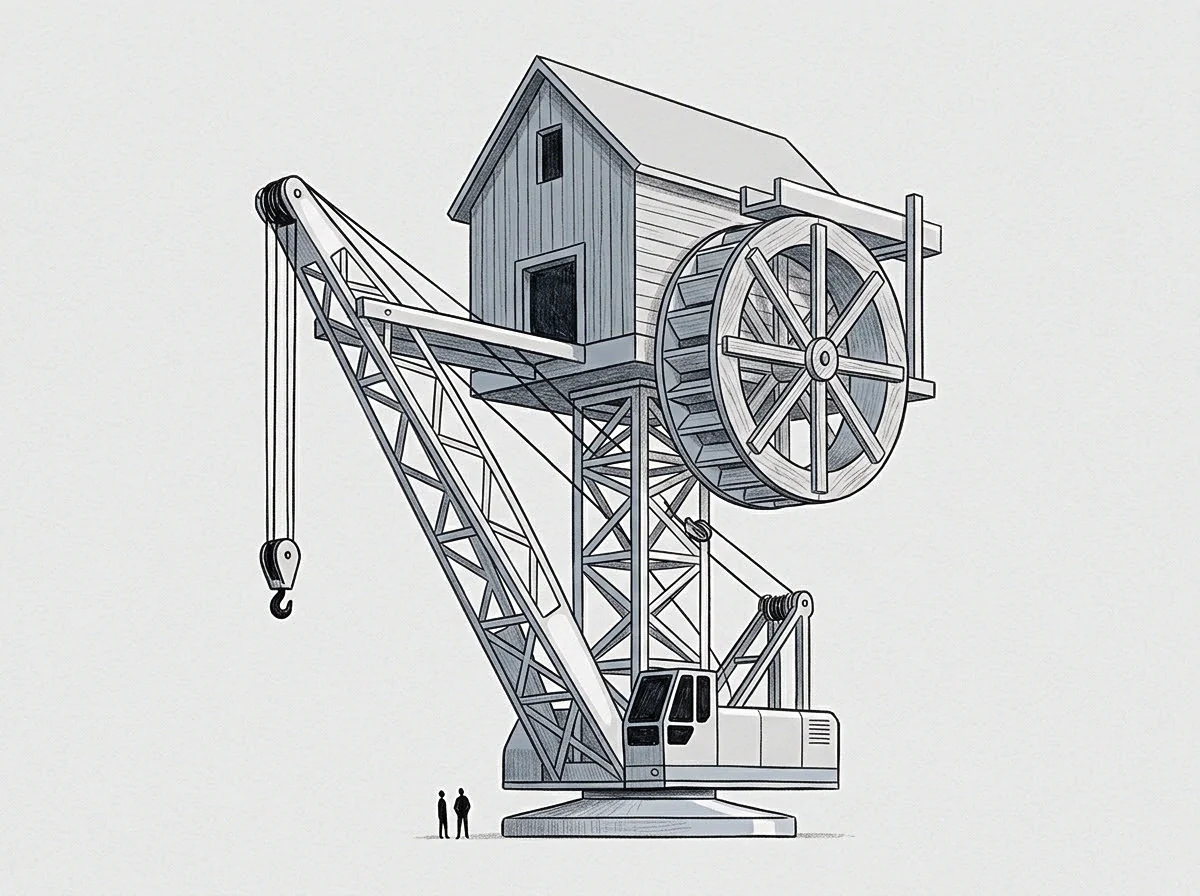
Peripheral avoidance structures siphon capacity away from primary engineering output. The unspent volume behind a structural wall represents latent potential that cannot be accessed while services route around the constraint. Capital and engineering hours flow into building secondary validation pipelines, duplicate caching nodes, and multi-region synchronization scripts.

Unspent Potential Behind Avoidance Boundaries
Research in software developer cognitive load demonstrates that context-switching across non-unified codebases increases error rates during production deployments. This finding relies on empirical metrics gathered from controlled task-switching laboratory environments. In high-familiarity domain settings where senior staff maintain long-standing mental models of service quirks, cognitive switching penalties present lower immediate failure rates, though baseline code comprehension velocity declines steadily.
The precise threshold where wrapper maintenance costs cross the cost of direct database refactoring remains difficult to model accurately across non-stationary engineering organizations. Under this uncertainty, engineering leaders evaluate the total hours spent on secondary data drift reconciliation during each sprint retro.
In hardware architecture, compiler design teams frequently route instruction execution around high-latency memory cache misses by introducing speculative branch logic. Software engineering teams replicate this dynamic when building peripheral message queues to bypass slow database transaction locks.
Engineering capacity drops silently as team hours shift from core product building toward maintaining secondary data sync pipelines.
As secondary siphons draw resources, core application upgrades stall completely. The organization maintains the appearance of progress by shipping features built entirely inside peripheral layers, while the foundation grows increasingly fragile.
Whether an organization can recognize structural avoidance before peripheral synchronization code exceeds the volume of the core codebase remains an open question.
Ascent
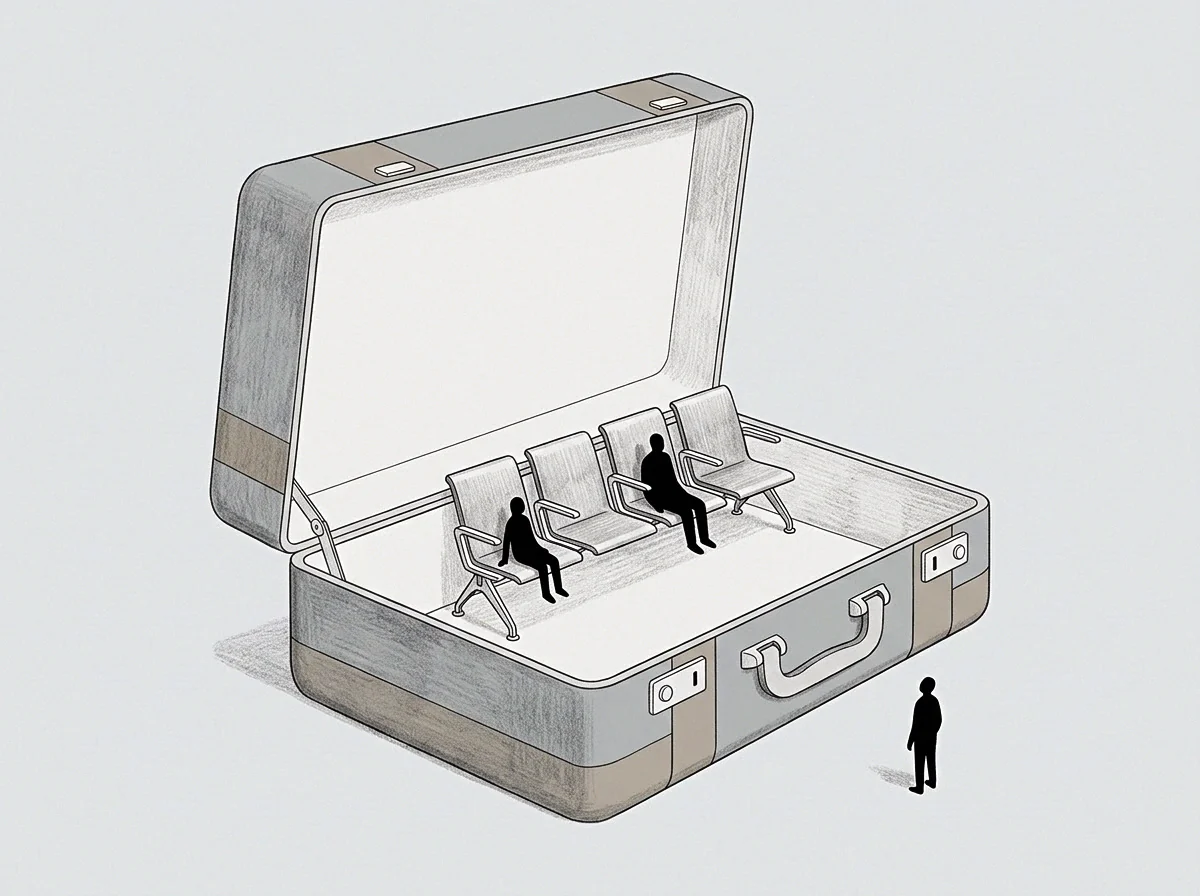
Reversing structural avoidance requires navigating an ascent gradient directly toward the central technical bottleneck. Teams move past low-resistance local minima by committing capital and capacity to core structural refactoring. Establishing accurate baseline alignment requires measuring the full operational surface area, including every shadow worker, secondary store, and peripheral API wrapper active in production.
Reversing Negative Gradient Trajectories
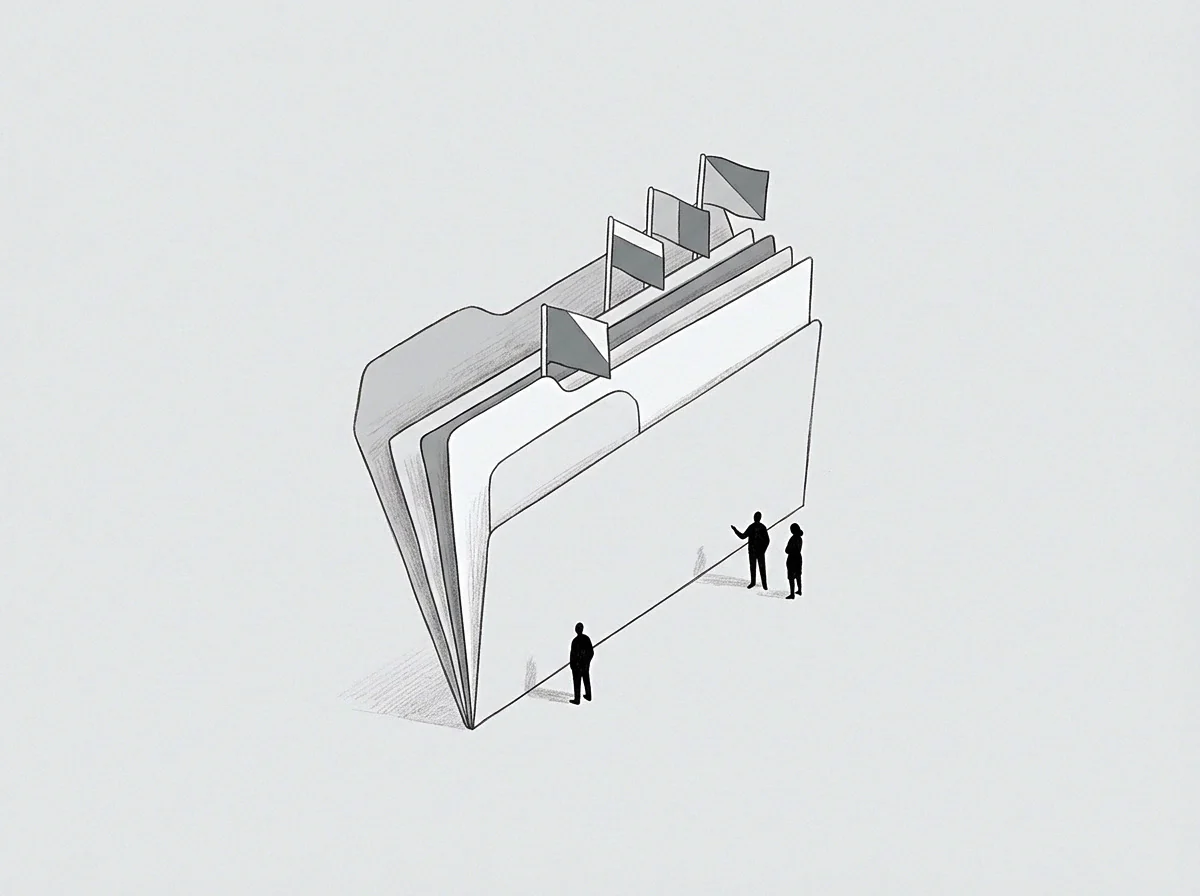
Reclaiming capacity begins when peripheral ingestion workflows are systematically decommissioned and merged back into unified core domain services. Direct schema migrations eliminate asynchronous reconciliation lag and lower runtime infrastructure bills.
System expansion stabilizes when core schema modifications occur in lockstep with domain feature requirements. The baseline shifts upward as engineering effort directly reduces structural friction across every active service boundary.