
Systematic Boundary Wall Expansion Methods Through Directional Latent Potential Inversion Dynamics
Directional potential inversion shifts boundary wall coordinates by converting measured avoidance gradients into active structural expansion vectors.
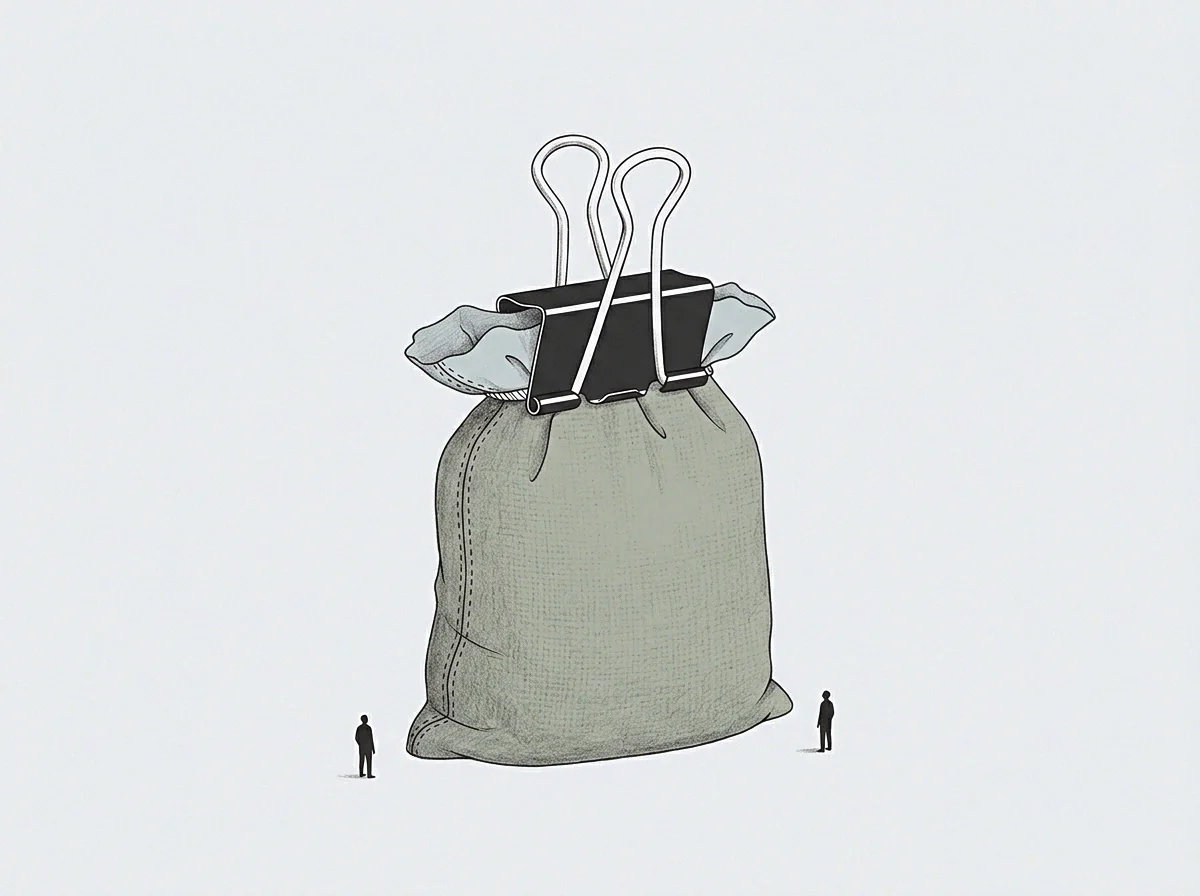
Slope
Twelve months into a software venture running at a persistent monthly deficit, the financial records reflected steady attrition while an unrecorded figure climbed quietly in the background. The founder spent six hours every Sunday drafting operational updates for advisory board members who never responded, while delaying a three-paragraph contract amendment that would reallocate client delivery risk. Capital burned according to schedule, yet the real friction concentrated in the specific tasks the operator deferred.
Systems obey physical principles long before managers formalize them.
A computational reading of organizational behavior treats strategic value as a continuous axis rather than an absolute moral standard. The gradient computed along this value axis measures the directional rate of change across operational activities without assessing personal character. When an operator moves along a specific vector, the system measures the resistance encountered per unit of operational output.
Lower resistance paths draw activity naturally, causing the system to slide down the directional gradient toward existing local minima.

Value Axis Derivation
Mathematical optimization models demonstrate that any system searching a high-dimensional state space moves along the path of steepest continuous reduction in short-term energy expenditure. In organizational dynamics, this path manifests as routine maintenance, familiar administrative tasks, and repeated discussions around settled product features. Climbing against the gradient demands an immediate expenditure of cognitive capacity, forcing the operator to absorb structural friction before any operational yield occurs.
A model routes computation away from steep baseline ascents whenever immediate execution capacity drops below the threshold price.
The baseline represents the current steady-state operational output of the firm under existing routines. When an operator attempts to expand a baseline model, the short-term cost rises steeply along the ascent gradient. Avoiding that ascent keeps the organization operating within its established model perimeter.
The direction of maximum avoidance indicates where the gradient climbs most steeply away from current baseline operations.
Systematic measurement of these deflection vectors reveals the internal geometry of the operational model. When energy consistently routes around a specific operational task, the magnitude of that detour quantifies the exact structural cost of direct execution. Ignoring the calculated gradient forces the system into unmapped operational terrain, where computational expenditure scales exponentially without expanding the baseline model.

Room
Inside the physical workspace of an early-stage firm, unprocessed operational material accumulates in visible patterns long before financial performance deteriorates. Unopened legal disclosures sit beside half-finished technical specifications on the desk, while board decks receive multi-day formatting revisions. A system routes execution capacity toward tasks with predictable feedback intervals, leaving high-uncertainty tasks parked indefinitely without an assigned completion window.
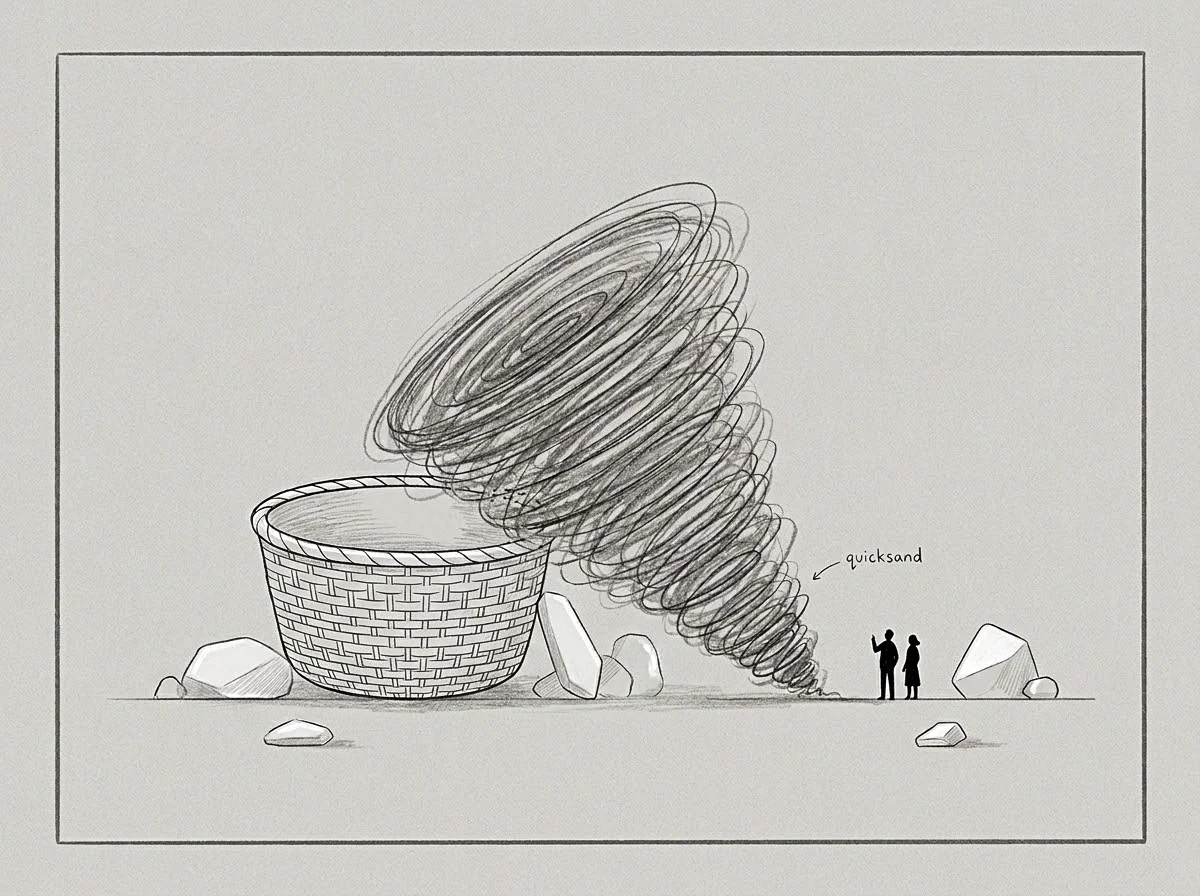
Avoidance as Coordinate Vector
Spatial tracking of deferred work isolates the precise structural limits of the business model. Where an operator hesitates, the system encounters an internal operational boundary made of tasks the firm currently lacks the capacity or structural architecture to execute cleanly. Observing where daily focus breaks down supplies exact geographical coordinates for the model’s edge.
- Latent Friction Marker: Systemic execution delays concentrate around structural pricing decisions when internal capacity drops.
- Routing Deviation Vector: Daily operations move toward administrative maintenance tasks because lower computational resistance exists along established routines.
- Capacity Threshold Limit: The operator stops active model testing as cognitive overhead reaches daily setpoint limits.
Every operational boundary consists of specific actions the system actively avoids due to high energy costs. When a partner defers renegotiating equity distribution terms for three years, that continuous deferral functions as a structural coordinate. The distance between the current operational routine and the deferred conversation measures the computational barrier surrounding that node.
Unstated operational limits convert deferred cognitive computation into cumulative model friction.
The accumulation of deferred tasks creates an unserviced structural liability that degrades overall system agility. As execution repeatedly detours around high-friction nodes, the firm builds elaborate administrative scaffolding to justify the detour. This secondary structure consumes operational volume that would otherwise support expansion into adjacent operational space.
The contract was signed six months ago, yet every attempt to alter the core delivery structure meets complete operational silence.
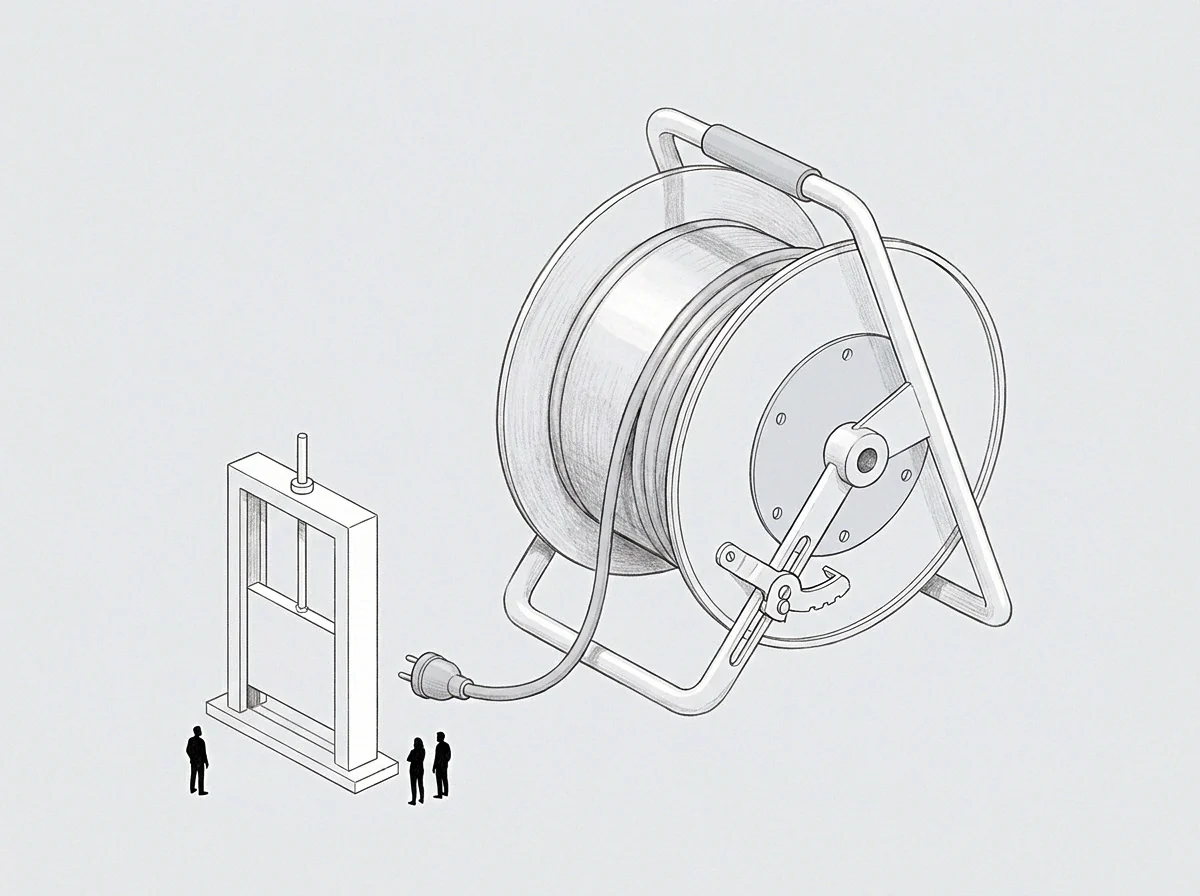
Mirror
Reflecting the negative directional gradient across the steady-state baseline reveals an unspent volume of organizational capacity sitting directly opposite the path of avoidance. What an enterprise actively routes around corresponds precisely to the unspent structural capability it retains in reserve. High negative gradients, once inverted, yield equivalent positive potential vectors capable of driving systematic model growth.
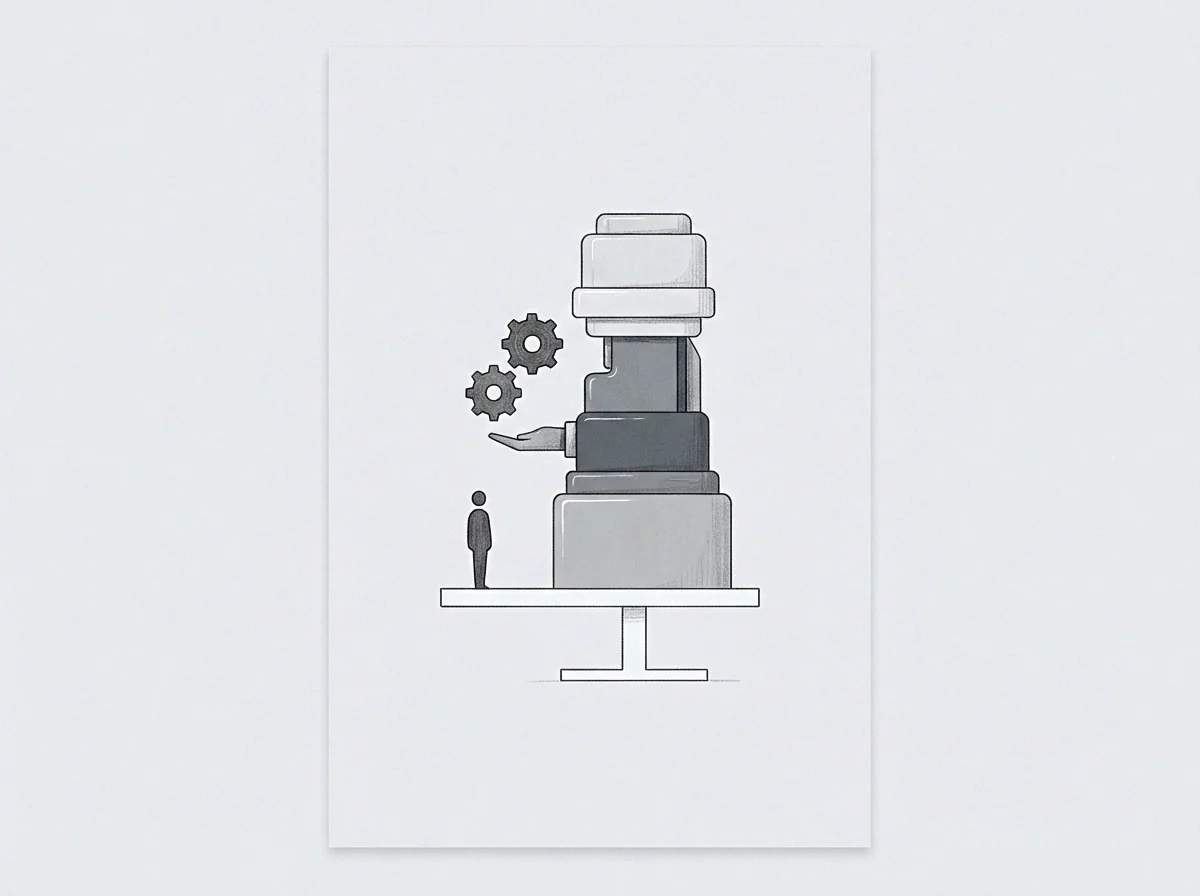
Why Does Discomfort Signal Boundary Computation?
Psychological stress and operational strain occur at the exact interface where current internal models fail to process external inputs automatically. Retain a fixed routine, and cognitive overhead remains minimal because execution relies on cached responses. Push against the structural perimeter, and the brain shifts from low-cost retrieval to high-cost active computation.
The operational wall is the physical boundary of the firm’s current operational capacity. It consists entirely of actions, terms, and structural changes the founder will not perform because the immediate energy expenditure appears prohibitive. Transforming this boundary requires using the measured avoidance vector as an active directional probe rather than a signal to retreat.
The magnitude of structural hesitation measures the exact volume of unspent capability resting behind the boundary.
Inversion dynamics take the precise geometry of system avoidance and map it as a target expansion corridor. Where the organization displays maximum structural resistance, the latent potential volume reaches its peak magnitude. By systematically directing operational focus into these high-resistance zones, the enterprise forces its internal model to construct new computational pathways, effectively shifting the boundary wall outward.
Whether structural friction reflects true capacity constraints or defensive routine remains an open empirical question during initial boundary contact.

Volume
Take two founders who operated a B2B services firm for three years without formalizing their individual equity vesting conditions or performance thresholds. The firm achieved steady annual revenue of two million dollars, yet operational scale plateaued completely. Cardinal financial accounting showed stable profit margins, but ordinal cognitive vectors revealed severe system degradation.
Daily leadership focus systematically routed around equity formalization, client pricing restructuring, and technical debt remediation.
Evaluating this arrangement through directional potential inversion dynamics demonstrates how systematic avoidance limits organizational growth. While market price remains a single cardinal metric, operational friction acts as an ordinal vector that determines actual computational throughput. The time lost detour-routing around unresolved founder equity split discussions consumed forty percent of weekly executive attention, capping the firm’s total structural throughput.

Worked Operational Model
Assume the lead operator spends fifteen hours per week managing manual client onboarding to avoid establishing clear contractual boundaries around project scope. The cardinal price of manual onboarding appears low on a monthly expense report. The ordinal cost vector, however, reflects massive structural displacement.
The time absorbed by manual scope management prevents the operator from building automated delivery pipelines, bounding the enterprise model within its historical limits.
| Expansion Approach | Primary Energy Axis | Boundary Coordinate Vector | Structural Capacity Outcome |
|---|---|---|---|
| Passive Avoidance Routing | Least Resistance Path | Deflected Baseline Tangent | Static Boundary Constraint |
| Directional Potential Inversion | Inverted Latent Gradient | Direct Wall Intersection | Expanded Model Perimeter |
Applying structural potential inversion requires taking the manual onboarding avoidance vector and using it to define the precise boundary expansion coordinates. By forcing direct interaction with scope boundary terms, the firm converts continuous administrative drift into a single, high-intensity model recalculation. Once the new scope framework stabilizes, the daily capacity previously consumed by manual intervention returns to the central operational reservoir.
Two years of continuous routing around a single pricing conversation leaves the structural model rigid at that exact point of contact.
Boundary wall expansion occurs through calculated, incremental contact with points of maximum operational friction. Instead of attempting total organizational transformation, the operator isolates a single high-gradient avoidance coordinate and applies sustained computational focus until the local model updates. This methodical inversion expands the baseline perimeter without overwhelming the system’s core control loops.
A stated capacity threshold clause reallocates operational overhead to active model expansion whenever daily execution friction drops below two hours.

Span
Constructing a wider operational perimeter requires systematic execution along inverted potential vectors. The process transforms latent unspent volume into active structural throughput by systematically challenging existing boundary wall parameters. Operators achieve sustainable expansion by matching high-friction execution targets with measured internal capacity reserve levels.
Systematic Expansion Sequence
Execution follows a strict mechanical progression that converts identified avoidance markers into expanded operational capabilities.
- Baseline Parameter Mapping: The operator identifies every persistent operational detour by measuring daily execution time against projected task output.
- Vector Inversion Projection: The system mirrors the calculated avoidance path directly above the current baseline to establish true latent capacity.
- Boundary Contact Testing: Execution shifts toward high friction coordinates through incremental structural experiments.
Sustained directional inversion expands the enterprise model by forcing internal control loops to adapt to higher friction environments. As high-gradient tasks transition from deferred items to active execution workflows, overall operational resistance decreases across adjacent functional zones. The enterprise develops structural resilience by routinely operating at its model boundary.
The boundary expands to match the newly mapped vector space, establishing a stable operational baseline across the inverted domain.