
Structural Capital Drag and Asset Utilization Decay across Multi-Tiered Enterprise Scale Boundaries
Structural capital decays across multi-tiered boundaries when administrative access friction exceeds the market cost of external operational workarounds.
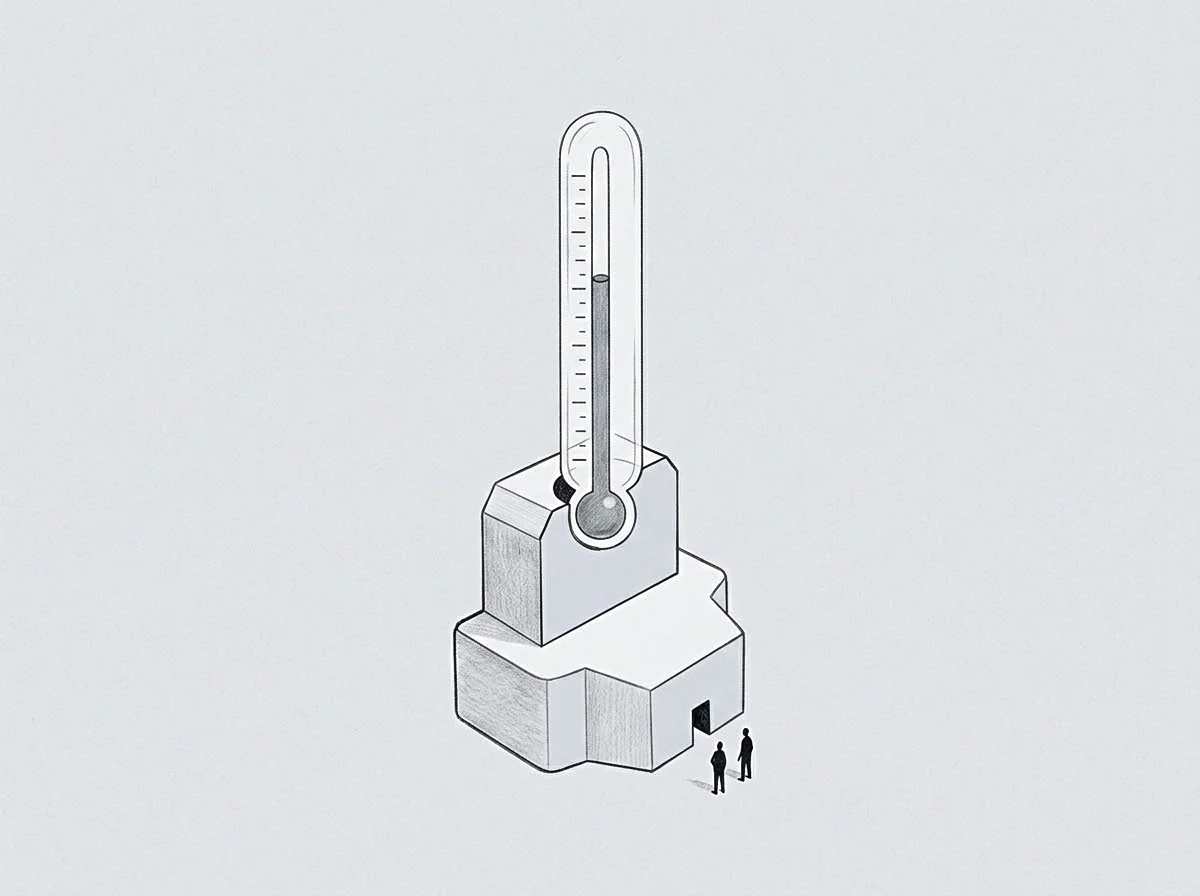
Joint
A plant manager watched forty CNC milling stations sit dark through the second shift while two engineering directors sat on the third floor writing requisitions for outside machining. The purchase orders totaled three hundred thousand dollars. Five hundred feet of concrete and two administrative divisions separated the idle spindles from the project teams.
The enterprise recorded the machinery as active structural capital on the division ledger, yet the production program moved around the asset because logging an internal job required nineteen discrete approvals across four reporting tiers. The machinery stayed cold.
Every operational interface carries a measurable impedance. When physical or computational capital sits behind multiple administrative boundaries, the energy expended to access the asset often exceeds the expense of renting external substitutes. The asset utilization rate drops along a steep slope.
The organisation interprets the low run-time as a lack of demand, cutting maintenance allocations on the equipment. That reduction in upkeep lowers reliability, pushing project leads further into external procurement channels. Avoidance acts as a coordinate marker.
The system routes around internal friction, leaving the fixed installation to decay in plain sight.
Equipment placed behind administrative choke points collects dust while divisional balance sheets pay for outside execution.
The distance between the capital deployment and the production surface creates an unmeasured operational loss. When a company purchases heavy equipment, server infrastructure, or centralized tooling, the investment model presumes direct linear access for all subordinate units. The actual transfer rate follows an exponential drop for every organizational seam introduced between the custody of the asset and the teams executing direct customer work.
The capital asset turns into an encumbrance, generating depreciation charges without generating matching billable volume.
Capital retains value only when the friction to engage it remains lower than the friction of market transactions.
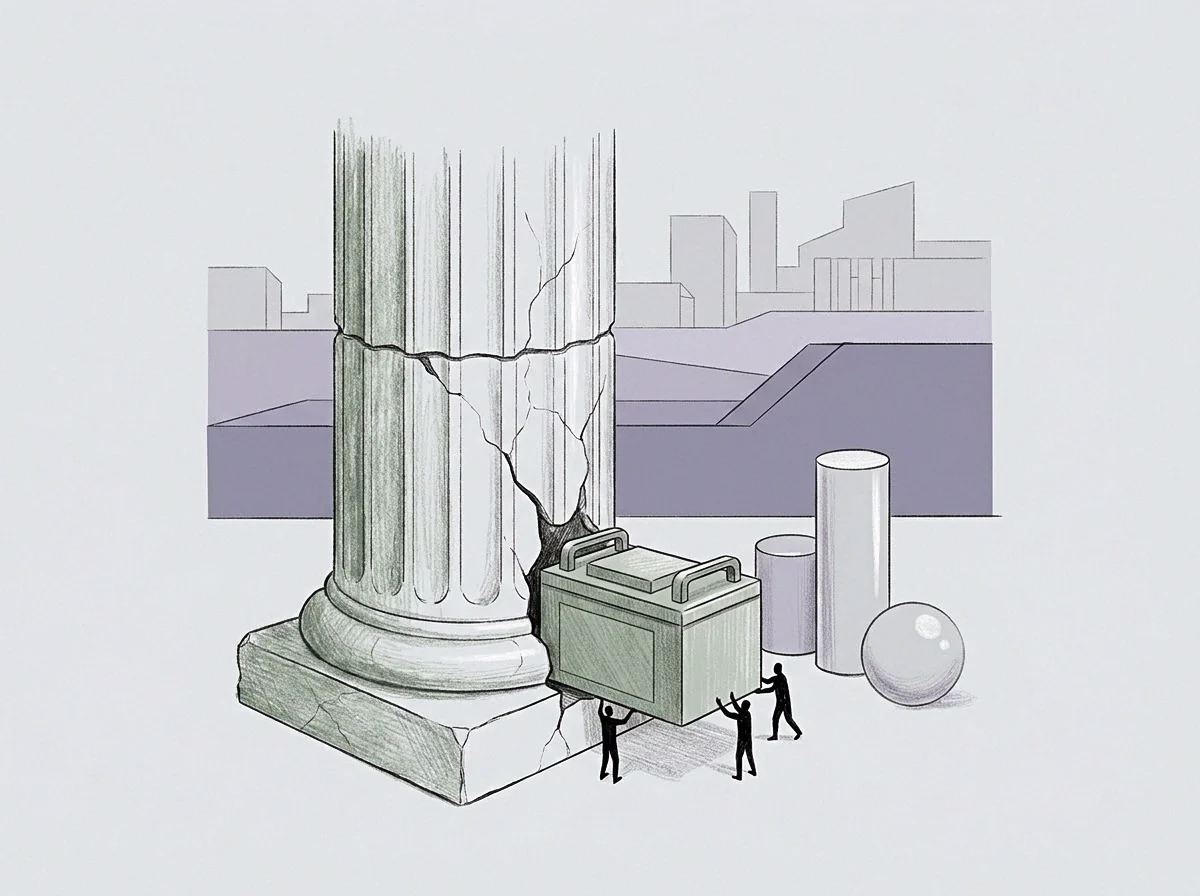
Strata
Enterprise tiers function as thermal insulation around operational capital. In small operations, an operator touches an asset directly, observing idle hours and reallocating work across open capacity within minutes. Multi-tiered enterprises insert intermediary layers of management, custody rules, internal transfer pricing mechanisms, and compliance checkpoints.
Each added layer acts as an administrative resistor in series. The primary capital base becomes insulated from the operational reality of the shop floor.
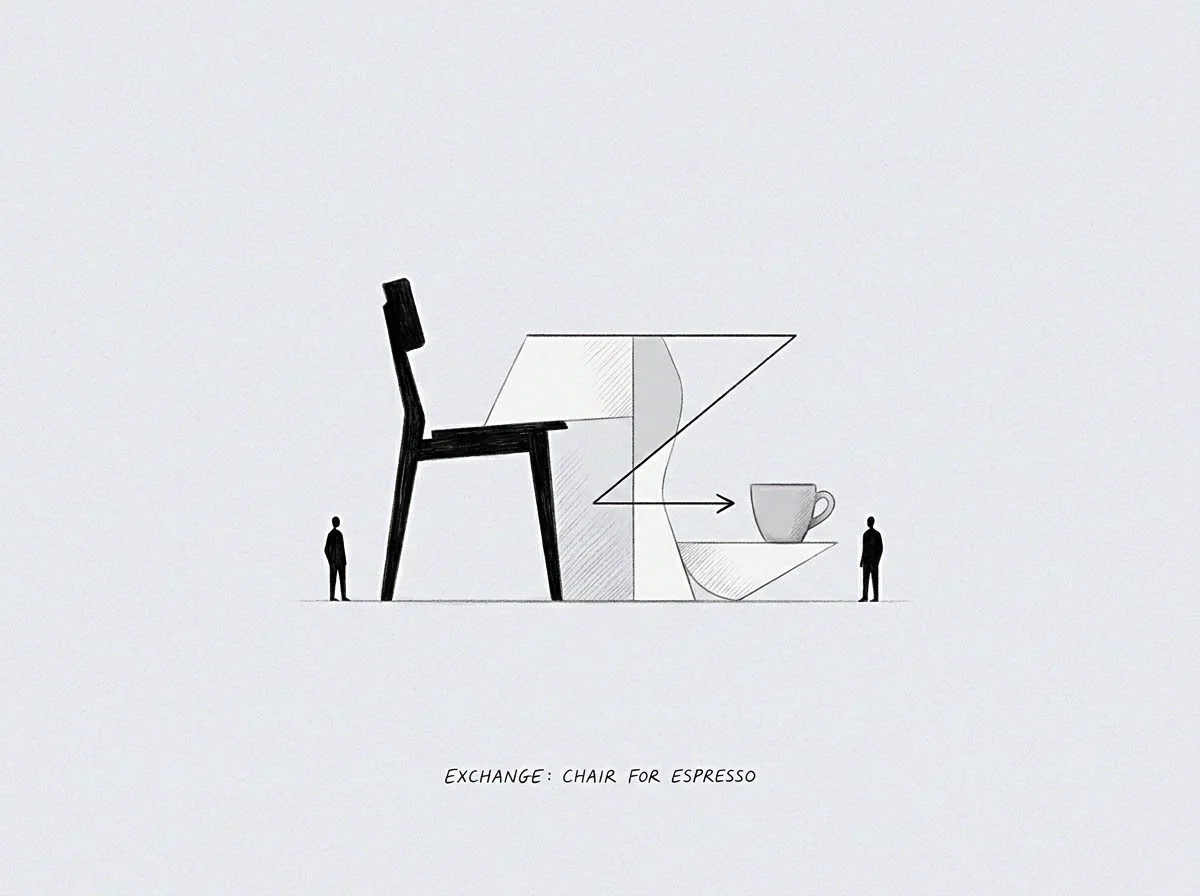
Administrative Layers and Throughput Decay
A capital asset operates inside a multi-tier hierarchy through structured permissions. Each tier extracts administrative overhead in the form of validation documentation, resource scheduling meetings, and liability releases. A project team needing sixty GPU hours to run an inferencing pass encounters an internal queue structured across four managerial strata.
The engineers wait twelve business days for security reviews, departmental charge-back approvals, and scheduling slots. The compute cluster runs at eighteen percent average load while twenty-four engineering squads maintain private cloud subscriptions on corporate credit cards.
Corporate procurement teams inspect these expense reports and see rogue expenditures. They fail to track the underlying operational decay: three million dollars in high-performance computing hardware sits underutilized because the procedural cost to access the hardware exceeds the price of off-balance-sheet alternatives. The capital remains locked behind strata designed to protect it.
| Organizational Depth | Access Request Latency | Mean Capital Idle Rate | Procurement Defection Ratio | Effective Drag Coefficient |
|---|---|---|---|---|
| Single Tier Direct | 0.5 Days | 14 Percent | 0.02 | 1.00 Baseline |
| Two Tier Shared Service | 3.0 Days | 31 Percent | 0.11 | 1.45 Friction |
| Three Tier Divisional Matrix | 9.5 Days | 54 Percent | 0.38 | 2.80 Drag |
| Four Tier Conglomerate Layer | 22.0 Days | 76 Percent | 0.67 | 5.10 Inertia |
The table measures what occurs when administrative strata multiply. Access latency lengthens by a factor of forty-four as an enterprise moves from direct custody to a four-tier matrix. Capital idle rates expand from fourteen percent to seventy-six percent under identical workloads.
As access latency grows, project leads defect to external market options to meet delivery milestones. The internal structural capital asset turns into a stranded reserve.
Internal allocations stay within budgeted parameters so capital efficiency metrics remain technically satisfied on paper.
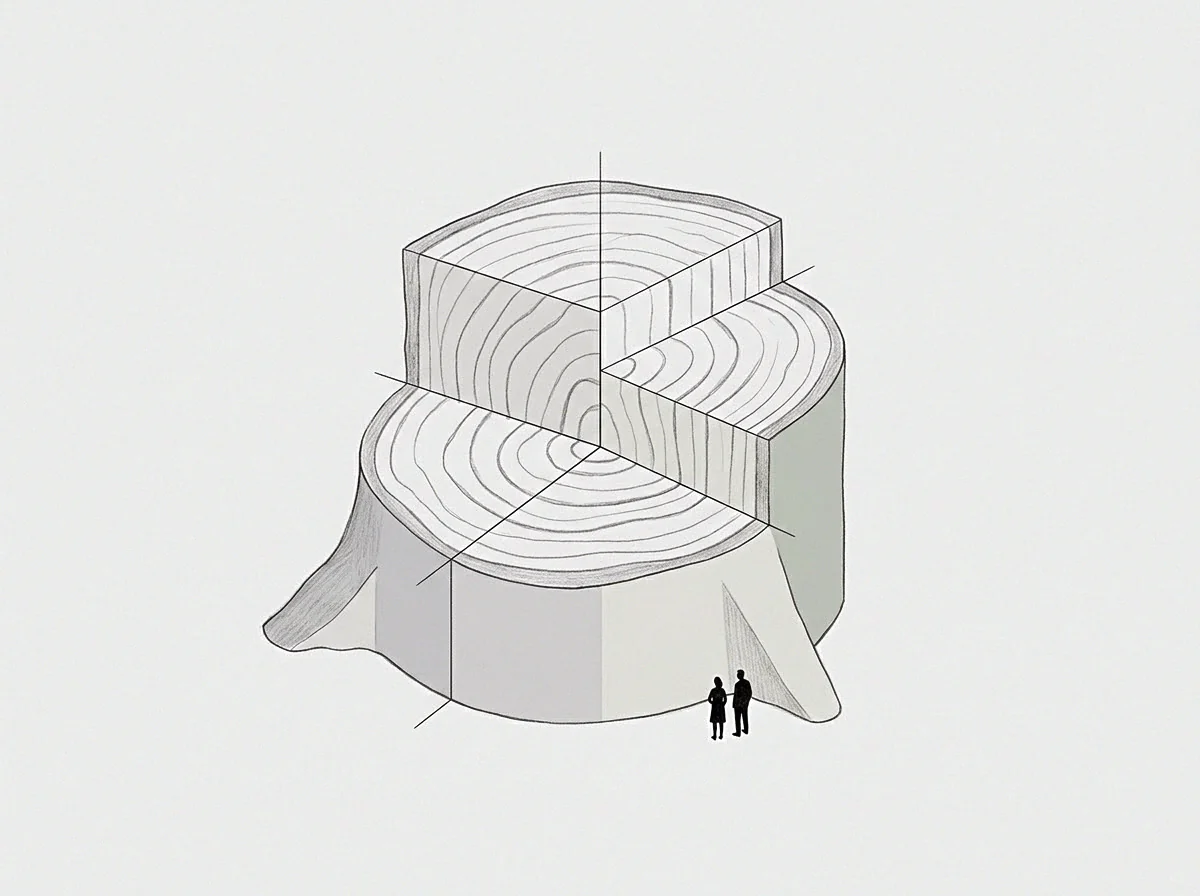
Impedance
Capital assets decay because operational resistance diverts productive energy elsewhere. In electrical circuits, current follows the path of least resistance; in multi-tiered enterprises, labor follows identical dynamics. When the effort of requisitioning internal structural capital exceeds the effort of manual workarounds, operating teams pick the workaround.
The system settles into a local minimum of operational performance.
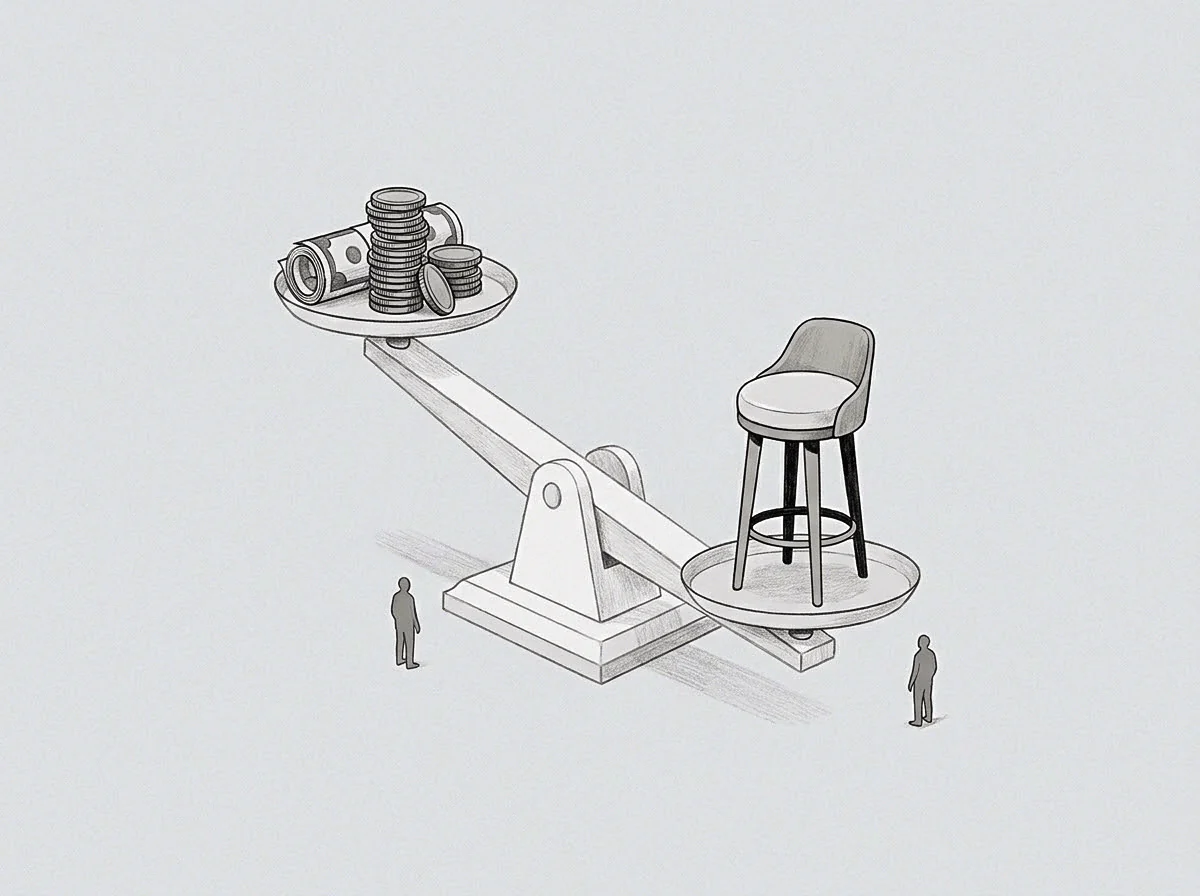
Does Stored Capacity Degrade Under Tiered Coordination?
Physical machinery and proprietary computational models undergo acute asset utilization decay when coordination protocols introduce friction between operating divisions. The asset sits ready for work, yet the organizational apparatus imposes transactional barriers. These barriers take discrete forms across the enterprise landscape:
- Transfer pricing schedules establish internal invoice rates higher than open market vendor pricing, discouraging divisional adoption.
- Arbitration backlogs consume administrative weeks resolving which profit center retains balance sheet depreciation liabilities.
- Security boundary policies restrict data ingress between parallel divisions, preventing subsidiary teams from utilizing shared enterprise models.
- Scheduling reservation locks hold asset blocks for speculative production runs that cancel without penalty, leaving equipment dark.
These coordination failures do not represent employee negligence. They represent rational adaptations to institutional impedance. An engineer facing an impending delivery deadline computes the friction gradient.
The engineer identifies that writing an internal requisition involves five follow-up meetings, two vendor compliance forms, and a cross-departmental reconciliation memo. The descent toward an unapproved external SaaS solution represents the path of least resistance. The internal asset remains dormant.
An asset separated from operators by three approval desks carries the functional utility of an asset that does not exist.
The drag compounds across physical infrastructure. Consider an advanced industrial testing laboratory funded at twelve million dollars. The laboratory requires dedicated maintenance technicians, controlled climate environments, and ongoing calibration certifications.
When cross-divisional utilization drops due to administrative gatekeeping, the cost per machine hour spikes on internal ledgers. That rate increase drives remaining internal users away, creating an asset death spiral. The enterprise owns world-class structural capital that no division can afford to schedule.
Continuing to route work through broken bureaucratic joints causes production teams to abandon the internal asset base entirely, stranding capitalized investments while operational expenses inflate on shadow workarounds.
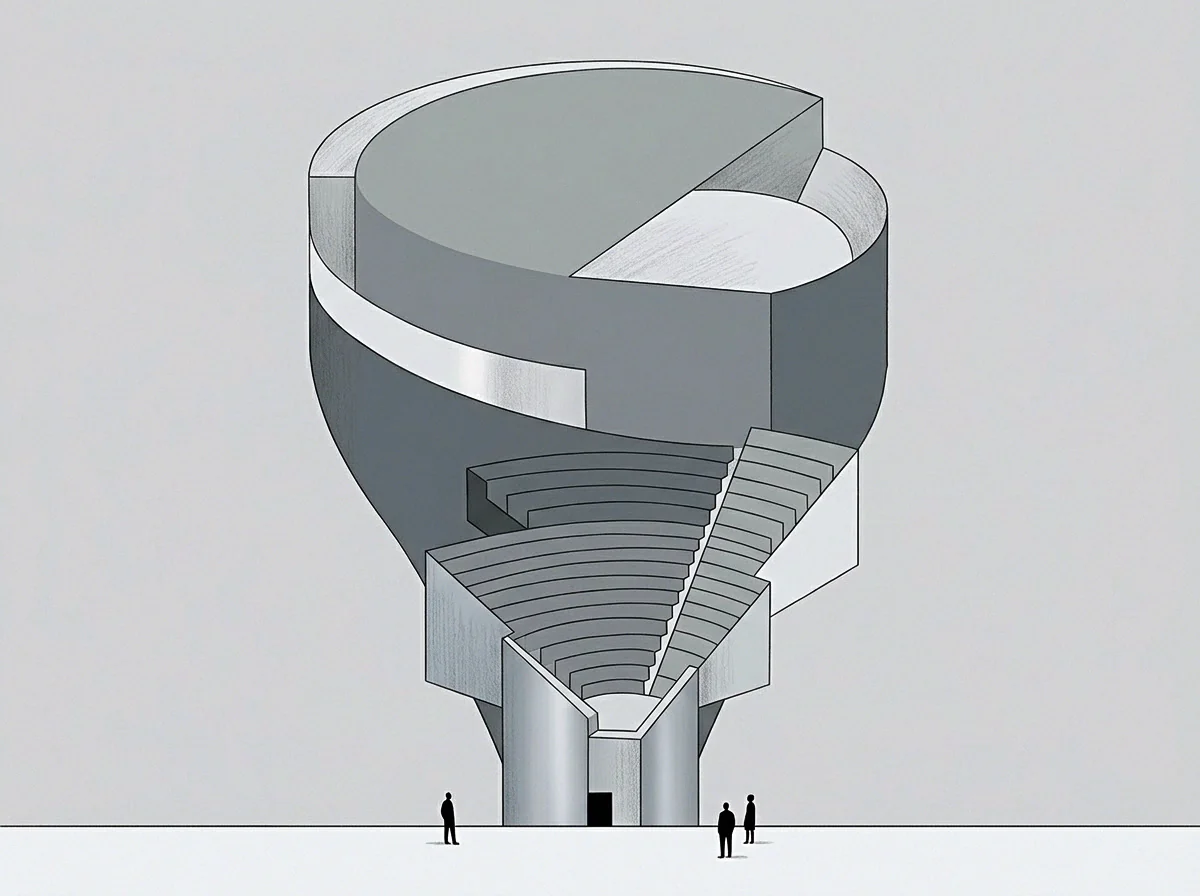
Leakage
Asset decay spreads along informal bypass channels constructed by operating units. To map this leakage, consider a manufacturing firm operating two industrial units across four operating quarters. The company deployed an enterprise-wide automated logistics and fabrication cell valued at eight million dollars, designed to serve both divisions from a centralized facility.
Division Alpha handles prototype fabrication; Division Beta runs repetitive assemblies. Management assumed an eighty percent combined utilization rate across eight operating quarters.
Assume Division Alpha encounters a six-day scheduling queue imposed by the central allocation desk. The prototype team cannot wait six days for a twenty-minute cut. The prototype team purchases a three-axis table mill on an unmonitored supplies budget, disguising the expense as replacement parts.
The team operates the smaller mill in an unventilated maintenance shed. Division Beta observes the delays, calculates the risk to delivery windows, and contracts secondary finishing to an outside machine shop thirty miles down the highway. The central fabrication cell drops to twenty-two percent utilization by the second operating quarter.
The company registers structural capital drag in four discrete operational stages:
- Queue formation occurs when centralized governance pools access requests into rigid administrative processing cycles.
- Shadow capitalization begins when project managers acquire fragmented, redundant tooling through discretionary operating budgets to bypass central queues.
- Maintenance starvation emerges as corporate finance reduces upkeep budgets on centralized assets due to depressed ledger utilization figures.
- Terminal stranding occurs when the primary asset falls behind technological maintenance requirements, leaving the enterprise holding non-functional capital while paying ongoing lease commitments.
A secondary consequence unfolds inside the workforce. Personnel working around the stranded capital spend unrecorded hours managing informal workarounds. An operator spends twelve hours per week coordinating with unauthorized local vendors, tracking shadow invoices, and manually reformatting CAD drawings for off-spec secondary machines.
This labor remains completely invisible on internal utilization reports.
When internal access procedures consume more energy than production tasks, labor creates unregulated shadow infrastructure to survive delivery dates.
The enterprise records the asset as a fully amortizing capital investment delivering centralized scale efficiencies. The operational reality reflects high structural drag: duplicated local machinery, inflated operational expenses, administrative friction, and an idle central facility. The system protects its formal administrative boundaries while bleeding productive capability along every informal seam.
Does the enterprise possess the diagnostic tools to differentiate between legitimate capital redundancy and defensive shadow infrastructure built to evade central gatekeepers?
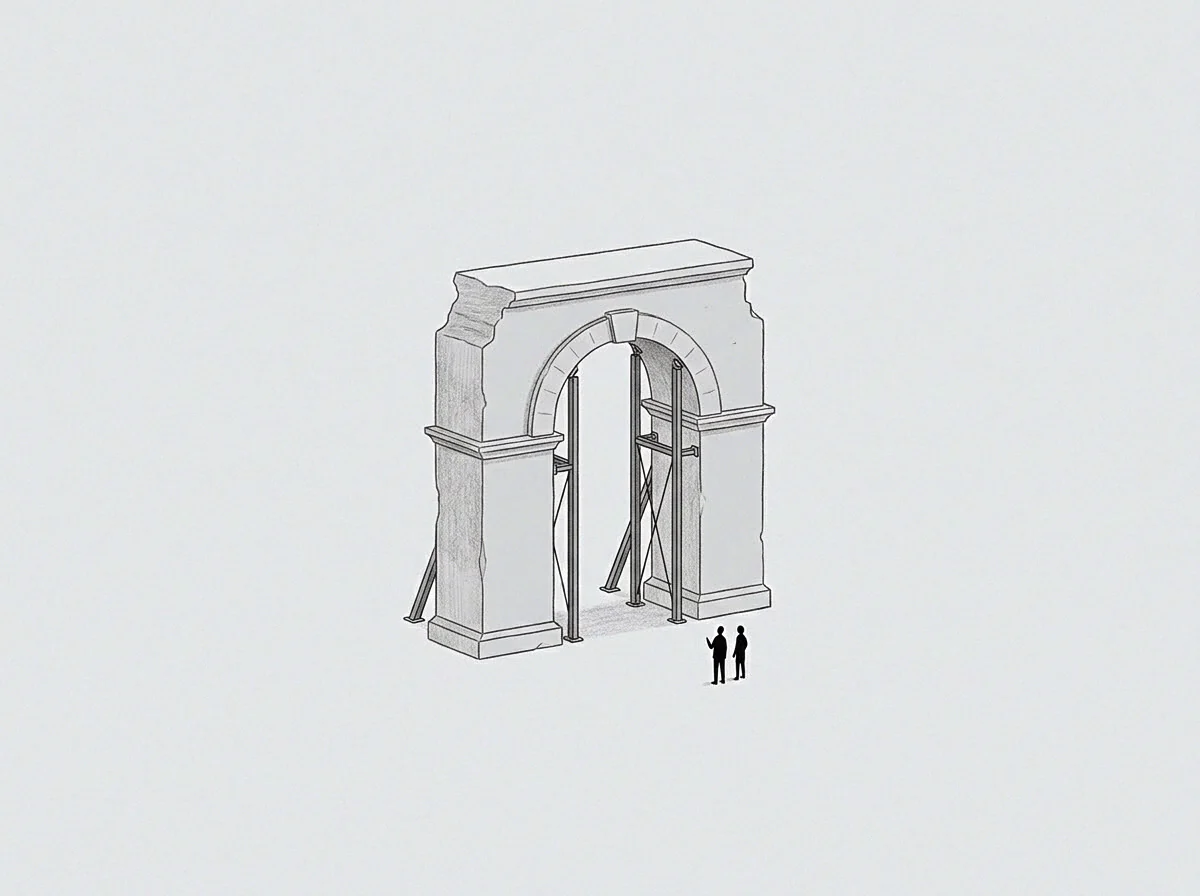
Span
Remediating structural capital drag requires redefining operational interfaces across administrative borders. An enterprise cannot solve utilization decay by mandating compliance or punishing shadow procurement. Coercion increases internal friction, driving bypass activities deeper into administrative opacity.
Management must measure the actual impedance gradient between capital custody and operational execution.
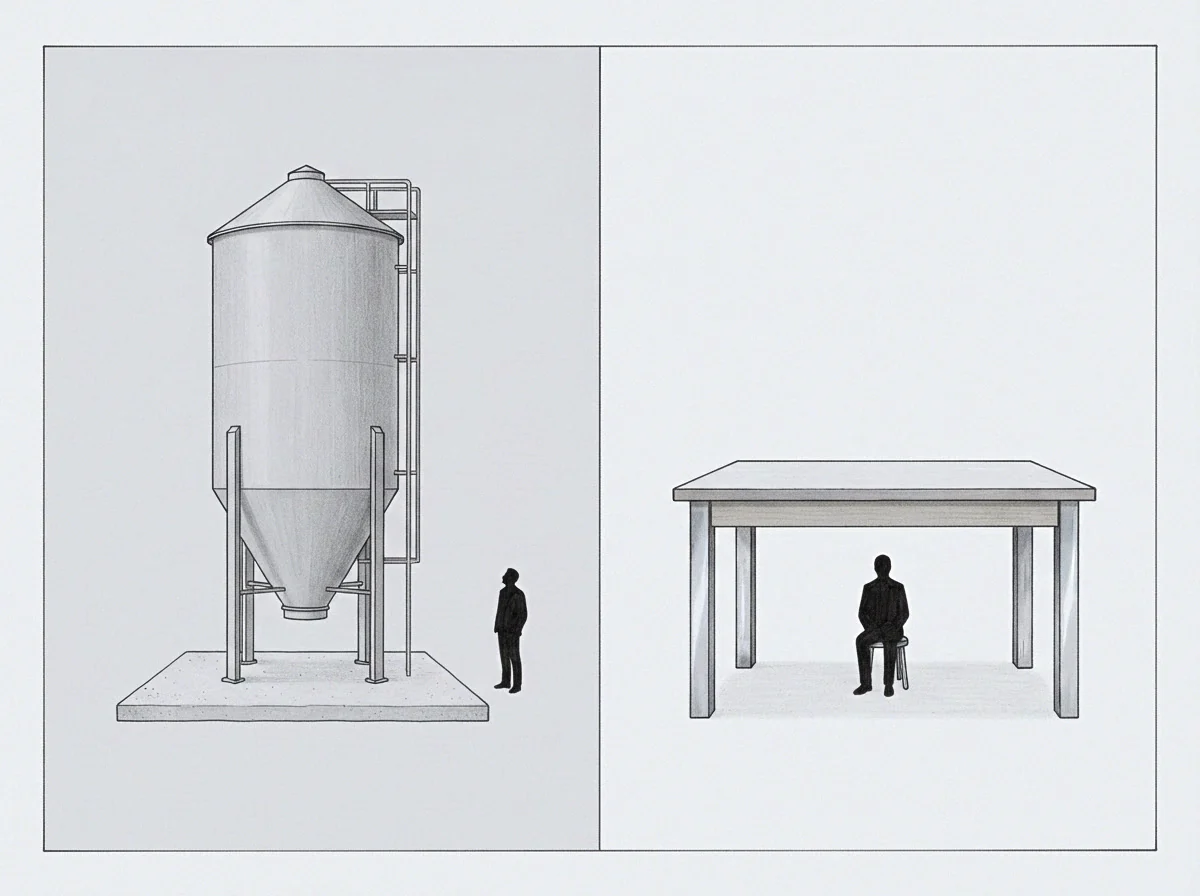
Establishing Direct Coupling Across Strata
An operator eliminates capital drag by collapsing the administrative distance between assets and execution teams. When an enterprise strips away internal transfer pricing schemes, speculative scheduling holds, and intermediary approval chains, asset utilization rates rebound toward mechanical limits. The focus shifts from custodial protection to execution velocity.
The capital asset functions as an open operational common rather than an administratively defended silo.
Removing interface drag demands physical restructuring. Project teams require direct physical or digital access to centralized assets without intermediary broker desks. If a production team must touch an asset, the path must consist of a physical badge swipe or a programmatic API token, eliminating intermediary supervisory sign-offs.
If security requires monitoring, the system implements continuous automated telemetry rather than manual procedural gating. The operational gradient flattens, converting stored capacity into kinetic output.
A production team measures procedural friction by the number of days a ticket sits between request and execution.
The boundary surveyor maps where the enterprise model fails. The wall appears where administrative overhead renders owned assets less productive than spot-market alternatives. When an executive team acknowledges this wall, they stop investing capital into centralized assets that their internal organizational physics cannot support.
They either dismantle the administrative strata separating workers from the equipment, or they liquidate the asset and transition entirely to variable-cost external services. Capital efficiency emerges from operational simplicity, not from centralized administrative containment.
A master service agreement that permits direct, unmediated access to internal capital assets without intermediary divisional approvals restores asset utilization rates to parity with market alternatives.