Meaning
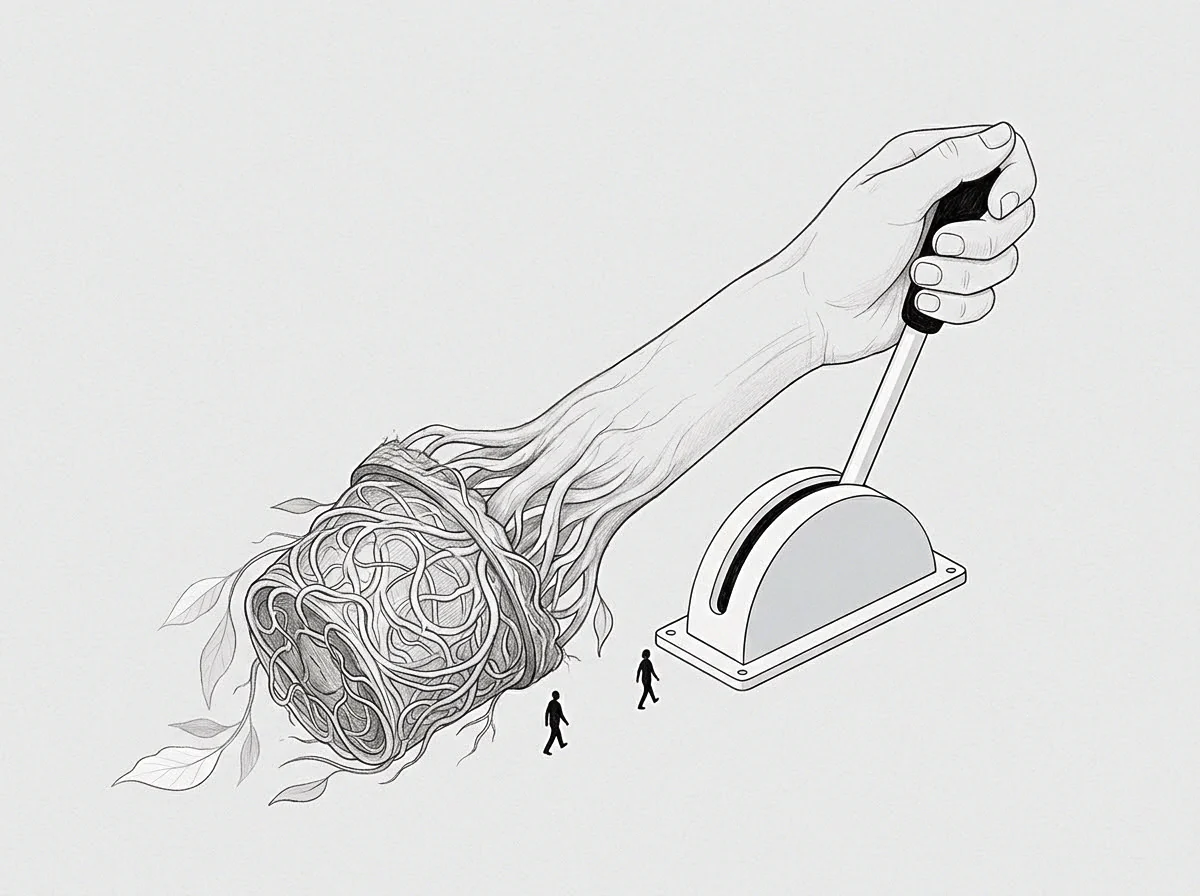
Cognitive redirection defines the reorientation of mental resources toward a new target. When an attention vector shift occurs, the focus once held on a primary objective moves to a secondary one. It happens across both individual and collective levels.
It is only complete when the new task calibration is finished.
Cognitive Transition
Internal movement of energy follows a change in priority. An attention vector shift requires a shedding of current context before new variables are loaded. Internal transitions demand a surplus of cognitive capacity to manage the switch effectively.
Strategic Impact
Strategic priorities change when the underlying data signals a need for adjustment. The attention vector shift acts as a measurement of how quickly a team responds to new information. Slower movements indicate a locked context that prevents adaptation.
Rapid movements suggest a high degree of flexibility.
Energy Cost
Every movement carries a cost in time and focus quality. An attention vector shift results in a temporary drop in output while the brain or organization recalibrates the necessary parameters for the new task. Frequent movements of this nature lead to cognitive depletion and a reduction of the available hours.
Recovery happens only when the new vector stabilizes and the cognitive overhead is minimized. Delays of this nature often mask the true speed of a project.