Meaning
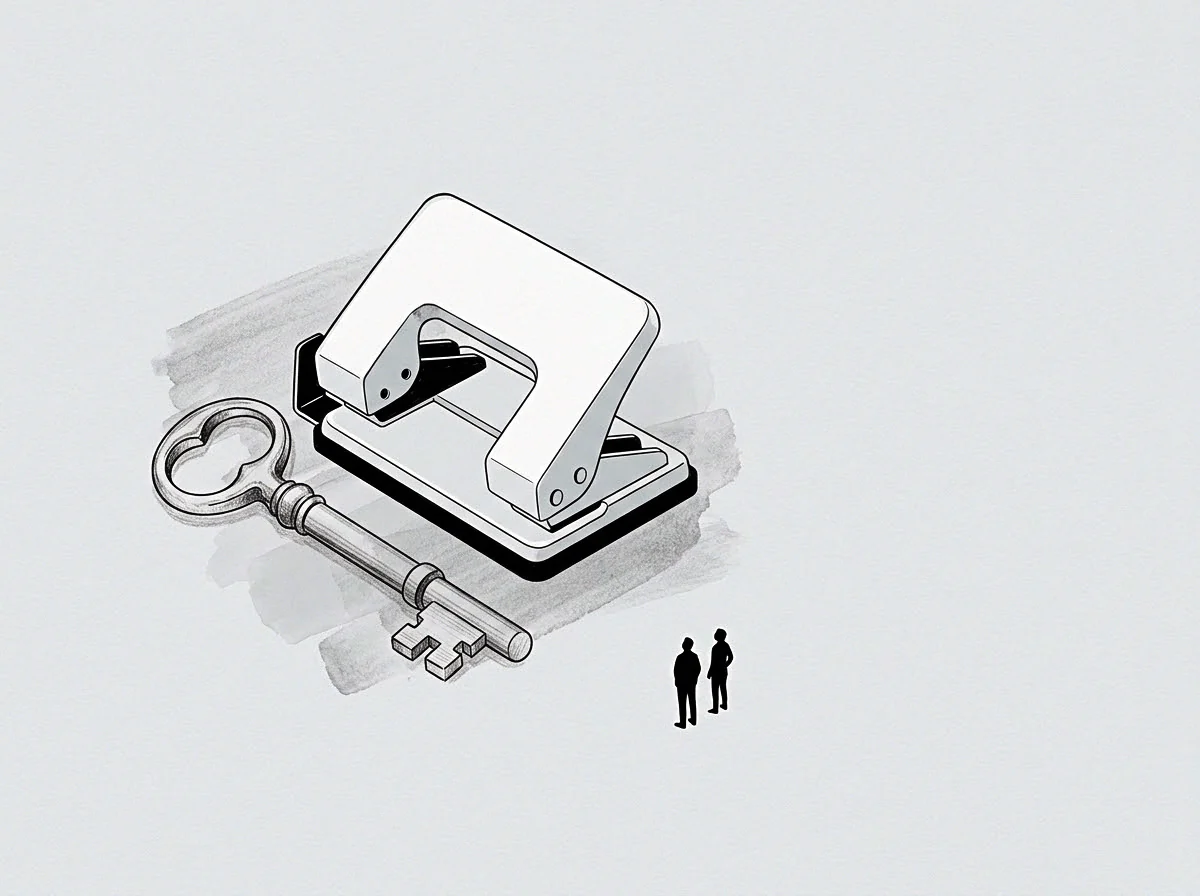
The gradual reduction in cognitive focus allocated to a mature business by its originator defines a measurable shift in executive energy. This attentional decay occurs as the daily operations of the company become routine and the creative demands of the early phase disappear. The originator seeks new complexity while the existing venture enters a stabilization phase, which shifts the baseline of their engagement.
Cognitive Strain
Maintaining intense focus on structured processes consumes significant mental reserves over extended periods. For someone who has moved past the initial growth phase, attentional decay emerges as a natural response to administrative repetition. Continuous attention requires novel challenges to remain sustainable.
Operational Signal
Delays in response times for administrative approvals indicate that the executive’s focus has drifted to external interests. This attentional decay alerts the board that a transition to professional management is necessary to preserve operational velocity. Routine decision-making suffers when the founder’s focus is no longer locked on internal affairs.
Resource Reallocation
Redirecting personal capacity toward external ventures or advisory roles provides the standard resolution to this drift. When attentional decay is acknowledged, the individual can formalize their exit and transfer operational duties to a successor. Clear boundaries prevent the decline in focus from damaging the established firm.