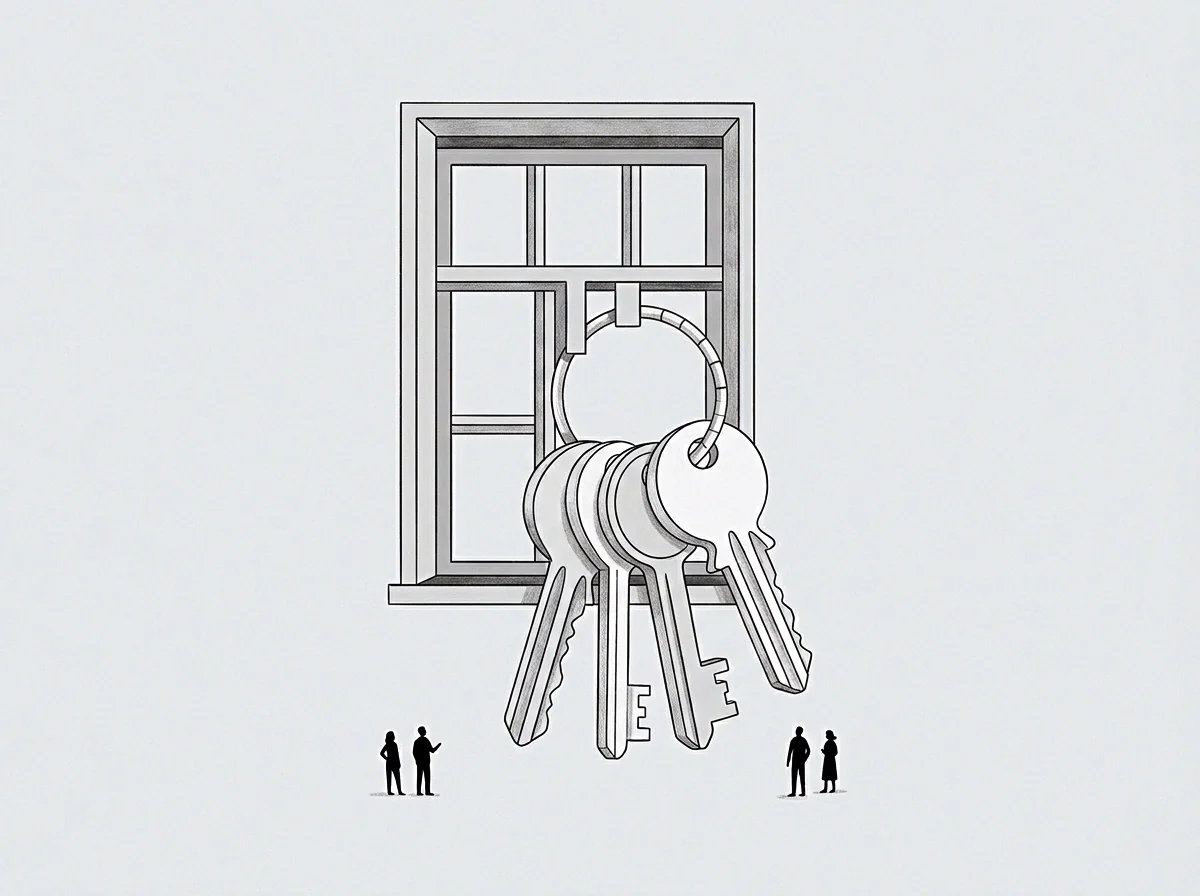
Meaning
Information states that identify the limits of a system describe the conditions under which a process ceases to function or shifts its behavior. A boundary signal marks the edge of an operational envelope where a specific logic applies and provides the necessary data to trigger a transition. Practitioners use these markers to identify when a system requires external intervention or a change in configuration.
Detection Point
Logic gates within a workflow monitor the proximity to these limits. When a boundary signal occurs, the recorded data point indicates that the current state cannot sustain further movement in the same direction without structural failure. This detection happens in real time to prevent the propagation of errors into subsequent stages of the process.
Action Threshold
Actions taken after the identification of a limit must align with the nature of the constraint and the specific requirements of the environment. If the boundary signal originates from a physical or financial ceiling, the system typically shifts into a preservation mode or initiates a rollback procedure to protect existing assets from volatility. This prevents the loss of state and ensures that resources remain available for a recovery attempt while the operator analyzes the cause of the limit breach.
High frequency of these events suggests that the initial parameters of the project were set too low for the actual demand encountered during execution.
Operational Ceiling
Measurement of the distance between the current state and the maximum capacity defines the available safety margin. Because a boundary signal represents a hard limit, the frequency of its appearance indicates how often a process operates near its breaking point.