Meaning
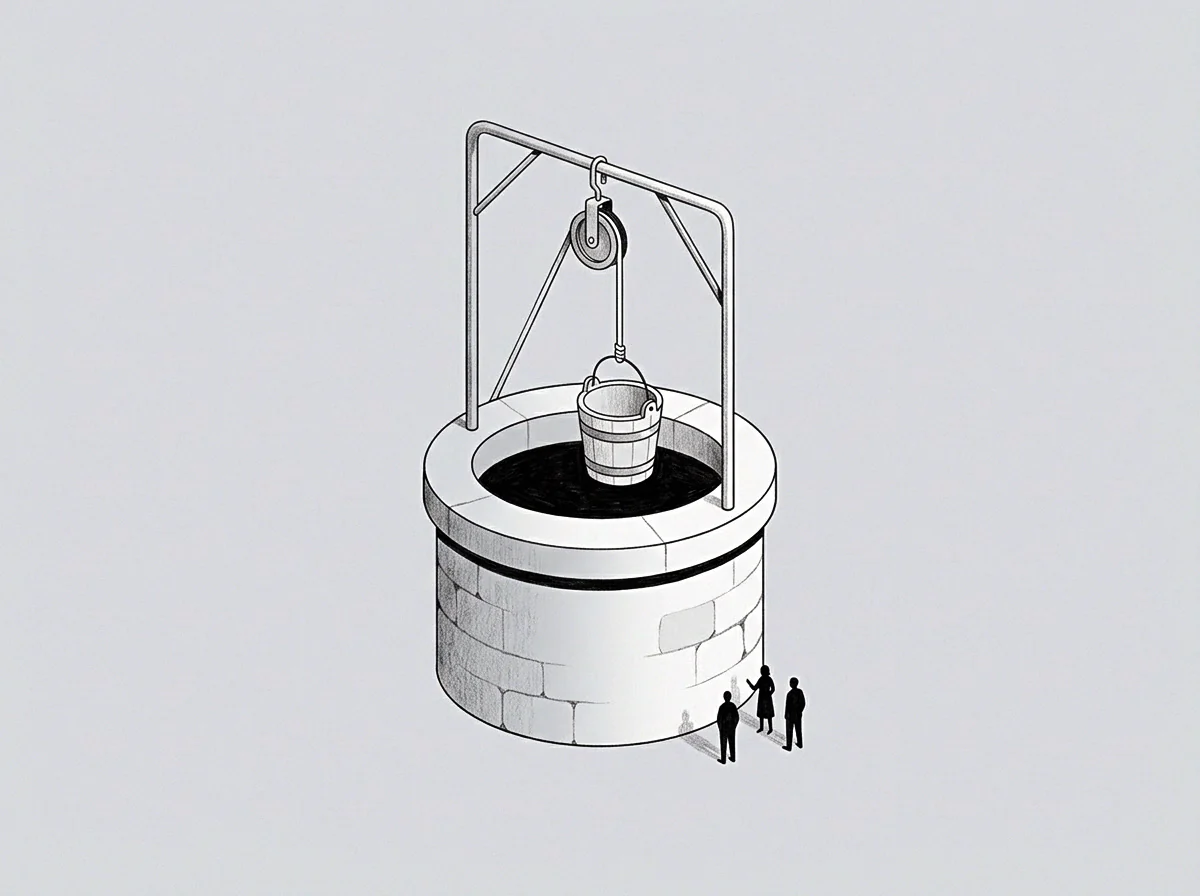
Strategic reserves of time, capital, or capacity are maintained to absorb the impact of unforeseen variances in a project or process. Effective buffer allocation protects a schedule or budget from the volatility inherent in complex systems. It operates on a cardinal scale, typically expressed as a percentage of the total estimated resource.
The boundary of this practice is reached when the reserve becomes large enough to induce waste or hide underlying inefficiency.
Risk Mitigation
Uncertainty in task duration or material delivery necessitates a dedicated margin for error. Without proper buffer allocation, a single delay triggers a cascade of failures across the entire system. Managers use these gaps to decouple dependent steps, ensuring that a late arrival in one area does not halt work in another.
A project that finishes exactly on time often does so by consuming its assigned contingency.
Economic Efficiency
Excessively large reserves tie up resources that could be deployed elsewhere. When buffer allocation is too generous, it creates a psychological cushion that slows down the primary work rate. Finding the optimal size requires analyzing historical variance data from similar efforts.
Feedback Loop
Continuous monitoring of how quickly these reserves are used provides a signal about the health of the operation. Rapid depletion suggests that the original estimates were overly optimistic or that the environment has become more volatile. Successful teams adjust their future planning based on the actual consumption of these resources.