Meaning
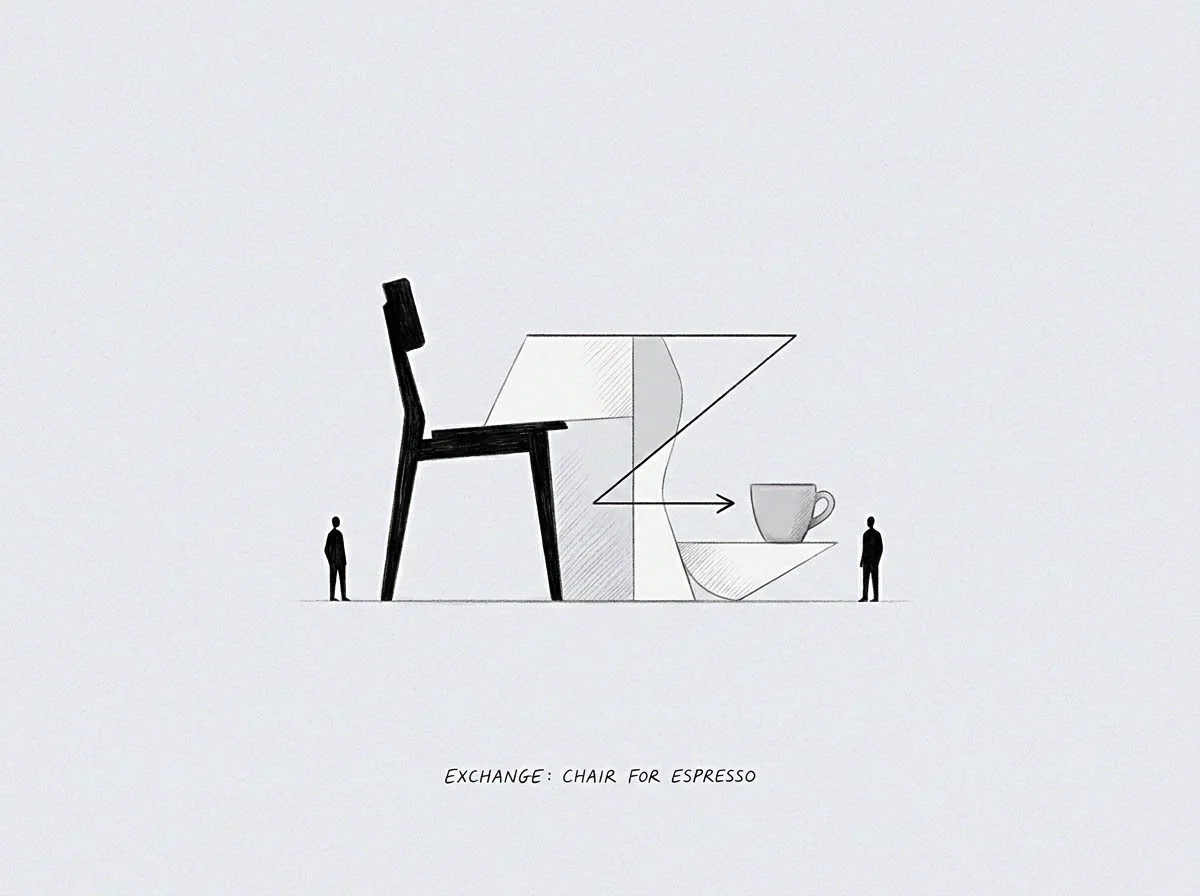
Organizational development represents the strategic procurement of functional competencies that exist outside the current internal baseline of a firm. Capability acquisition denotes the formal transfer of specialized knowledge, technical infrastructure, or proprietary workflows from an external source into the operational control of the enterprise. This process expands the scope of activities that a company performs without requiring the organic cultivation of expertise over time.
The boundary of this practice rests where internal skill gaps meet market availability for specific operational assets.
Investment Threshold
Practitioners treat this activity as a cardinal measurement of resource allocation where the cost of buying external competence offsets the delayed returns of internal training. Managers assess the trade off between immediate access to high performance and the ongoing integration expenses that arise from absorbing a foreign operation. Higher complexity in the target function increases the requirement for professional oversight during the transition period.
Asset acquisition requires a rigorous audit of the legal rights and cultural compatibility that dictate long term sustainability.
Performance Gradient
Decision makers utilize these actions to alter the slope of growth during transition phases after the initial founding period. The metric tracks the delta between the previous production output and the expected increase following the integration of new functions. A successful adoption shifts the operational ceiling of the firm to a higher coordinate on the industry scale.
Integration Risk
Operational failure occurs when the internal architecture rejects the incoming system due to misaligned incentives or technical incompatibility. Frequent issues include the degradation of existing cultural norms or the loss of key talent during the turnover period. Careful alignment of organizational reporting lines determines whether the incoming capability remains functional or decays into a disconnected cost center.
Long term utility relies upon the ability of the firm to maintain the acquired function as an organic component of its standard workflow.