Meaning
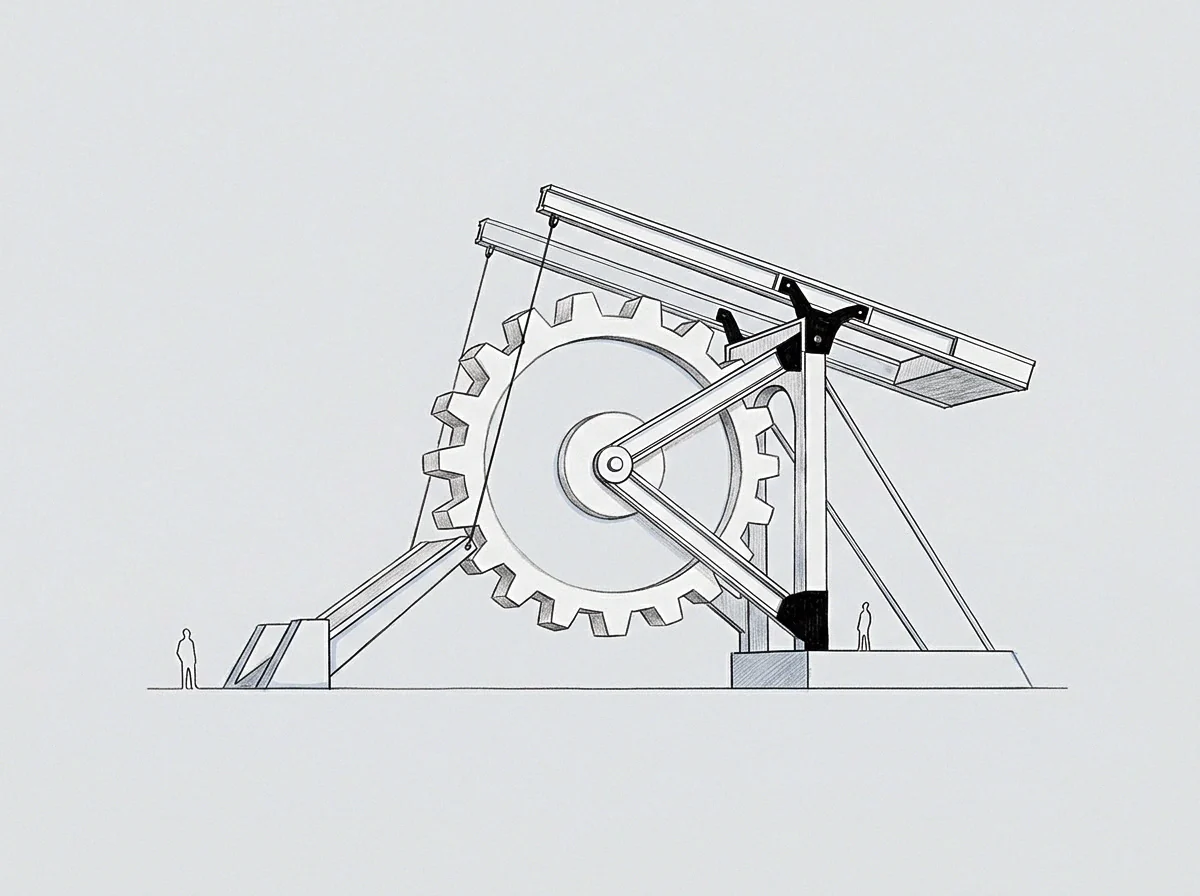
Operational limits define the absolute upper bound of physical, temporal, or financial throughput achievable by a system within a given timeframe without structural re-investment. In post-founding analysis, capacity constraints represent the hard boundaries where additional operational input fails to yield proportional increase in output. These limits govern capital deployment efficiency, production schedules, and human capital utilization, stopping where capital expansion fundamentally alters the underlying infrastructure.
Operational Ceiling
Physical and logical ceilings dictate the point where marginal cost begins to climb exponentially. When production volume hits capacity constraints, delivery latency rises while queue lengths expand rapidly. System failure occurs if demand continues to push past this point without structural remediation.
Throughput Gradient
Measuring output against incremental effort reveals the exact decay in operational efficiency. Prior to reaching capacity constraints, a firm operates within a linear returns regime where unit costs remain stable. Once these boundaries are breached, energy costs per unit delivered increase sharply while quality control degrades across active service lines.
A founder observing this shift faces a direct operational signal rather than a speculative risk, forcing a decision between capital expenditure and deliberate demand throttling.
Allocation Threshold
Resource allocation decisions depend heavily on identifying which specific bottleneck enforces the current system limit. A capital shortage and a processing bottleneck create distinct operational signals, yet both register as capacity constraints in high-level throughput reports. Realignment requires isolating the precise restrictive variable before deploying additional liquidity.