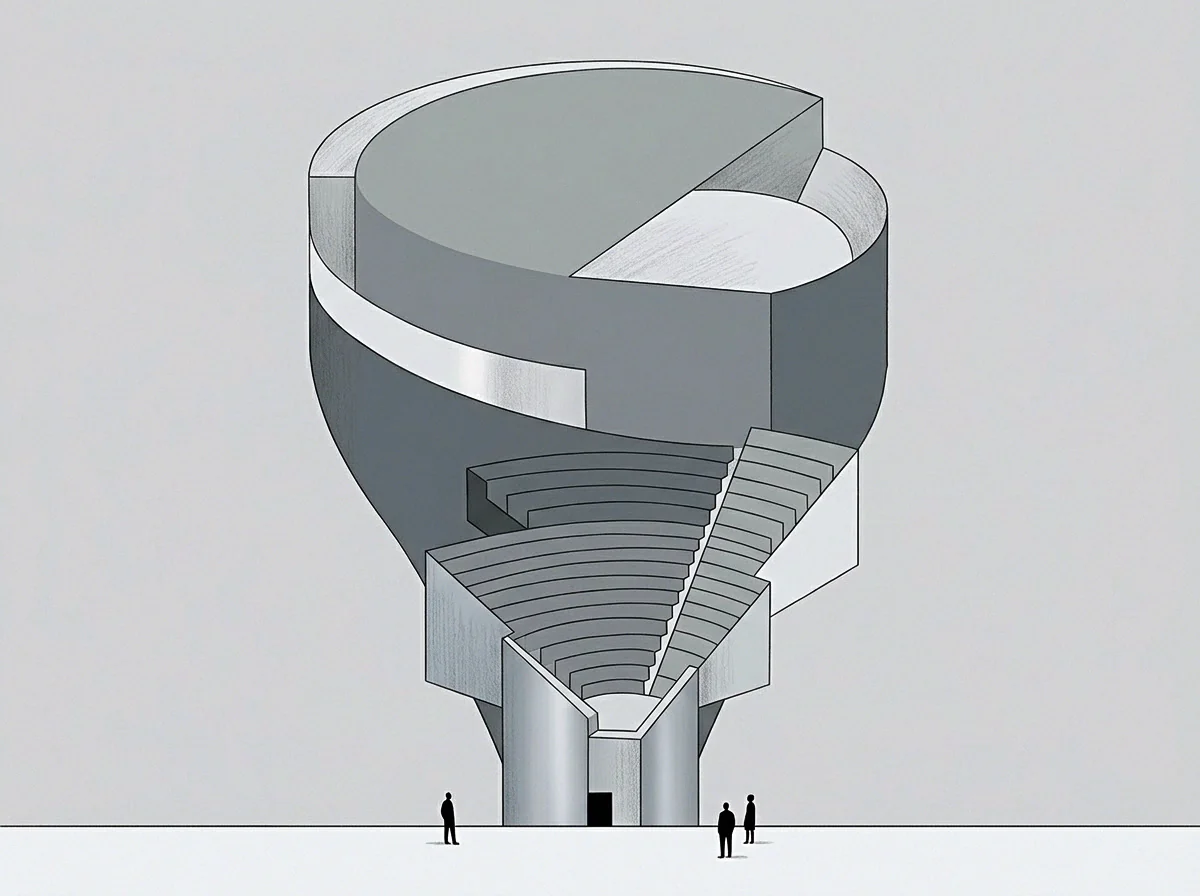
Meaning
The permanent erasure of enterprise value occurs through capital destruction, a cardinal vector on the valuation scale that tracks the absolute permanent loss of deployed equity. Mathematical subtraction of residual assets from initial inputs yields this negative delta, functioning strictly as a retrospective measurement rather than a predictive indicator. Liquidation events, chronic cash burn without proportional revenue expansion, and asset write-downs constitute the primary drivers of the mechanism.
Boundaries of the term apply exclusively to realized or irretrievable financial depletion, separating actual value loss from temporary market fluctuations or unrealized paper valuation changes.
Value Dissipation
Quantitative assessment of this downward movement relies on comparing net liquidation proceeds against total historical capitalization. Subtracting current market worth from cumulative capital injections exposes the exact magnitude of the subtraction. Negative variance signals that the enterprise consumes more resources than it generates, creating a permanent deficit on the balance sheet.
Decisions regarding operational shutdowns or restructuring depend entirely on this computed gradient.
Asset Atrophy
Gradual erosion differs from sudden liquidation through incremental value loss over extended operating periods. Unproductive overhead, obsolete inventory, and stalled product development drain financial reserves without yielding commercial return. Continuous subtraction of working capital lowers the baseline until the remaining equity approaches zero.
Monitoring this downward vector allows observers to identify the exact point where enterprise continuation ceases to generate economic utility.
Recovery Horizon
Post-collapse analysis measures the distance between the depleted baseline and any viable restart threshold. Reaching a positive economic trajectory requires fresh capital injections that exceed the historical deficit by a substantial margin. Structural defects that caused the initial value loss frequently persist into subsequent operating cycles unless management alters the underlying cost model.
Permanent removal of unproductive assets remains the sole method for halting the downward progression.