Meaning
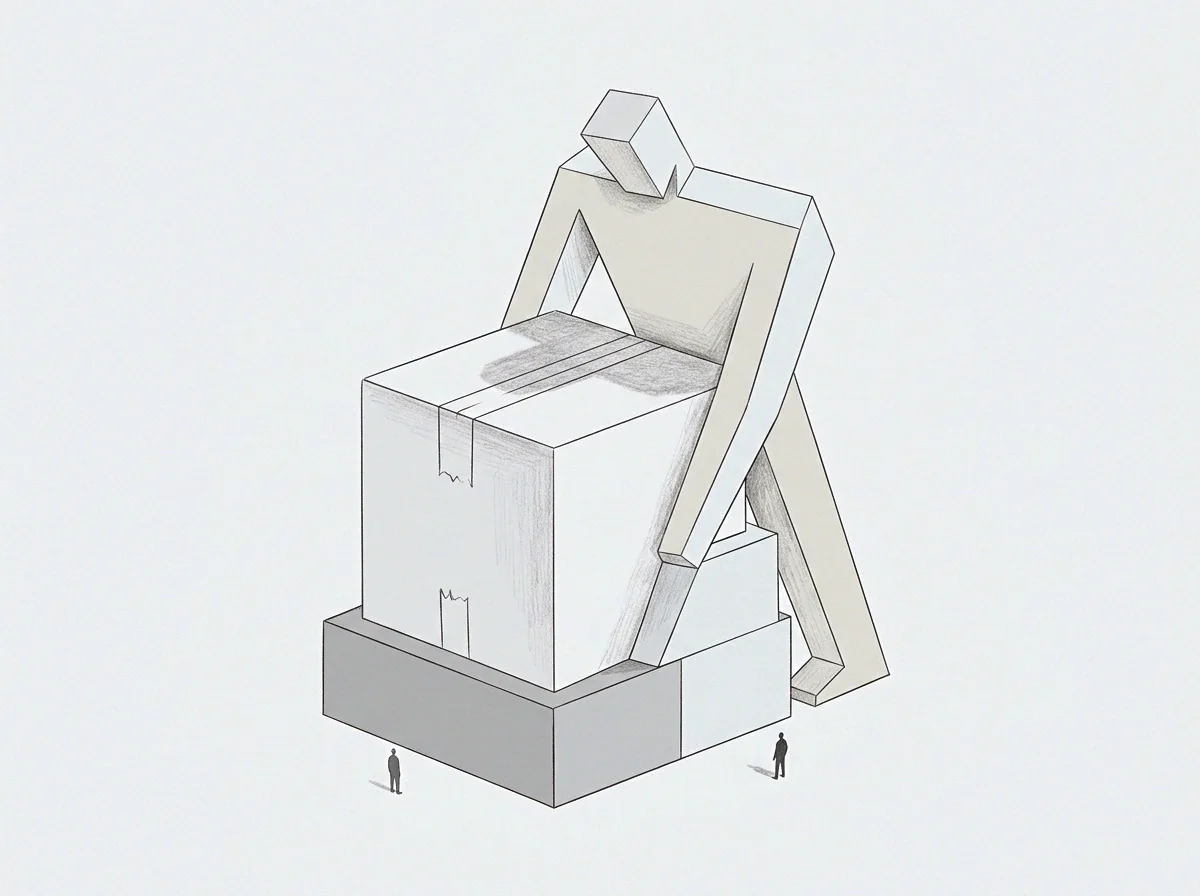
Non-productive ongoing expenditure required to preserve an acquired asset, position, or infrastructure layer forms an inescapable drag on operations. The carrying burden encompasses continuous physical holding expenses, ongoing cloud compute minimums, domain portfolio renewals, and administrative insurance premiums required to keep an asset operational. This cost sits on a cardinal financial scale, measured in recurring cash outlays and technical upkeep hours per accounting interval.
The concept stops applying once the asset enters direct active production, shifting its expense line from holding overhead to cost of goods sold.
Asset Inertia
Passive capital holdings demand regular maintenance simply to prevent decay. When an engineering division retains deprecated server clusters or unused patents, the carrying burden accrues as monthly facility bills, software patch cycles, and regulatory upkeep payments. These assets tie up liquid capital while yielding no direct customer output.
Inaction compounds the total outlay. The asset slowly absorbs resources that could accelerate core development.
Capital Entrapment
Cumulative holding expenses can eventually exceed the secondary salvage value of the underlying asset. A founder retaining dormant intellectual property packages often absorbs legal annuity fees that quickly surpass the net present value of any future licensing deal. This dynamic turns carrying burden into an insidious capital trap, where past maintenance spend creates psychological resistance against write-downs or fire sales.
Liquidating or sunsetting unutilized infrastructure breaks this cycle cleanly. Reluctance to release non-core assets diverts focus from viable product lines.
Pruning Calibration
Regular asset audits identify underperforming holdings before operational carrying overhead strains company reserves. Evaluating non-core assets against their direct carrying burden reveals the exact financial and administrative price paid to preserve optionality. If the annualized cost of maintaining an unlaunched product line outpaces the potential return of its reactivation, formal divestment or open-sourcing stops further losses.
Prudent organizations cap holding windows with hard expiration dates. Asset retention remains defensible only while preservation costs stay below measurable commercial utility.