Meaning
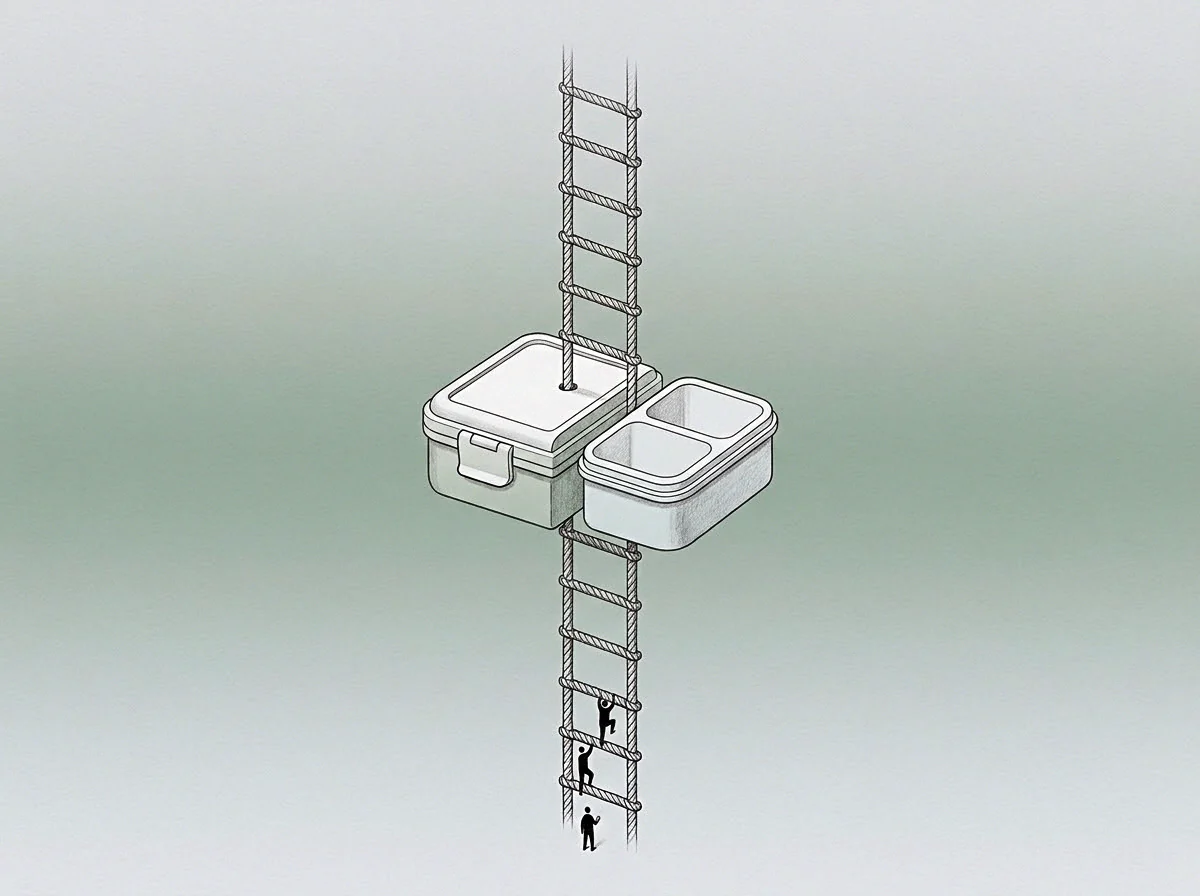
A continuous depletion of digital processing capacity caused by inefficient background executions or unoptimized database queries. When compute drain occurs, application performance decreases as computational overhead consumes excessive cloud infrastructure resources. This measurement tracks the rate of processing loss, helping engineers identify where system optimization must be applied to control rising operational expenses.
Efficiency Cost
High infrastructure bills often result from sub-optimal server configurations that require excessive processing cycles to handle routine tasks. This overhead creates a persistent efficiency cost that grows alongside user acquisition. Since cloud services charge based on utilization time, inefficient code directly impacts operating margins.
Minimizing this wastage allows platforms to scale without experiencing a parallel increase in hosting fees.
Diagnostic Signal
System monitoring tools identify this issue by tracking processor utilization patterns over extended periods. A continuous baseline elevation in compute drain indicates that resources are being consumed even during low-demand windows. This pattern points to poorly scheduled cron jobs or runaway processes.
Resolving these background loops reduces the system baseline and prevents unnecessary infrastructure spending.
Optimization Sequence
Remedying the efficiency loss requires systematically refactoring database queries and caching static assets. Teams schedule these code reviews to optimize resource usage. These actions release processing capacity and lower operating expenditures.