Meaning
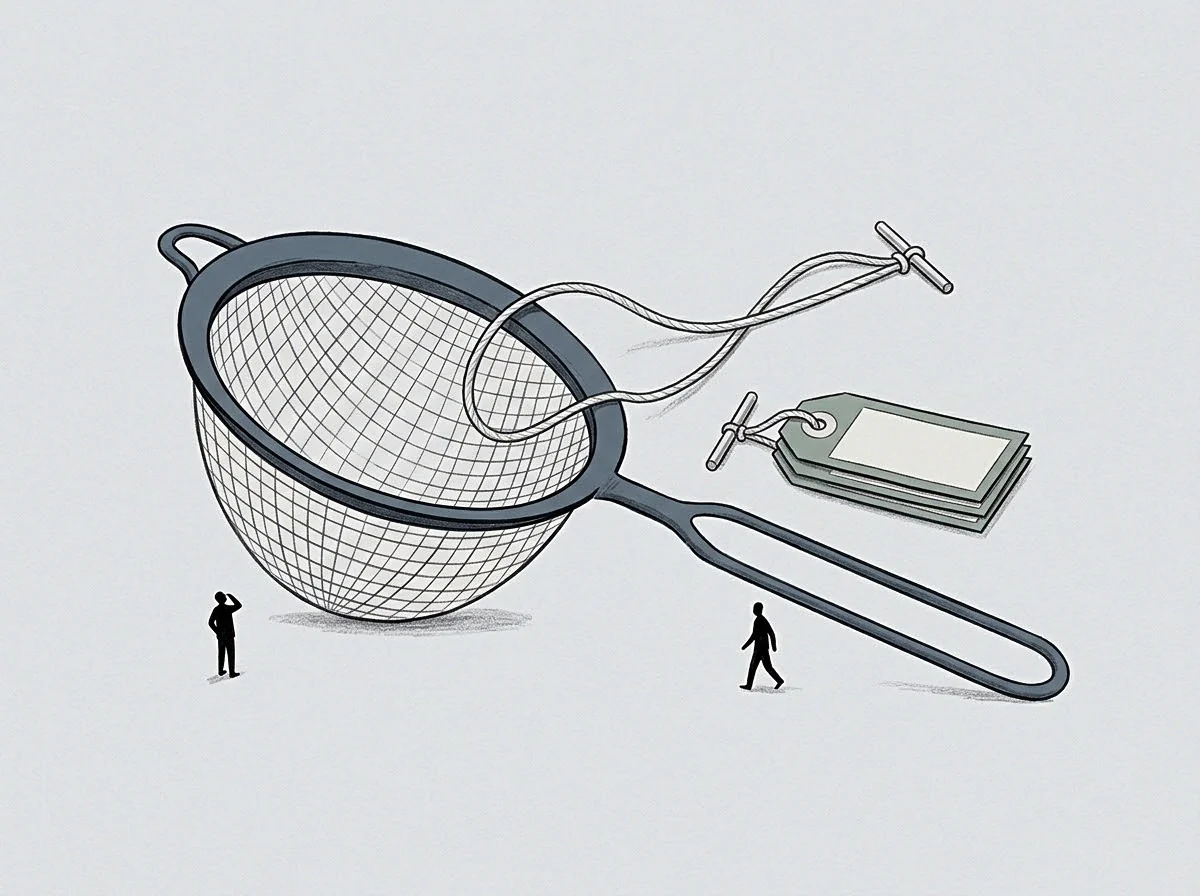
A formal adjustment mechanism operates to modify the legally binding terms of an existing business agreement without terminating the original transaction. Parties use a contract amendment to alter pricing structure, adjust performance milestones, or redistribute risk when operational conditions diverge from initial assumptions. This instrument locks in revised obligations while preserving the underlying legal framework.
Operational Trigger
Economic volatility or unexpected supply disruptions typically force the introduction of modified terms. When these events arise, a contract amendment allows both parties to re-align their commitments to current reality. This action preserves the relationship.
Financial Impact
The primary financial consequence is the redistribution of remaining cash flows over the project lifecycle. In service-delivery contracts, a contract amendment often resets the unit prices or shifts the billing intervals to protect the supplier margin against inflation. This shift directly influences the projected cash run rate.
Short-term yields may decrease to secure long-term stability.
Boundary Condition
Limits exist where the modification becomes so extensive that the original transaction is effectively replaced. If the underlying scope of work changes by more than half, a contract amendment is inappropriate, and a new agreement must be drafted instead. Courts look for fresh consideration to support the changes.
The mechanism ceases to protect the parties if this legal standard is missed.