Meaning
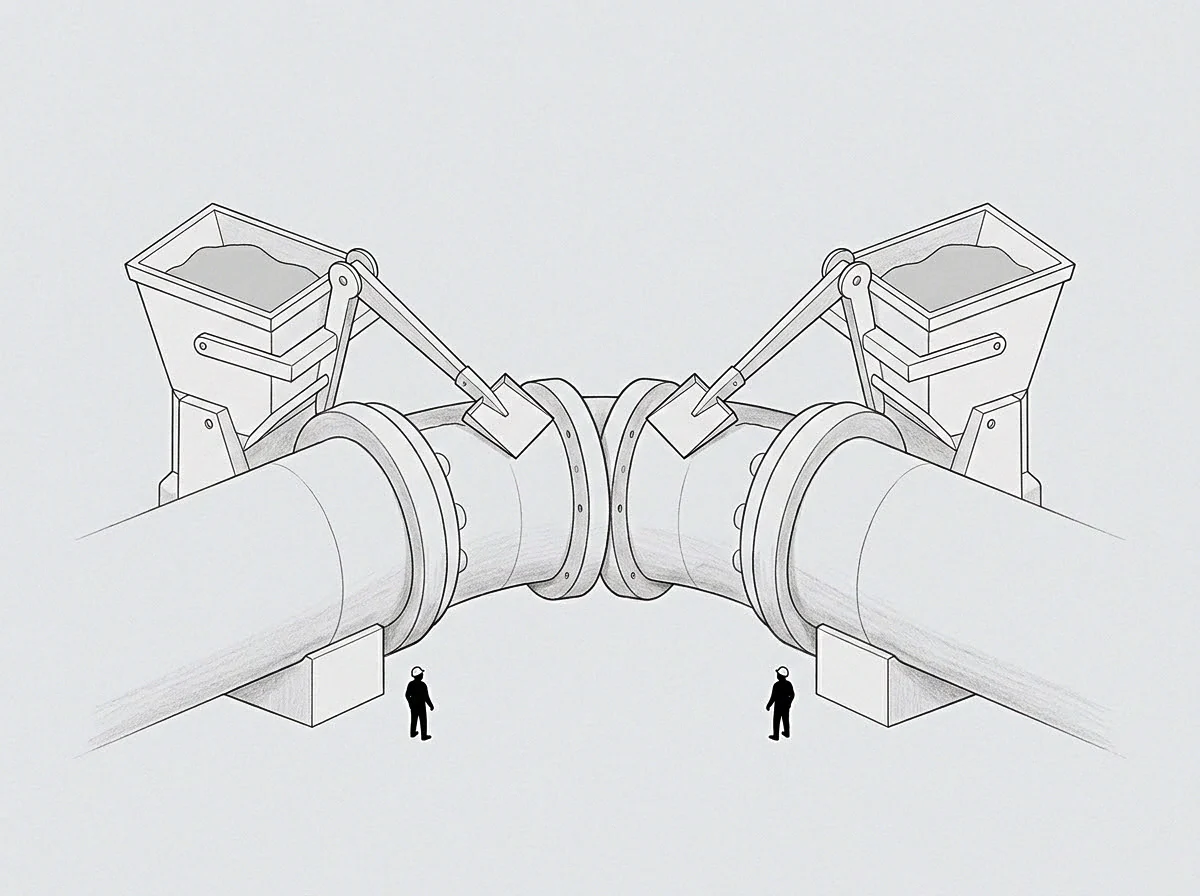
Formal perimeters defining the enforceable scope of rights and operational obligations under an agreement establish the perimeter beyond which future financial exposures must be recognized. The contract boundary delineates where recognized commitments terminate and wholly discretionary activities begin across commercial relationships. This construct operates as a discrete demarcation rather than an ordinal scale.
Accounting standards, particularly in revenue and insurance assessments, use this demarcation to classify long term obligations against subsequent renegotiation phases. The boundary dissolves when either party holds an unconstrained unilateral right to terminate the relationship without economic penalty.
Structural Division
Legal commitments govern cash movements only until the point where substantive renegotiation is mandated. Inside the contract boundary, future revenues and service obligations remain legally enforceable, requiring formal balance sheet reflection. Beyond this line, prospective exchanges constitute separate commercial undertakings rather than continuous obligations.
Operational friction frequently appears when customer relationships persist past formal documentation terms. Retaining operational support without contractual enforcement exposes the organization to unhedged performance liabilities. Commercial clarity demands periodic realignments between operational workflows and written instruments.
Allocation Drift
Practical execution often drifts beyond documented operational terms through undocumented concessions and custom concessions. Tracking this departure requires comparing delivered support volume against explicit contract boundary schedules. When technical personnel absorb non billable customer modifications, systemic operational cost expands outside statutory protections.
Such distortions mask the true economic margins of the underlying commercial agreement. The resulting divergence skews forward resource planning by treating voluntary accommodations as mandatory contractual deliverables. Rigorous administrative oversight restores operational clarity by separating billed obligations from informal accommodations.
Demarcation Failure
Economic liabilities arise when an enterprise behaves as though an agreement endures past its legal expiration. An unmonitored contract boundary creates misstated forward revenue expectations within enterprise reporting models. Unilateral termination options instantly truncate this temporal line, resetting all projected cash flow estimates.
The formal demarcation protects an organization from carrying speculative commitments as confirmed balance sheet assets. Regulatory scrutiny intensifies whenever deferred revenue balances rely on assumptions that extend past substantive legal enforcement. Precision in maintaining this line prevents regulatory reclassifications during financial restructuring.