Meaning
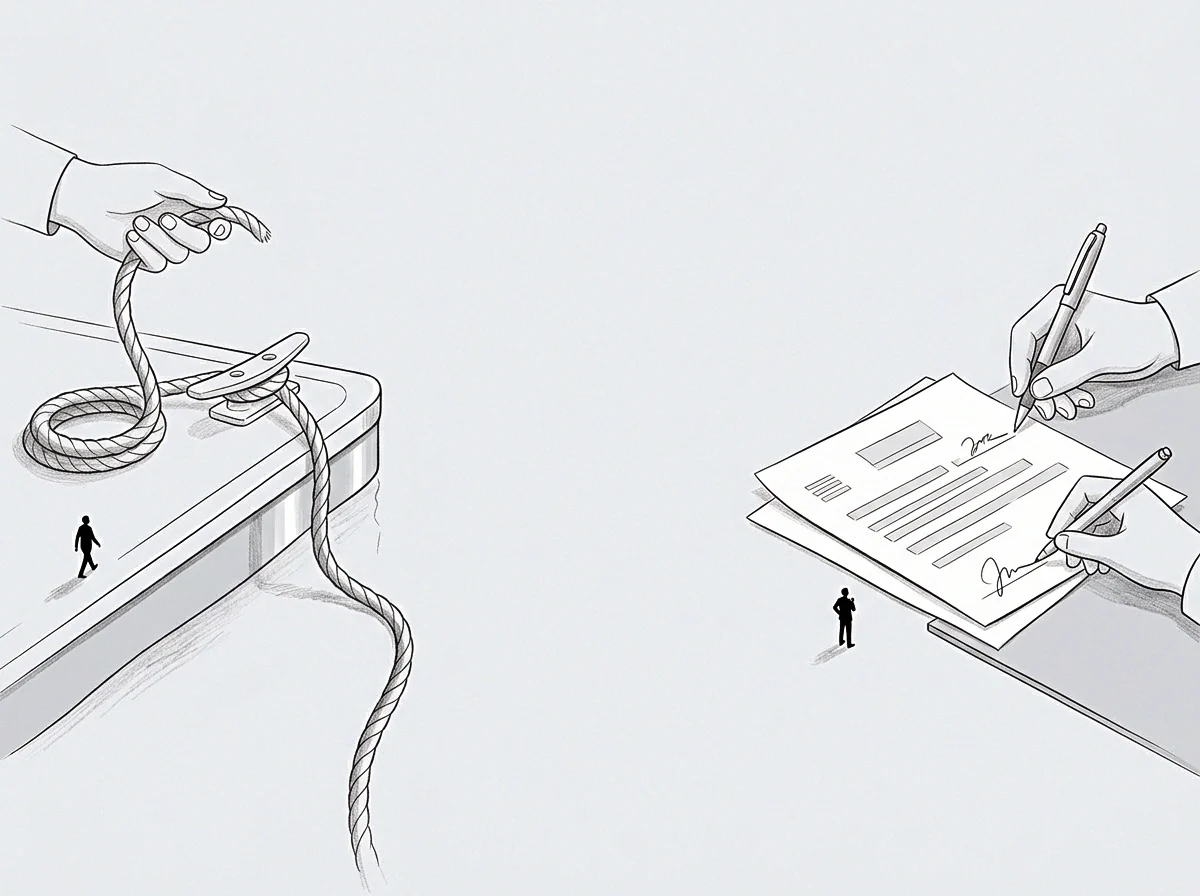
Contractual restrictions that encumber an organization’s liquid assets within an external institutional boundary define the structural availability of working capital. Under a counterparty lockup, funds or collateral securities are legally immobilised by a broker or clearing exchange to secure potential liabilities or ongoing obligations. These conditions govern the accessibility of deposited margin or escrowed funds across active commercial arrangements.
Enforcement stops upon full contract discharge or formal contractual novation.
Capital Restriction
Immobilised balances cannot satisfy working payroll or capital expenditures. When entering a counterparty lockup, an enterprise surrenders operational control over designated capital pools in exchange for transaction access or market exposure. The scale of restricted funds directly contracts the firm’s dynamic solvency margin.
Treasury management models these frozen tranches as illiquid commitments.
Collateral Friction
Operational flexibility deteriorates as the ratio of restricted capital to total balance sheet assets increases. A counterparty lockup demands surplus buffers because the locked assets cannot be pledged elsewhere or converted into cash without triggering contractual penalties. If market volatility drives higher margin requirements, the counterparty can unilaterally demand additional capital infusions into the lockup account, siphoning cash away from foundational development.
This dynamic forces founders to expend time and emotional energy negotiating release thresholds or securing expensive short-term financing to cover everyday overhead. Evaluating the opportunity cost of restricted collateral reveals whether the commercial relationship yields enough margin to justify the encumbrance. Capital efficiency declines whenever lockup requirements exceed actual operational risk.
Resolution Timeline
Contract expiration or milestone delivery initiates the administrative release of frozen assets. Exiting a counterparty lockup involves verification audits and reconciliation periods that often extend weeks beyond the operational conclusion of the contract. Releasing the capital requires formal legal discharges.
Asset recovery proceeds through rigid bilateral steps.