
Calibrating Retainer Escalation Bands Under Asymmetric Counterparty Governance Velocity In Long Contracts
Retainer escalation bands adjust contract fees dynamically based on counterparty approval latency to protect vendor capacity vectors.

Pace
By month four of an enterprise software agreement, three senior engineers sit on reserved availability while corporate sign-offs stall. The client steering committee meets biweekly, yet review items frequently slide through multiple agenda cycles without formal authorization. Meanwhile, contract terms bind the vendor to maintain dedicated capacity, blocking those engineers from alternative billable assignments.
Over several quarters, this imbalance turns a calculated contract margin into a persistent loss, even though every invoiced hour was paid on schedule.
Governance velocity defines the speed at which an organization processes decisions, signs authorizations, and clears operational dependencies. When two contracting entities operate at vastly different administrative speeds, structural friction emerges. A nimble organization turns work around quickly, whereas a larger corporate client absorbs continuous vendor attention while decisions languish in legal or compliance queues.
Standard retainers assume symmetrical momentum, pricing capacity under the assumption that work flows steadily once allocated.

Governance Friction and Capacity Drag
Corporate approval structures routinely create unbilled administrative overhead. When project specifications spend three weeks in legal review, the service provider incurs an opportunity cost by preserving readiness without making progress. The vendor absorbs internal expenses, including salary, platform overhead, and context switching across stalled initiatives.
- Approval Latency creates structural delays where engineering teams remain allocated without active work orders.
- Review Inflation multiplies internal sign-off steps as additional corporate stakeholders enter project evaluation loops.
- Scope Drift Vector expands administrative overhead while core deliverables sit waiting in review queues.
Contracts designed around fixed monthly retainers fail to account for this temporal drain. When governance review loops expand, the service team experiences severe schedule fragmentation. Engineers assigned to a waiting project cannot fully transition to short-term work due to the risk of sudden client activation, leaving the vendor carrying full payroll liabilities against interrupted billing cycles.
The Latency Asymmetry Pattern
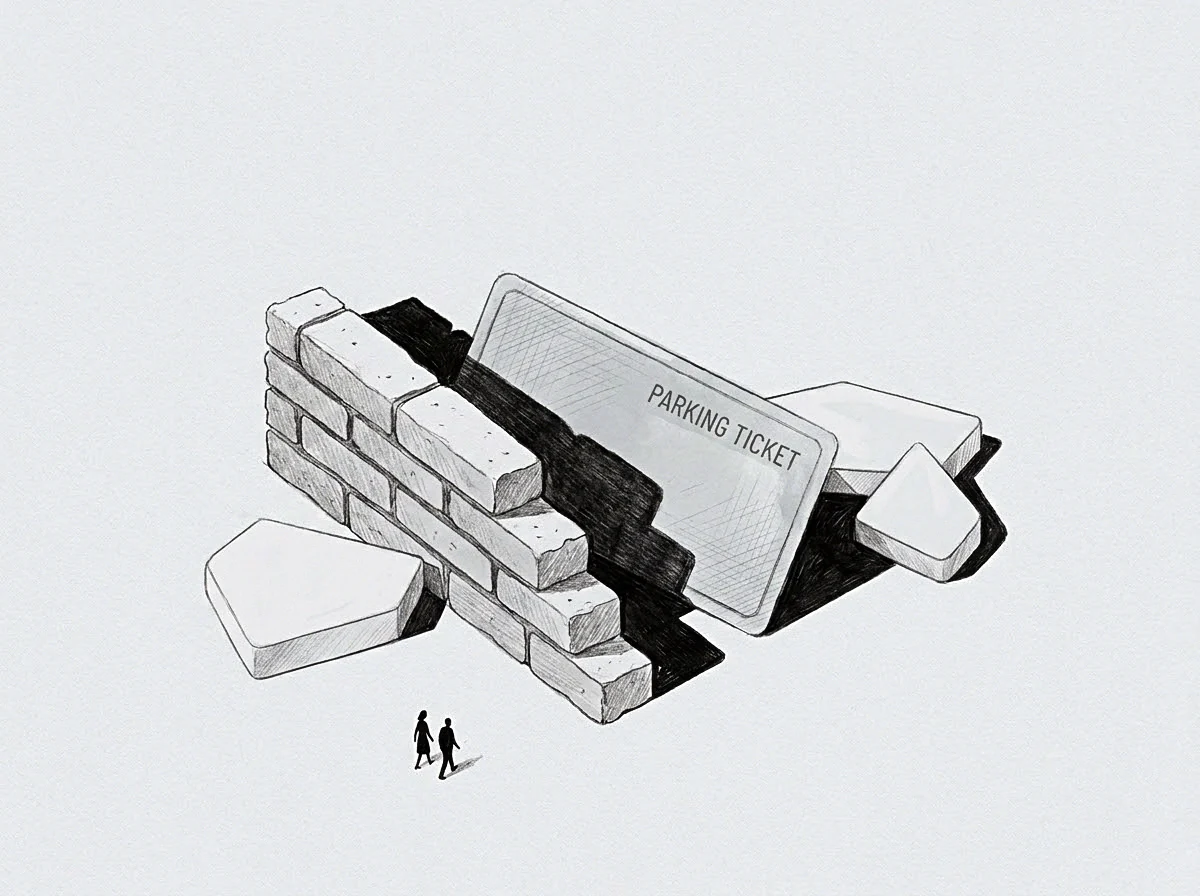
Administrative delay rarely stems from technical complexity. More often, corporate review chains require approvals from security, legal, procurement, and executive sponsors, each operating on an independent schedule. A single deliverable might require four distinct sign-offs, each adding five business days of processing time, extending the timeline without moving the work forward.
An engineering retainer running through three corporate approval layers loses half its margin to waiting before code touches production.
When vendor capacity remains locked during extended evaluation cycles, the real cost of contract fulfillment escalates sharply. The provider must either maintain idle personnel or face operational friction when reassembling project teams after sudden approvals. Neither option preserves expected contract margins under static retainer terms.
The internal review chain takes two extra weeks before purchase order authorization proceeds.

Clock
Temporal measurement in enterprise contracting reveals that delayed responses consume vendor attention at rates matching active delivery. When client teams take three weeks to return feedback on technical architecture documents, the service provider maintains administrative readiness, tracks status, and attends recurring check-in meetings. These secondary tasks consume capacity, converting billable availability into uncompensated management time.
Measuring the difference between active execution time and waiting time exposes the hidden expense of asymmetric governance. Standard time tracking logs hours spent drafting code or building infrastructure, but ignores the continuous background coordination required to keep stalled projects alive. This unmapped duration forms a hidden cost that erodes operational efficiency.

Quantifying Decision Latency
Evaluating counterparty governance speed requires establishing clear operational baselines within long-term agreements. Contract terms must define specific windows for reviews, acceptances, and dependency resolution. When actual counterparty response times exceed agreed baselines, escalation mechanisms adjust retainer fees to compensate for capacity hold times.
| Governance Velocity Tier | Approval Window (Days) | Capacity Idle Ratio | Escalation Fee Adjustment |
|---|---|---|---|
| Standard Flow | 1 to 3 Days | 0.05 | Baseline Retainer Rate |
| Extended Review | 4 to 7 Days | 0.18 | Plus 10 Percent Band Escalation |
| Bureaucratic Drag | 8 to 14 Days | 0.35 | Plus 25 Percent Band Escalation |
| Stagnant Governance | 15 Days or Greater | 0.55 | Standby Tariff Conversion |
The table above illustrates how increasing authorization delays correspond directly to higher ratios of idle capacity. As decision windows widen from three days to fifteen days, the percentage of allocated capacity stuck in idle holding patterns increases sevenfold. Escalation bands offset this friction by adjusting fee schedules based on measured administrative speed.

Temporal Bands and Fee Escalation
Structuring retainer agreements with dynamic escalation bands establishes clear financial consequences for administrative drag. Rather than relying on static monthly fees, contracts incorporate tiered adjustment rules tied directly to decision latency.
When contract governance velocity drops below the baseline threshold, retainer escalation bands trigger automatic tier adjustments to protect reserved capacity.
When an enterprise counterparty resolves approvals quickly, the standard baseline retainer applies. When governance velocity drops and approval windows stretch beyond contractual thresholds, the retainer automatically transitions into higher cost bands. This structural adjustment forces the counterparty to internalize the price of its own bureaucratic delay.
The latency escalation clause increases monthly retainer fees by fifteen percent when counterparty approval response times exceed ten business days.

Step
Graduated contract tiers establish clear boundaries between expected availability and uncompensated waiting periods. Staged escalation bands function as automatic pressure valves, shifting contractual pricing upward as client decision cycles lengthen. This dynamic prevents vendor teams from absorbing corporate governance drag without financial offset.

Why Do Fixed Retainers Fail Slow Governance?
Fixed fee retainers operate on the assumption of predictable execution velocity. When client organizations introduce multi-layered review procedures, project timelines double while resource allocations remain locked. The vendor absorbs the cost of extended readiness without receiving additional revenue.
Escalation bands solve this issue by introducing trigger thresholds tied directly to administrative review duration. Rather than penalizing the client through dispute processes, the contract applies pre-negotiated rate step-ups based on measured approval latency.

Staged Band Thresholds and Escalation Triggers
Designing effective escalation bands involves defining explicit operational steps that trigger fee adjustments. These steps align resource availability with counterparty response speed.
- Initial contractual agreements define baseline approval windows of five business days for project specifications.
- Exceeding seven business days automatically shifts the retainer allocation into a secondary standby tier.
- Reaching fourteen business days triggers fee adjustments that convert idle capacity into billed hours.
Implementing sequential band adjustments ensures that counterparty governance delays carry immediate contractual consequences. When decision bottlenecks occur, the system automatically recalibrates billing terms without requiring manual scope renegotiation, converting waiting hours directly into billable rates on the invoice.
A counterparty with slow decision throughput consumes vendor attention during review windows even when formal work hours remain unbilled.
By establishing pre-defined fee bands, service providers protect their operational margins against institutional inertia. Clients retain full control over their internal governance pace, but pay a premium when slow decision velocity ties up vendor resources.
Pricing models calibrated to output volume rather than waiting duration shift administrative friction entirely onto vendor margins.
Gauge
Evaluating the financial impact of corporate decision latency demands an examination of retainer structures across operating quarters. A typical long-term enterprise arrangement illustrates how asymmetric governance velocity erodes fixed contract margins when left unpriced.
Take an engineering firm that commits four full-time specialists to a long-term contract at a flat monthly retainer of fifty thousand dollars. The contract assumes a standard review window of three business days per technical deliverable. The client governance structure operates with an average approval cycle of eighteen business days per deliverable, leaving specialists idle for two weeks every month while maintaining reserved capacity.

Worked Case of Asymmetric Latency Escalation
Under the flat fifty-thousand-dollar monthly retainer, the vendor incurs full salary overhead for four specialists across the entire month. Over a six-month period, the vendor receives three hundred thousand dollars in total retainer payments. However, because client approvals average eighteen business days, the engineering team executes active billable work during only forty percent of their allocated time.
The remaining sixty percent of available capacity sits locked in waiting states, attending daily status syncs, tracking legal feedback, and maintaining deployment readiness. The vendor incurs an uncompensated opportunity cost of one hundred and eighty thousand dollars in reserved capacity that could have been deployed to active client accounts. The effective hourly realization drops by more than half, turning an expected twenty-five percent profit margin into a severe net operating loss.

Decomposing the Capacity Vector
Now apply a calibrated retainer escalation band model to the exact same contract parameters. The baseline agreement establishes a fifty-thousand-dollar monthly retainer covering approval windows up to five business days. The contract defines two additional escalation bands:
Band A applies a twenty percent fee increase when average approval response times run between six and ten business days. Band B applies a forty-five percent fee increase when approval cycles exceed ten business days, while simultaneously authorizing the vendor to reassign fifty percent of reserved capacity to secondary projects after day ten.
Under this calibrated band structure, the client’s eighteen-day approval average automatically triggers Band B billing terms. The monthly retainer escalates from fifty thousand dollars to seventy-two thousand five hundred dollars. Simultaneously, the vendor reassigns two specialists to alternative billable work during the extended waiting window, recovering forty thousand dollars in monthly capacity value.
Contractual pricing adapts to slow decision velocity only when escalation triggers reflect decision latency rather than delivered volume.
Over the six-month term, total retainer revenue increases to four hundred and thirty-five thousand dollars, while partial capacity reallocation generates an additional eighty thousand dollars from secondary accounts. The vendor fully offsets the expense of client governance latency, preserving internal operational efficiency and restoring contract profitability.
Uncalibrated retainers force vendors to subsidize corporate bureaucratic inertia through uncompensated idle capacity.

Toll
Converting internal capacity drag into enforceable billing terms protects operating margins against counterparty organizational slowdowns. When escalation clauses link fee adjustments directly to measured governance latency, contractual relationships gain structural stability. Clear financial boundaries prevent friction when corporate approval chains lag behind project requirements.
Long-term service agreements require mechanisms that convert qualitative administrative friction into explicit pricing figures. Stating these costs early in contract negotiations frames capacity reservation as a premium service rather than an unpaid courtesy. When clients understand that governance velocity directly influences retainer pricing, their internal teams gain financial incentives to streamline review workflows.

Converting Latency Vectors Into Cardinal Prices
The conversion process requires translating qualitative waiting periods into quantitative financial adjustments. Service providers track historical approval latency across initial contract phases, establishing empirical governance baselines. When governance speed diverges from these baselines, contractual escalation bands apply pre-calculated multipliers to monthly retainers.
This approach moves commercial discussions away from vague complaints about client responsiveness. Instead, billing adjustments happen automatically based on objective temporal data. The invoice reflects measured administrative turnaround times, placing a precise price tag on institutional delay.

Contractual Recourse and Operational Boundaries
Implementing retainers with dynamic escalation bands establishes clear operational recourse when corporate governance breaks down completely. If approval delays extend past maximum contractual thresholds, escalation clauses permit vendors to pause resource reservation entirely without defaulting on delivery commitments.
Establishing these boundaries protects service organizations from becoming perpetual buffers for enterprise inefficiency. When corporate review chains stall indefinitely, the contract provides explicit pathways to adjust retainers, reallocate personnel, or terminate availability guarantees. Dynamic pricing aligns contractual terms with operational reality.
Whether corporate procurement teams will eventually accept dynamic velocity pricing as standard practice remains an open structural question.