Meaning
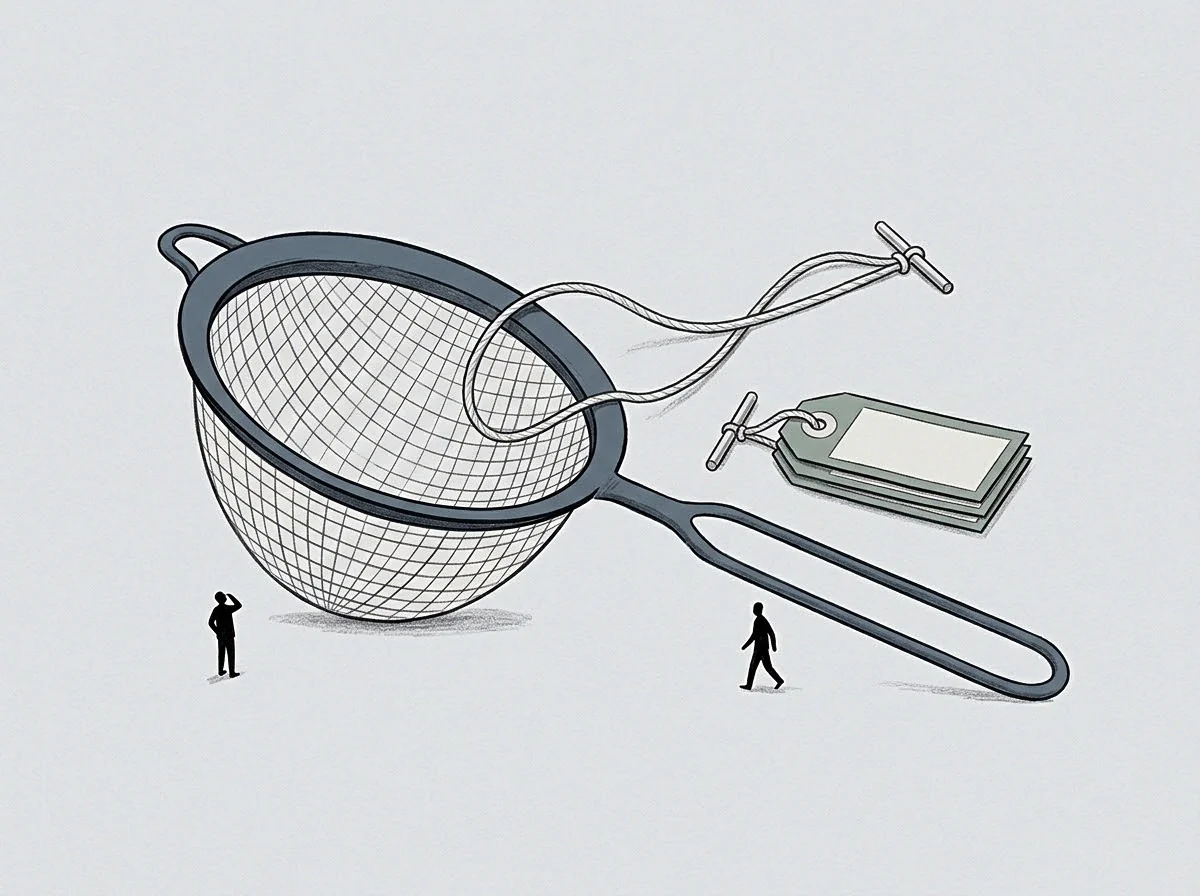
Hidden variables within a contract or a financial arrangement restrict the visibility of obligations held by an external entity. Counterparty opacity occurs when a party lacks sufficient information regarding the liabilities or asset quality of the entity on the other side of an agreement. This lack of transparency obscures potential risks that could affect the stability of the relationship.
Such informational voids prevent an accurate assessment of default probability or performance capacity.
Contractual Risk
Legal agreements frequently lack clauses that mandate full disclosure of secondary debts or contingent claims held by a partner. Information asymmetries arise when one participant possesses internal data that remains inaccessible to the other side during the negotiation phase. High levels of counterparty opacity create a blind spot that prevents the calculation of true exposure.
Reliance on public credit ratings often fails to bridge this gap because those metrics update with significant delay.
Operational Exposure
Organizations monitor the financial health of partners through periodic audits and signal analysis to compensate for limited data. Monitoring becomes a continuous duty when direct visibility into the books of a counterparty stays prohibited by privacy laws or commercial confidentiality. Patterns of irregular payments or sudden shifts in communication frequency act as proxies for underlying instability.
Measuring the volatility of these signals provides a mechanism to estimate the unknown debt levels of an entity.
Systemic Influence
Macroeconomic shifts demonstrate how hidden obligations across a network contribute to sudden market contractions when a single failure triggers a chain of defaults. Interconnected entities often possess overlapping liabilities that stay concealed until a liquidity crisis forces the disclosure of these balances. The depth of this systemic risk remains proportional to the aggregate amount of private debt circulating through private agreements.
Total market fragility depends on the extent to which participants accurately value the risks they cannot see.