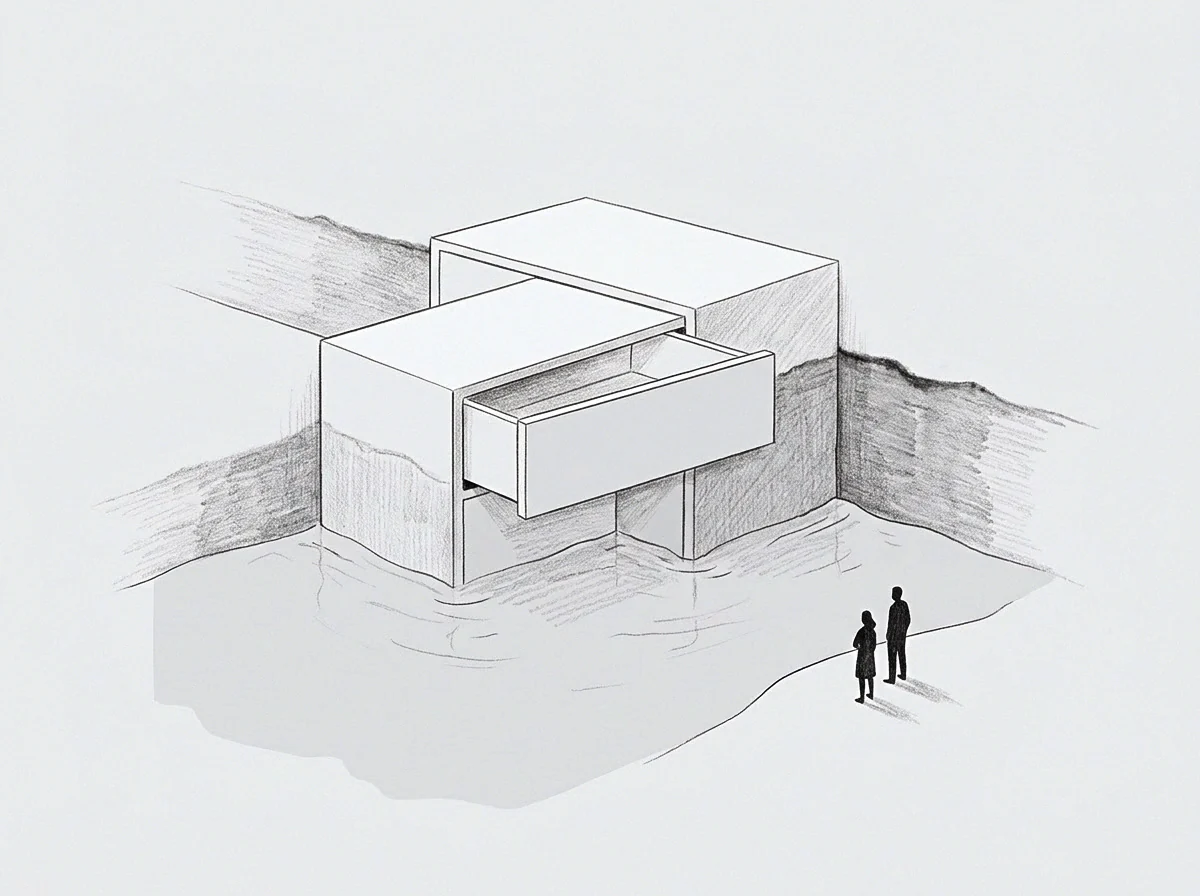
Meaning
Sudden and notable increase in the volume of requests or orders exceeds the standard operating capacity of a system. A demand spike creates an immediate pressure on the supply chain or service delivery mechanism. This phenomenon is distinct from seasonal growth because it occurs without the lead time required for resource scaling.
It ends when the volume returns to the mean or the system scales to accommodate the new level.
Volume Change
Rapid escalation of traffic or orders forces a shift from efficient processing to emergency triage. During a demand spike, the focus moves toward preserving the integrity of the core service even if peripheral features fail. Systems often employ automated throttling to manage the load.
Capacity Strain
Physical or digital infrastructure faces a stress test when these surges occur. If a demand spike persists, it exposes the weakest link in the operational chain, such as limited storage or narrow bandwidth. The strain often leads to a higher error rate in manual tasks and a backlog that requires significant hours to clear.
Sustained pressure degrades the hardware or the energy levels of the staff.
Recovery Period
Returning to a normal state requires a cleanup of the backlogged items and a review of the system failures. A demand spike leaves behind a trail of data that helps in building better predictive models for the future. Analyzing the peak helps in planning the next scaling phase.