Meaning
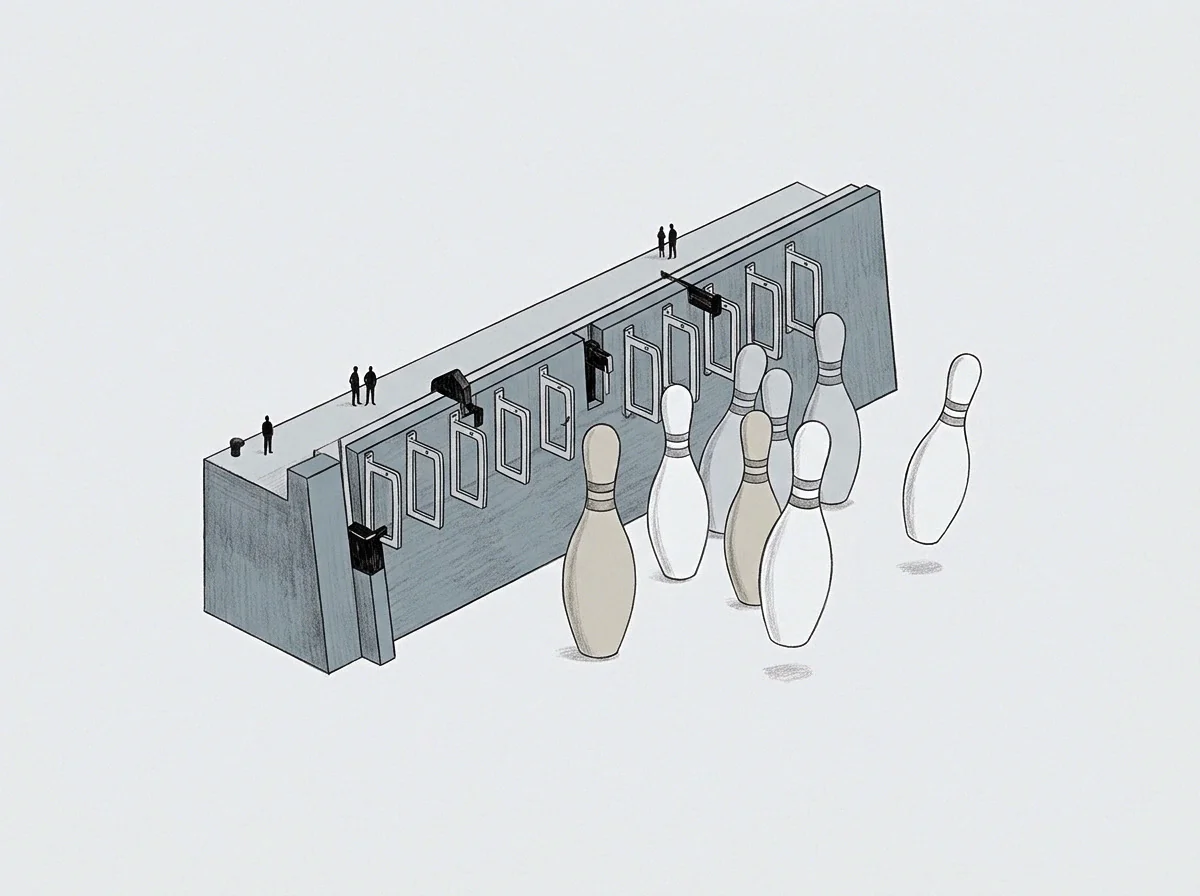
Operating limits defining the maximum volume of resources or capital that an organizational structure can productively absorb during a specific period mark a critical boundary for growth. In strategic execution, the deployment ceiling determines the point where additional inputs yield diminishing returns or cause operational instability. It represents a physical or structural constraint rather than a financial budget limit.
Resource Constraint
Allocating capital beyond the systemic capacity of a firm often generates waste instead of accelerated output. When a business attempts to scale, the deployment ceiling dictates how quickly hiring and training can occur without degrading the quality of delivery. This constraint ensures that growth does not outpace the underlying infrastructure of the organization.
Operational Friction
Internal friction increases when the volume of new projects exceeds the supervision threshold of senior management. Monitoring the deployment ceiling allows planners to schedule project starts in a staggered sequence. This practice maintains execution quality.
Capacity Boundary
Strategic planning relies on knowing when to pause expansion to let internal processes stabilize. By identifying the deployment ceiling, leadership can prevent the systemic failures that occur when teams are stretched beyond their capacity. It establishes a clear, measurable trigger for expanding organizational infrastructure before attempting further growth.