Meaning
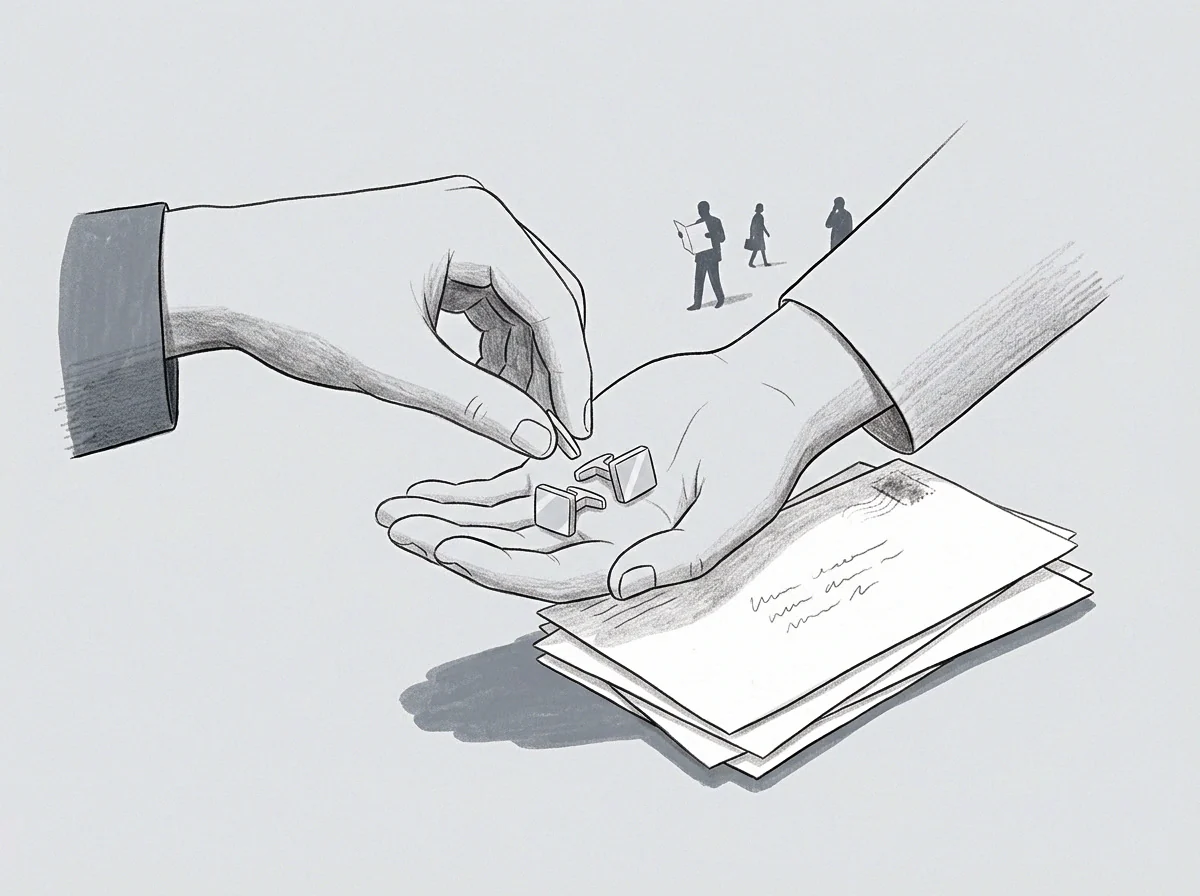
Distribution adjustments involve the transition of a business model from third-party intermediaries to a model of direct customer engagement. When an organization executes a direct shift, it bypasses wholesale networks or retail partners to sell its products or services straight to the end user. This transition allows the company to capture the full margin that previously went to distributors.
Distribution Channel
Intermediate sellers often stand between a producer and the market, controlling the flow of product information. Initiating a direct shift requires the manufacturer to build its own delivery and logistics infrastructure to replace these partners. Although this requires substantial capital expenditure, it removes the dependency on external distributors who may not prioritize the company’s products.
Margin Capture
Financial benefits accrue when a company retains the portion of the retail price that once went to middle agents. Under a direct shift, the firm receives the full retail price rather than the lower wholesale price. This extra margin can be used to fund research, lower retail prices, or increase profitability.
Customer Relationship
Information flows improve when the barrier between the producer and the final buyer is removed. Executing a direct shift enables the business to gather behavioral data directly from the customer. This feedback informs product development and allows for faster adjustments to market demand.
Direct interaction also enables the company to resolve service issues without the distortion or delay of third-party mediation. Consequently, the organization builds a more resilient asset that is less vulnerable to the strategic shifts of distribution partners.