
Quantifying Cognitive Context Switches In Direct Technical Support Channels
Context switching in direct support channels consumes engineer capacity through attention residue and recovery latency, generating multi-attribute ordinal costs.

Cost
An engineer sitting before a dual-monitor workstation drops an active code refactoring task when a direct message notification flashes across the screen. The incoming ping demands immediate triage for a production anomaly reported in a shared enterprise customer channel. Attention fragments instantly.
The mental model collapses. The transition from primary architectural problem-solving to live customer support appears brief on a clock, yet the internal shift carries multiple concurrent magnitudes.
Every context switch in direct support channels imposes a multi-attribute vector upon the engineer. This vector includes immediate hours spent reading logs, monetary value of delayed feature releases, temporary loss of deep focus capacity, and sustained mental fatigue. Evaluating this impact through simple billable hours obscures the fundamental mechanism.
Hours record active duration; they fail to record the lingering mental fragmentation left behind.
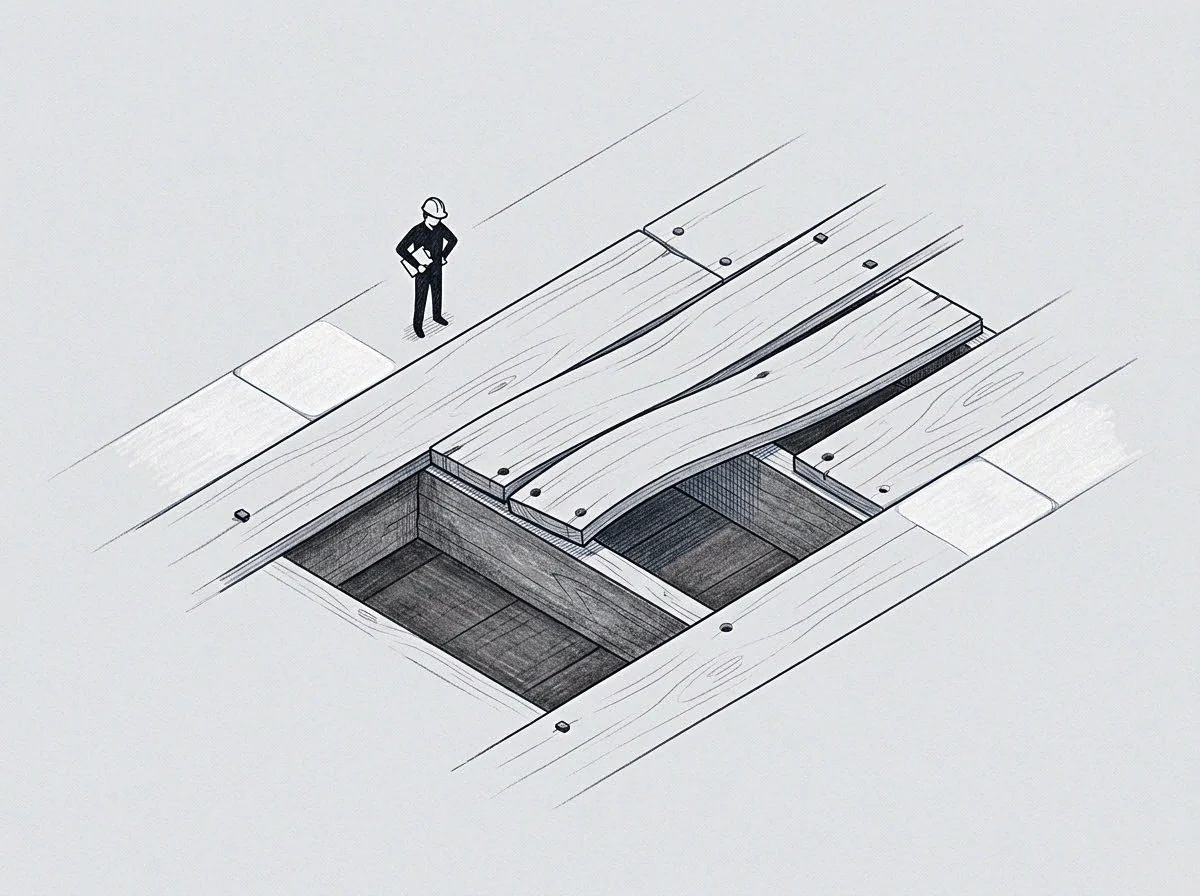
Residual Attention Dynamics
Task switching research in cognitive psychology demonstrates that focus does not instantly relocate to a newly introduced objective. When an engineer moves from drafting complex software logic to answering an unscripted support query, a fraction of cognitive capacity remains tethered to the prior problem. Context switching incurs debt.
Memory degrades under load. The residual attention left on the initial task reduces the problem-solving bandwidth available for the incoming support issue.
When an engineer halts primary deep-work execution to resolve an unscheduled customer ping, cognitive restoration scales non-linearly with the depth of the prior state.
Returning to the primary task after resolving the support ticket forces a full re-construction of the working mental model. The engineer re-reads previously modified files, traces execution paths again, and slowly re-establishes abstract dependencies. The interrupt arrives without warning.
Focus requires continuous isolation. Recovery takes time. The true length of an interruption equals the duration of the support interaction plus the time required to regain peak focus.
Failing to account for mental switching delays produces unaccounted schedule overruns, lower code architecture quality, and early burnout among senior engineering staff.
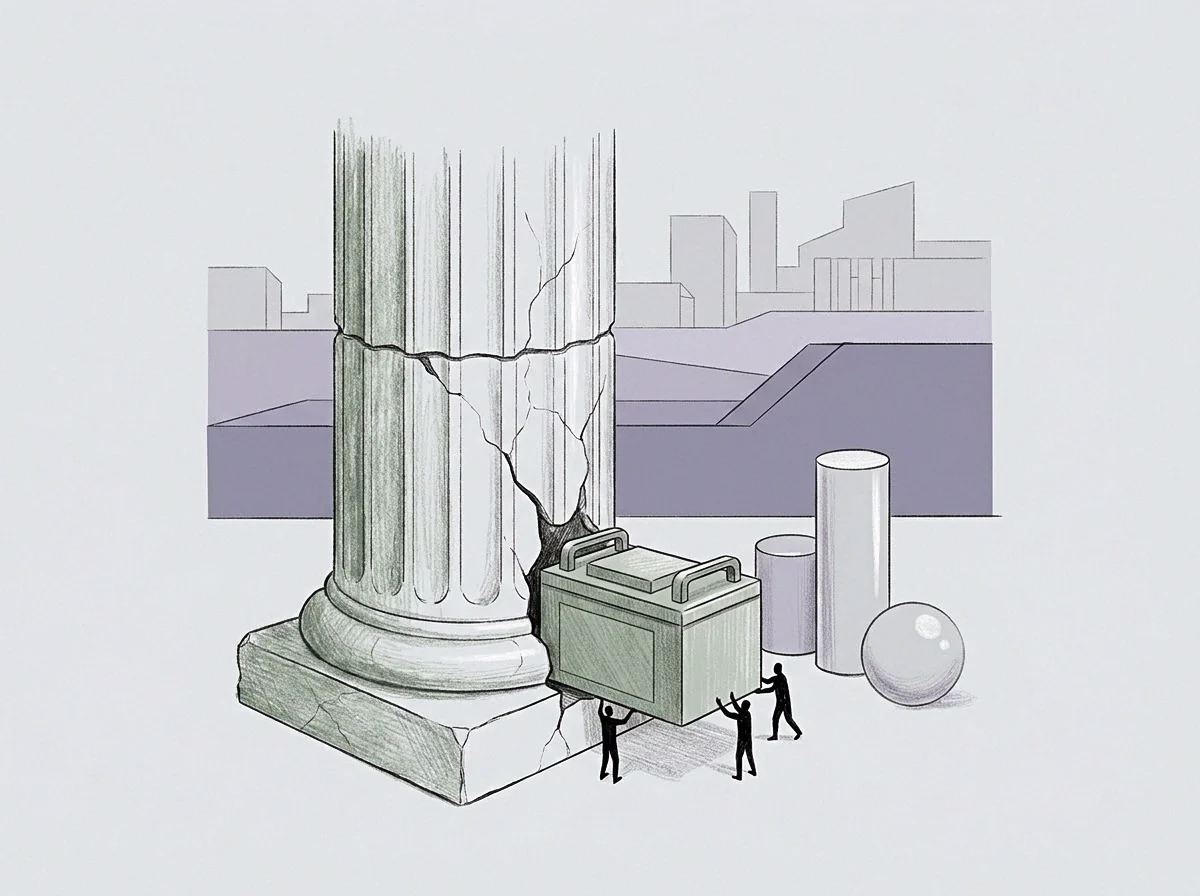
Desk
Direct support channels place technical founders and staff engineers in immediate, unstructured contact with live customer environments. Embedded shared chat channels and direct messaging queues bypass the protective buffers traditional ticketing systems historically maintained. The seat designated for software development transforms into a continuous operational triage station.
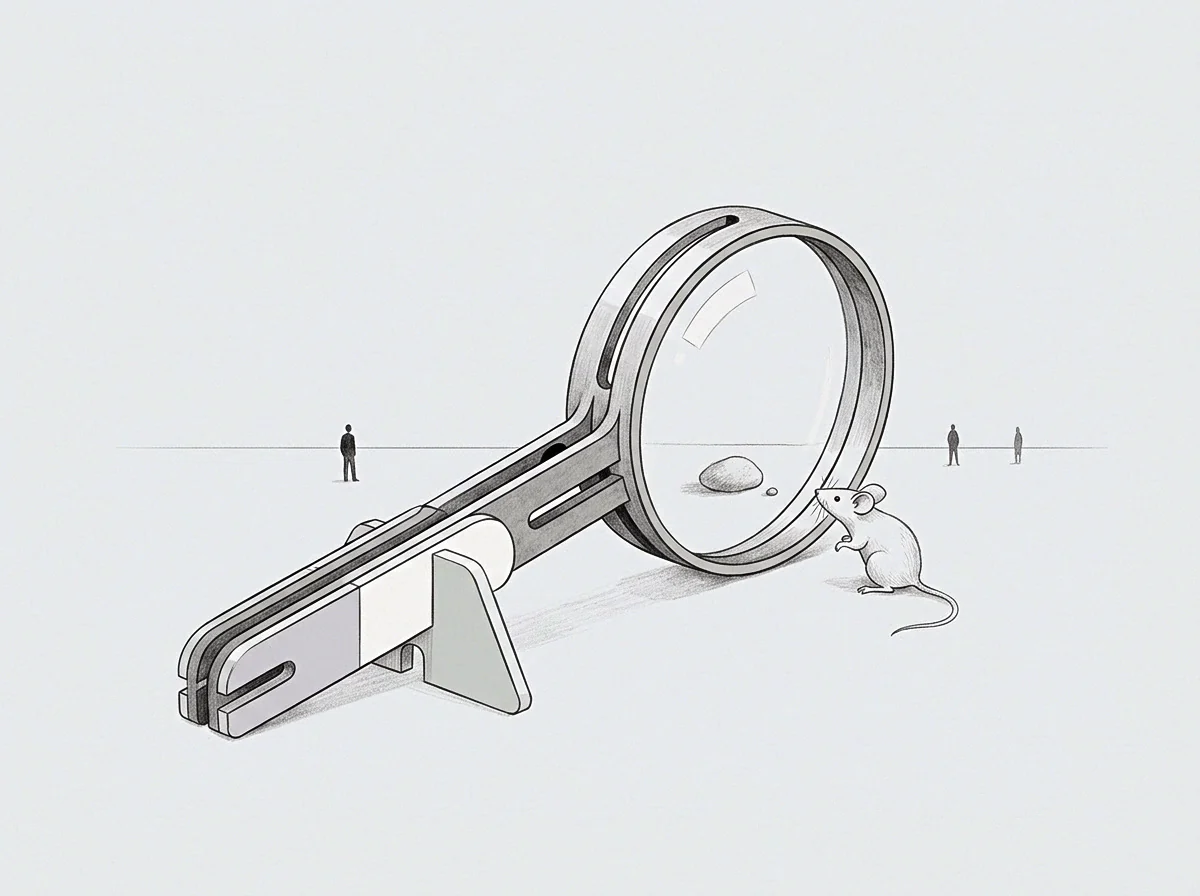
Structural Distortion of Direct Messaging
Embedded shared chat spaces create an expectation of rapid response that disrupts scheduled development sprint goals. Synchronous communication channels reward speed over depth. The queue never clears.
Engineers sitting in these direct seats experience continuous hyper-vigilance, keeping background monitoring tabs open while attempting to write clean code.
- Channel Monopolization occurs when a single vocal participant routes basic administrative queries into high-urgency technical threads.
- Asynchronous Degradation manifests as engineers treat deep system design tasking as low-priority fill material between incoming pings.
- Covert Contract Formation develops when early customers expect immediate engineer response times as a permanent feature of product delivery.
- Primary Task Atrophy emerges after repeated context fracturing strips the engineer of the capacity to maintain complex abstract mental models.
The operational cost of maintaining direct developer access remains invisible on balance sheets while destroying product velocity. Silence allows deep work. The channel stays active.
When customer access operates without defined boundaries, internal technical capacity drains continuously into real-time triage.
The direct chat channel was listed as a primary enterprise tier feature in the signed order form.
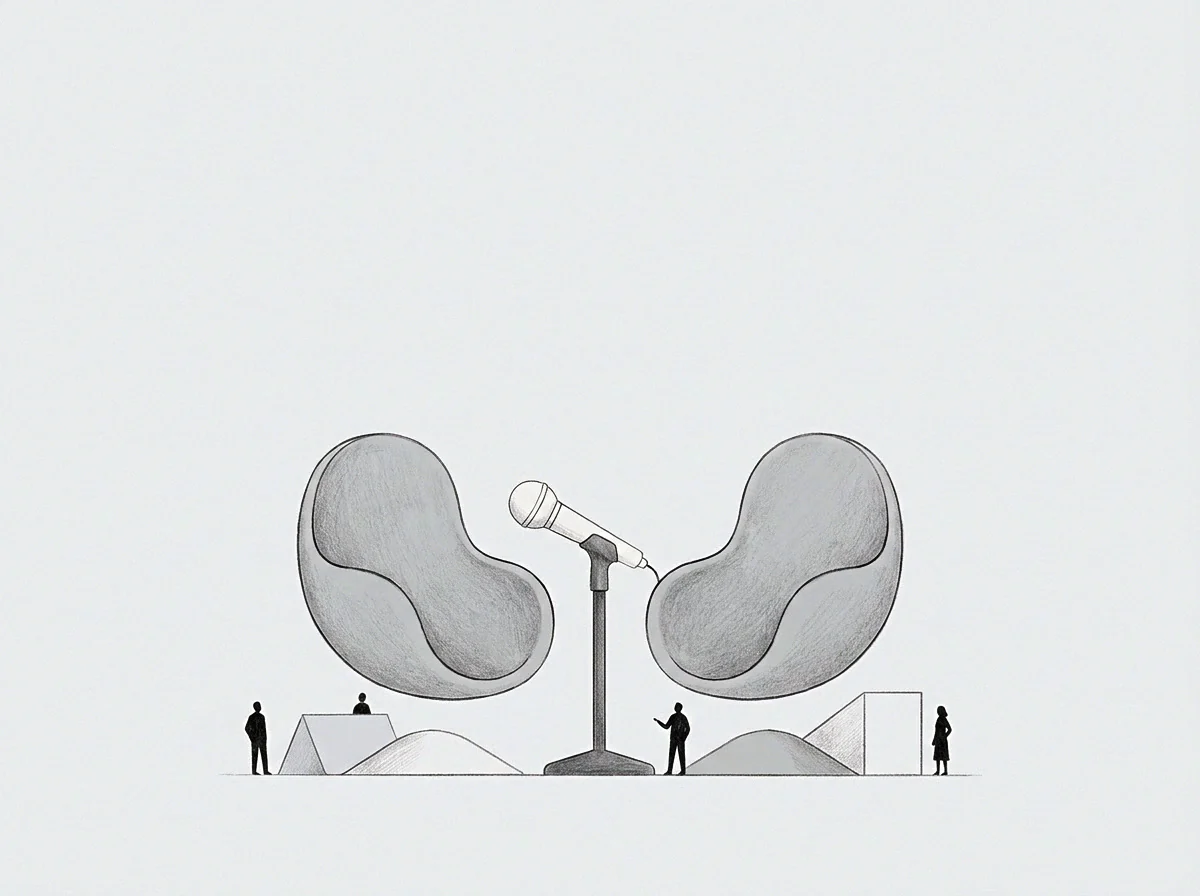
Vector
Quantifying cognitive context switching demands breaking down the disruption into specific measurable dimensions beyond simple aggregate clock time. A single interruption alters engineer output across three primary axes: immediate task disruption time, cognitive recovery latency, and ongoing focus degradation. The vector moves upward.
Capacity decays under stress. Each component possesses its own magnitude and operational trajectory.
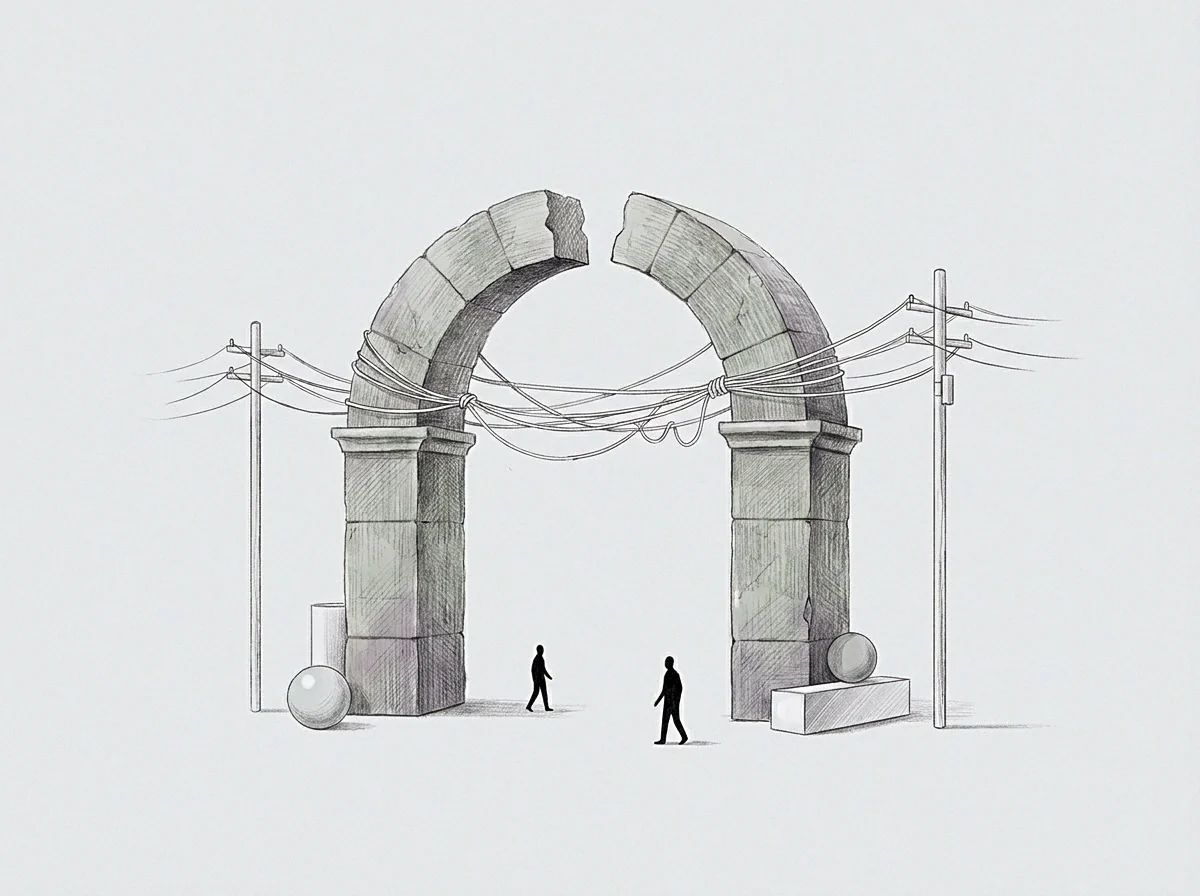
What Recovery Latency Remains Unmeasured After Interruption?
Primary mental state loss forces an engineer to rebuild complex conceptual representations from ground zero after answering a simple customer question. Field observations in software development indicate that a five-minute synchronous support chat routinely generates twenty to thirty minutes of total context recovery delay. Interruption alters engineer output.
The physical clock records five minutes of support work while the engineer loses half an hour of high-value architectural output.
Tethering high-bandwidth technical talent to unstructured customer messaging channels yields a predictable drop in fundamental engineering velocity.
Measuring context switches on an ordinal scale allows organizations to rank interruption types by severity without relying on precise, unmeasurable internal mental metrics. A direct video call context switch ranks higher in ordinal friction than an asynchronous forum response. An unexpected synchronous ping ranks higher than a scheduled ticket review block.
Establishing ordinal ranks clarifies which communication channels inflict the heaviest damage on development velocity.
A specific operational response boundary condition converts an unbounded stream of synchronous interruptions into a controlled, batched operational queue.

Scale
Evaluating context switching across different communication channels highlights significant variations in operational impact. Communication mediums impose distinct cognitive tax structures based on their synchronicity and structural formality.

Channel Interruption Profiles
The friction generated by direct support interactions varies according to channel geometry and expectations surrounding response speed.
| Support Channel Format | Average Recovery Latency | Attention Residue Profile | Ordinal Capacity Impact |
|---|---|---|---|
| Shared Synchronous Chat | Twenty-three minutes | High residual fragmentation | Severe operational drain |
| Direct Video Pairing | Forty-five minutes | Total primary state drop | Maximal focus disruption |
| Structured Escalation Queue | Eight minutes | Low bounded diversion | Minimal task interference |
Constructing a functional support workflow requires migrating incoming customer queries from high-friction synchronous vectors toward low-friction asynchronous structures.
- The technical team establishes an explicit time-windowing policy for synchronous channel presence.
- Customer expectations are recalibrated through published response SLAs categorized by issue severity.
- Triage responsibility rotates on a dedicated, full-day schedule to isolate the remaining team from context breaks.
Isolating primary development work from direct customer messaging protects cognitive capacity far more effectively than attempting to speed up task switching.
Synchronous messaging channels inevitably devour deep work capacity unless structural barriers limit direct engineer access.
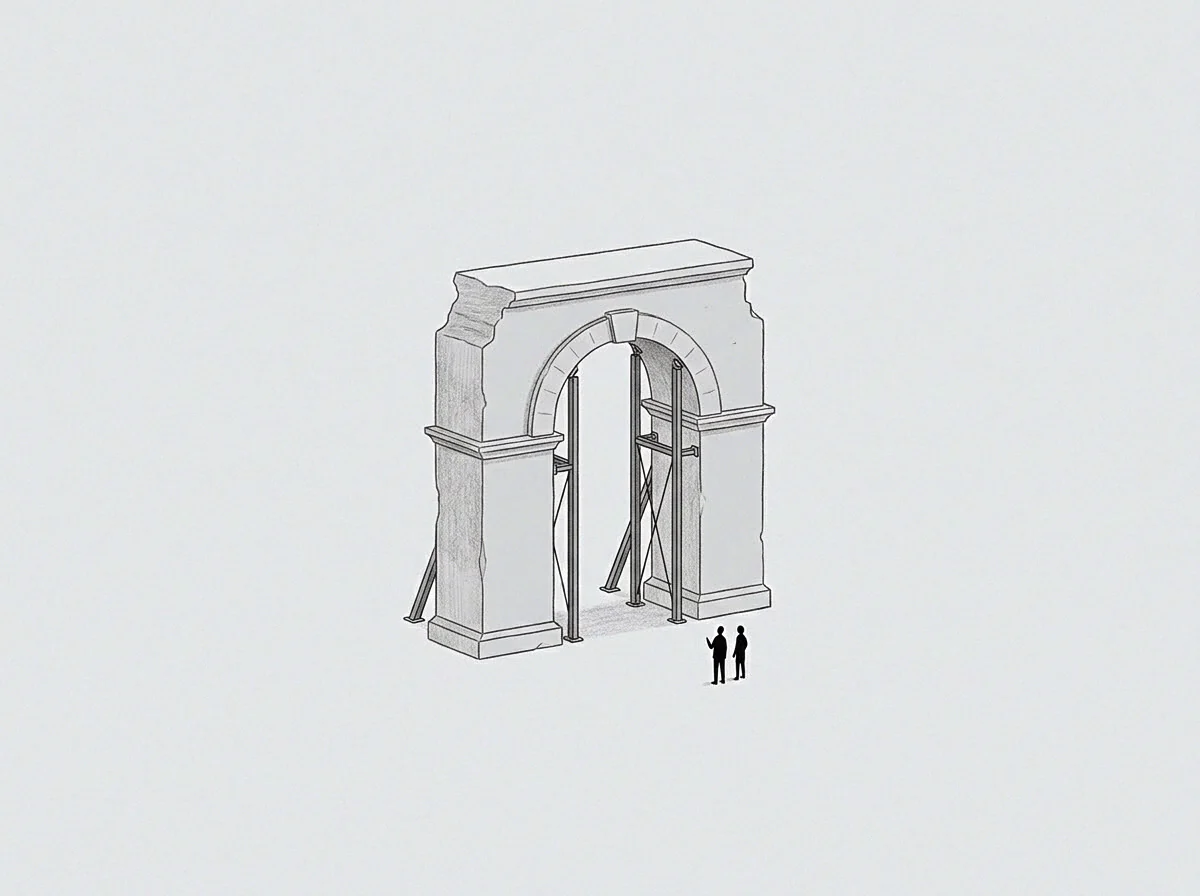
Sum
Internal cognitive friction translates into explicit financial terms through customer support pricing models and contractual service level agreements. Cost remains an internal, multi-component vector until converted into a cardinal price figure presented to an external customer. Stating the price of direct engineer access early protects technical capacity by forcing buyers to weigh the exact value of real-time support against its commercial price tag.
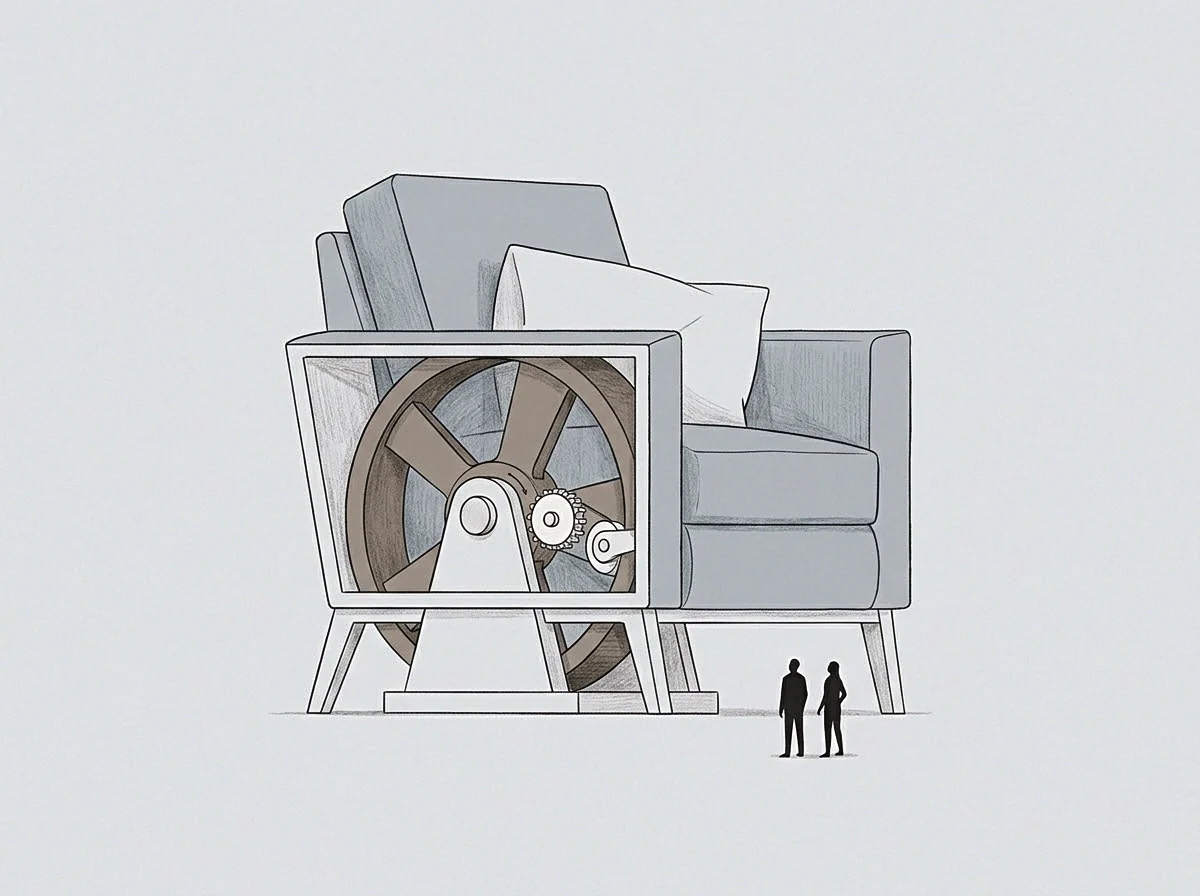
Converting Cognitive Interruptions to Explicit Terms
Translating engineering focus loss into enterprise contract addendums protects technical capacity by creating price signals for live messaging access. Price captures explicit friction. When enterprise customers request direct access channels to senior software developers, the firm must convert internal switching costs into explicit pricing surcharges.
Unpriced developer access results in customer over-consumption of live support bandwidth.
Attaching cardinal prices to direct communication channels preserves developer focus by shifting low-priority queries toward self-serve documentation and structured ticket forms. The price tag acts as a regulatory valve. If a customer values live developer access enough to pay a heavy contractual premium, the revenue offsets the resulting hit to product development speed.
The exact threshold at which customer willingness to pay for direct developer access fails to compensate for the resulting delay in baseline product velocity remains undetermined.