Meaning
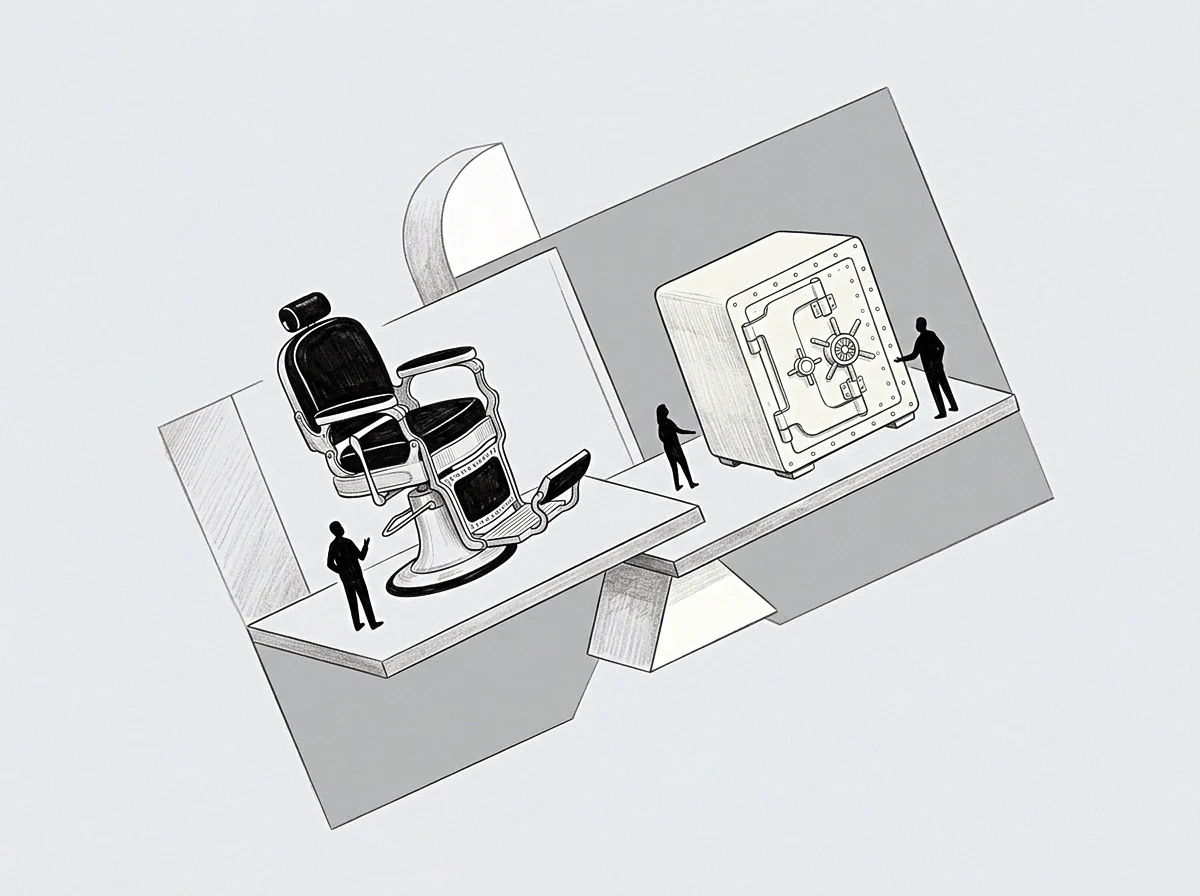
Strategic shifts of an operating entity or technical architecture from one market category or regulatory environment into another fundamentally alter operating parameters. Executing a domain transition invalidates historical operating heuristics and forces the immediate recalibration of unit economics. The entity must establish new feedback loops, customer relationships and regulatory compliances while managing existing organizational dependencies.
The concept stops applying when an organization simply launches a line extension within its existing market and compliance framework.
Heuristic Obsolescence
Operational principles that generated success in one sector frequently produce failure when applied to an adjacent but fundamentally different operating environment. During a domain transition, metrics like customer acquisition cost, sales cycle duration and gross margin baselines shift unpredictably. Management teams that rigidly apply legacy playbooks miscalculate resource requirements and timeline horizons.
Rapid survival depends on abandoning uncalibrated assumptions through disciplined empirical testing.
Frictional Exposure
Entering a new sector exposes an organization to unfamiliar regulatory burdens, competitive dynamics and technical standards. The financial cost of navigating a domain transition includes legal restructuring, specialized hiring, process redesign and temporary revenue deceleration. Organizational capacity becomes fragmented as attention splits between sustaining legacy operations and establishing the new commercial footprint.
Misjudging the structural friction of the new environment depletes working capital reserves rapidly.
Capability Adaptation
Successful realignment requires restructuring core technical and commercial capabilities around the unique demands of the target sector. When executing a domain transition, engineering teams must refactor codebases and product workflows to meet new customer expectations. Commercial teams rebuild sales collateral and pricing structures to reflect industry-specific value capture models.
The organization achieves operational stability only when unit economics normalize within the new competitive landscape. A domain transition tests whether an organization can convert abstract core competencies into specific commercial execution.