Meaning
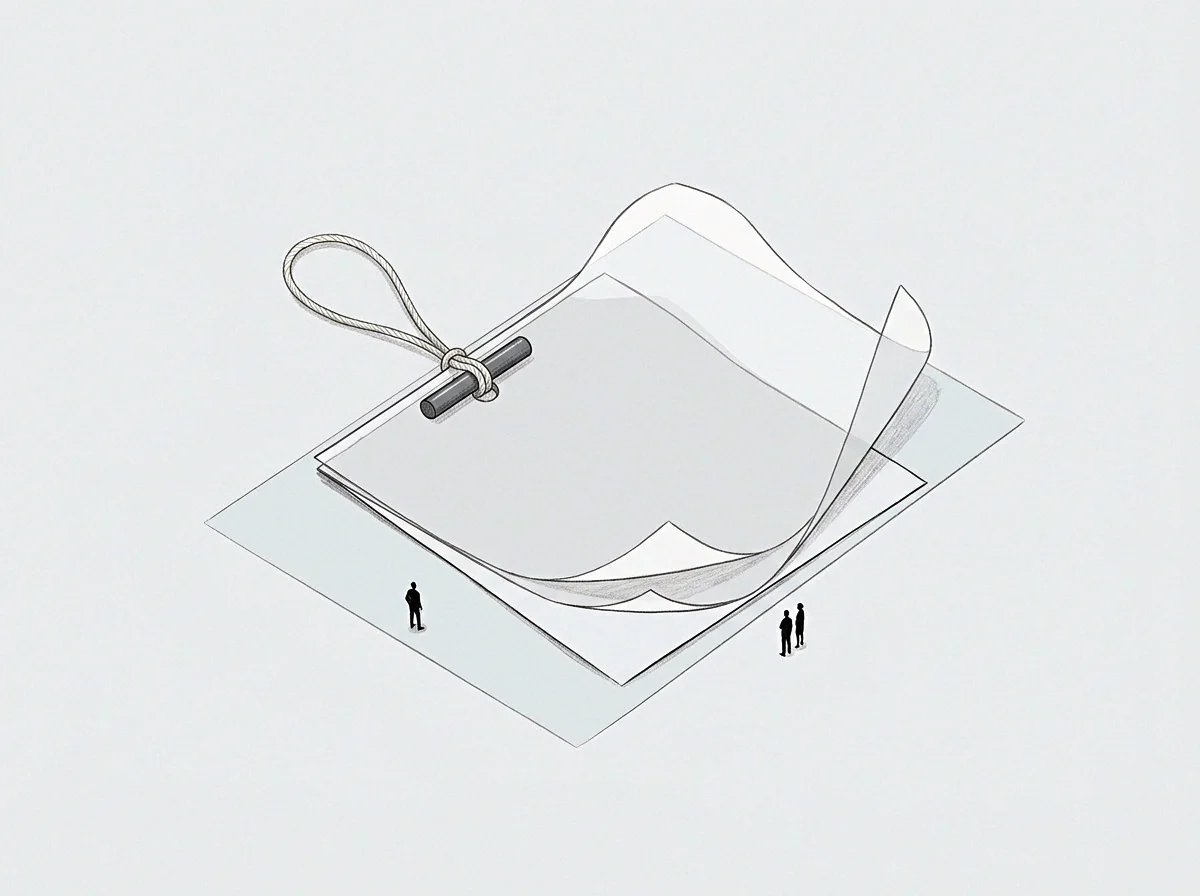
A measure of the resistance encountered during the liquidation of an asset or the withdrawal of committed capital. This term describes the gap between the nominal value of a credit line or investment commitment and the actual usable cash that reaches an operating account. In many instances, drawdown friction arises from legal covenants, administrative processing times, audit reviews and third party verification requirements.
It functions as an ordinal cost that increases when market volatility forces more frequent or larger transfers. This value determines the effective liquidity of a company by accounting for the temporal and financial drag on cash movements.
Operational Delay
Administrative hurdles often prevent the immediate use of funds. When a founder requests a withdrawal, drawdown friction appears as the time taken for approval and the fees associated with the transfer. This delay forces the entity to hold larger cash buffers than would otherwise be necessary.
Capital Availability
The total amount of accessible funds remains lower than the committed amount due to these costs. If the drawdown friction remains high, the cost of capital effectively increases because the company pays interest or fees on the full commitment while only using a portion. This relationship scales with the complexity of the financial agreement and the number of intermediaries involved.
Liquidity Management
Managing the timing of withdrawals reduces the impact of these frictions. A structured schedule of transfers ensures that cash arrives before it is needed for operations. This process requires a balance between the cost of holding idle cash and the cost of the friction itself.
Efficient systems minimize the number of touchpoints required for each transaction.