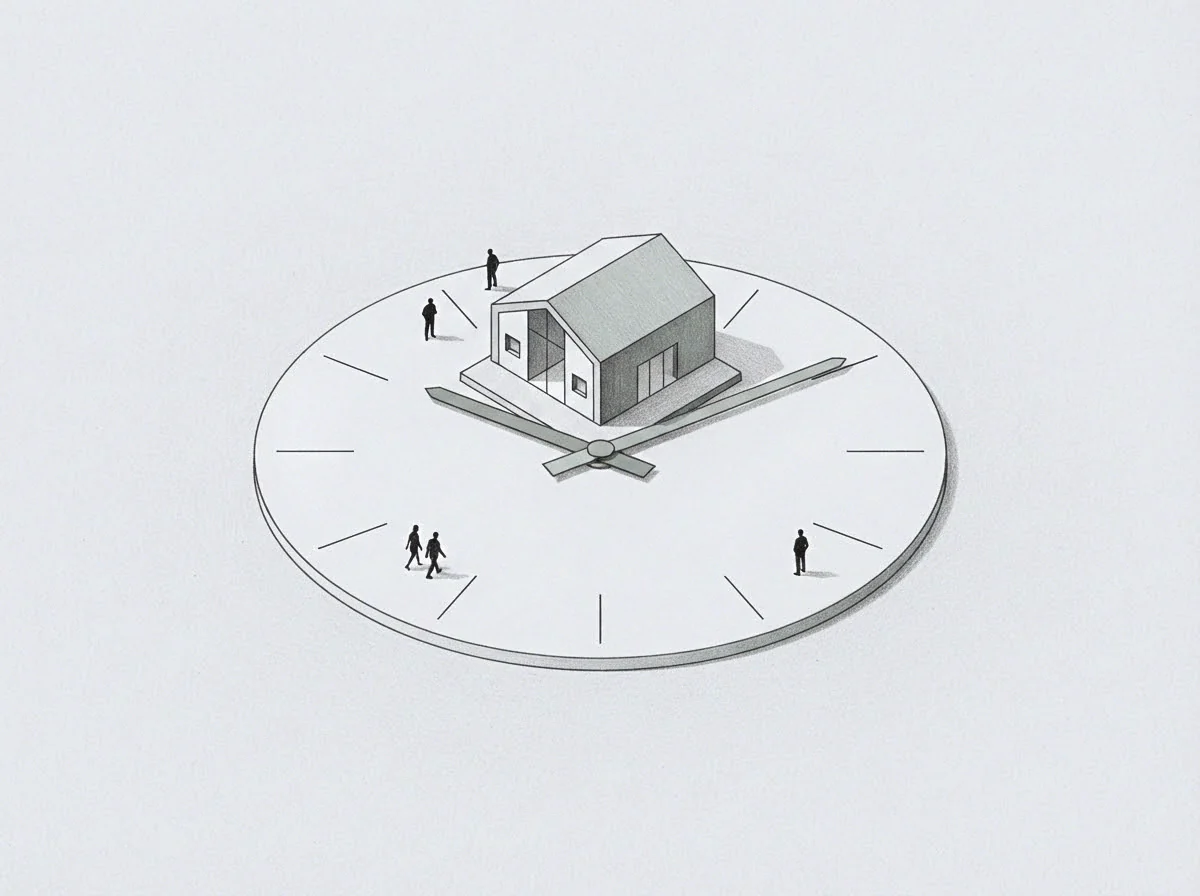
Meaning
Long-term changes in performance require systematic categorization to identify their root causes. Through drift decomposition, an analyst breaks down the cumulative deviation of a metric into distinct, causal sub-components. This analytical method separates structural shifts from temporary disturbances.
Trend Extraction
Over time, a metric will wander from its initial calibration. Applying drift decomposition isolates the steady, long-term trends from the cyclical patterns that recur over fixed intervals. This separation ensures that strategic planning is based on the underlying trajectory rather than seasonal variations.
Source Allocation
Determining which factors contributed to a performance gap is essential for corrective action. The decomposition process assigns specific proportions of the overall drift to internal process changes or external shifts. This systematic attribution prevents the misdirection of resources toward fixing internal workflows when the true driver of the deviation is a shift in market conditions.
By quantifying each source, the leadership can make informed decisions about whether to adapt the internal strategy or accept the new baseline.
Diagnostic Outcome
The primary output of this analysis is a clearer understanding of system decay. It helps managers recognize when a process has naturally degraded to the point of needing re-engineering. This proactive maintenance prevents unexpected failures.