Meaning
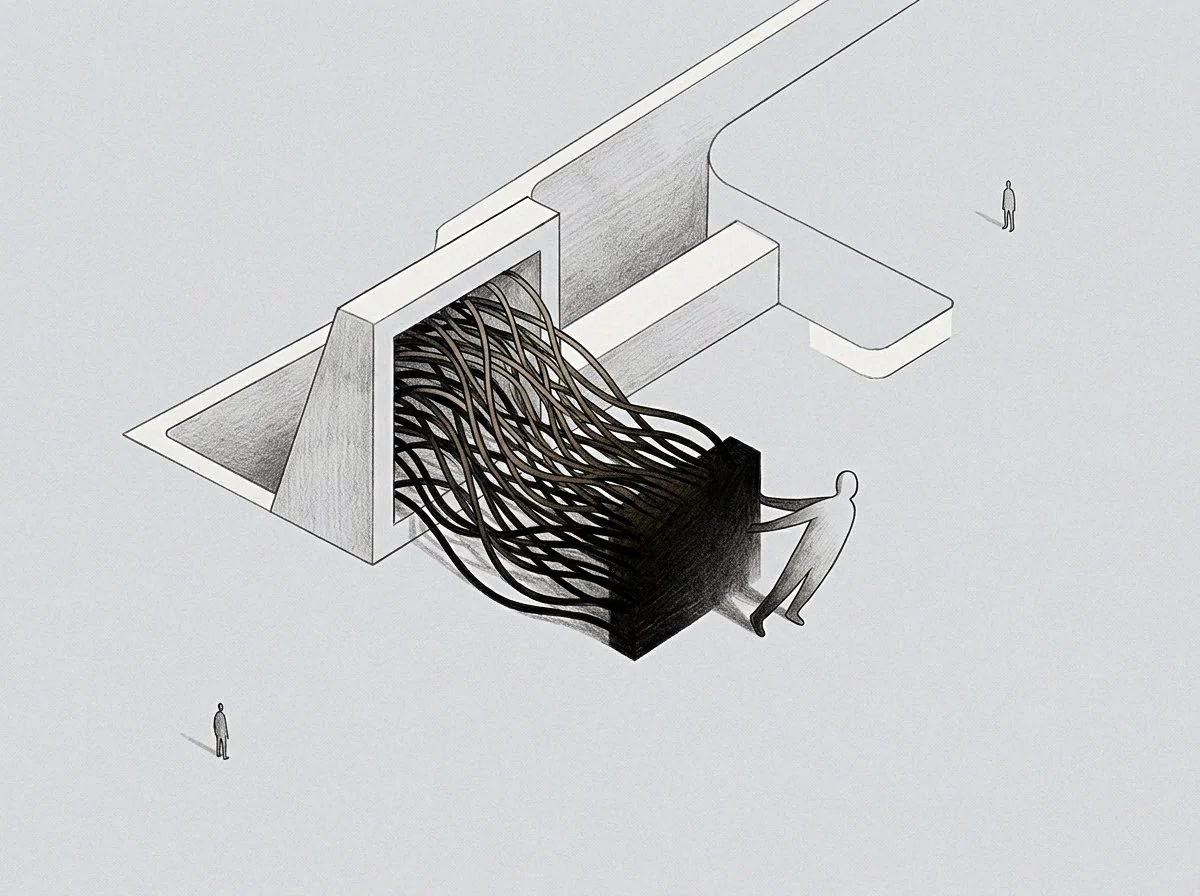
A sudden discharge of resource capacity occurs after a major milestone is completed. This energy release represents the shift from high-tension concentration to a more relaxed operational state, often manifesting as a drop in active attention or working hours. It sits on an ordinal scale of focus and effort.
Resource Expenditure
Post-milestone environments often experience a noticeable reduction in output as teams recover from intense pressure. The occurrence of an energy release can lead to a temporary drop in productivity, which is a normal part of the operational lifecycle. Managing this period prevents prolonged stagnation.
Systemic Rebound
Alternating between intense focus and planned recovery helps maintain long-term organizational capacity. After a major product launch, a planned energy release allows engineers to rest before starting the next development cycle. This structured downtime helps prevent burnout and encourages team stability.
For instance, a founder who has worked eighty hours a week leading up to an acquisition may scale back to thirty hours, letting the newly formed organization settle. This reduction in labor hours is a measurable shift in focus.
Tension Boundary
The utility of tracking this transition ceases when the organization remains in a permanent state of crisis. If the operational pressure never subsides, the energy release cannot occur, leading to system failure or high attrition rates. Continuous stress without recovery limits the long-term sustainability of the team.