
Short-Term Task Recovery Mechanics in Interrupted Software Engineering Teams
Software task recovery requires active cognitive re-execution of suspended mental state, consuming fifteen to twenty-five minutes per technical interruption.
Software task recovery requires active cognitive re-execution of suspended mental state, consuming fifteen to twenty-five minutes per technical interruption.
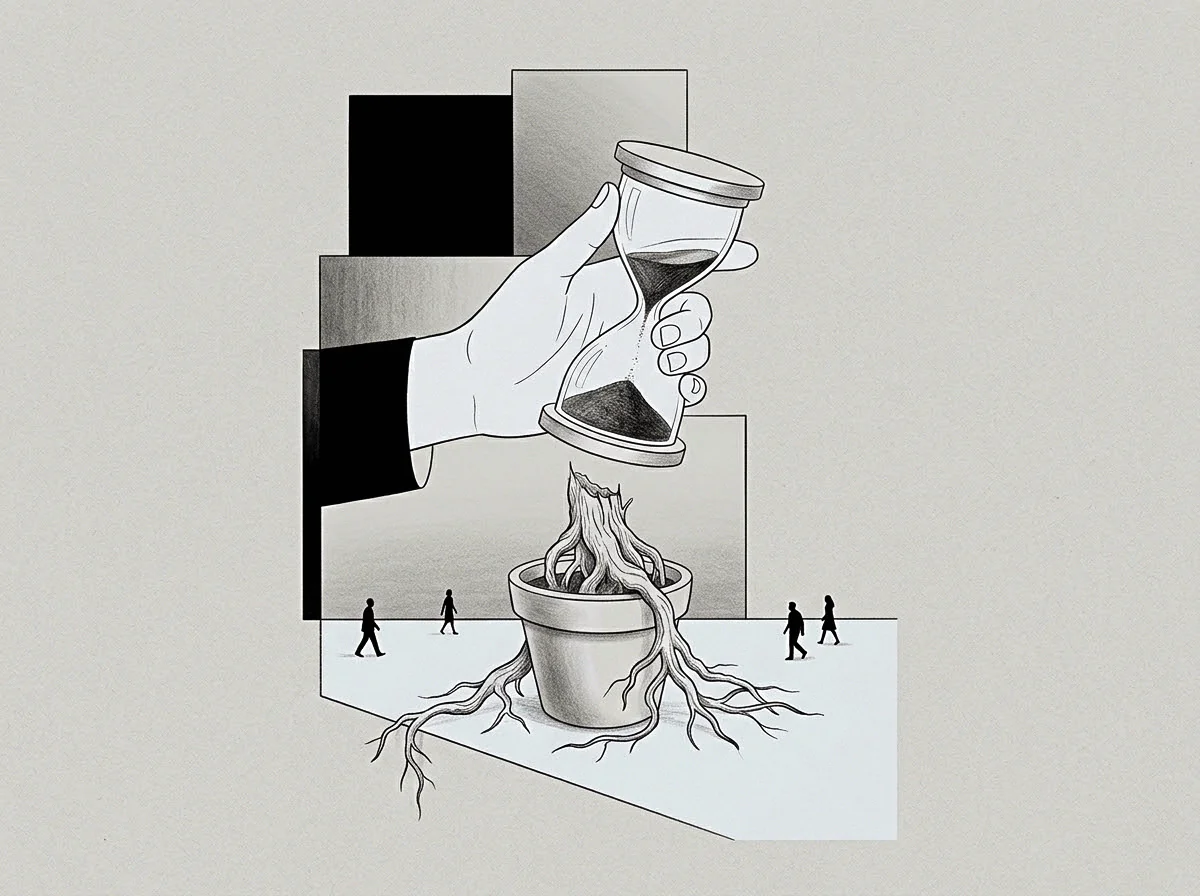
Decay rate vectors measure output degradation across early execution reference classes by comparing live baseline readings against historical performance windows.
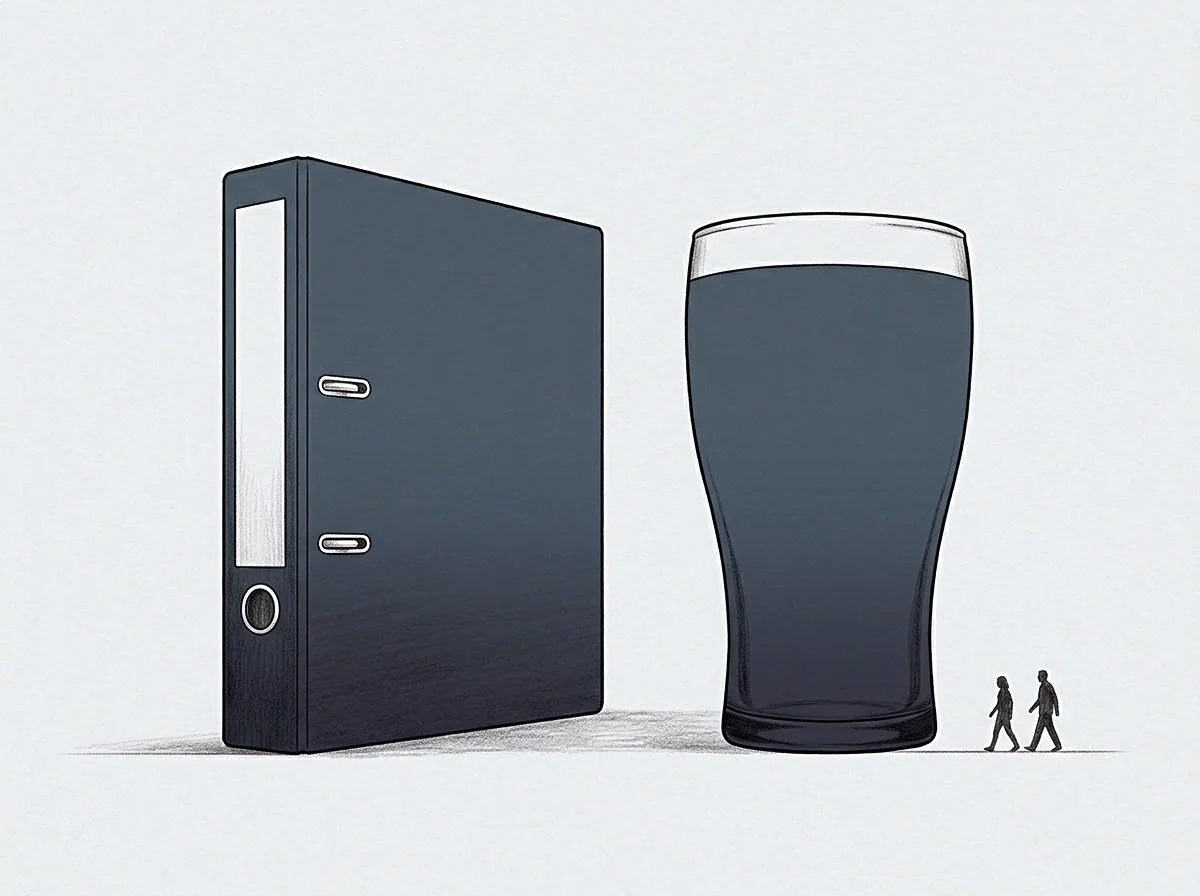
Capacity degradation rates in unshielded workflows measure throughput loss caused by context switching, interrupt friction, and unbuffered task queues.
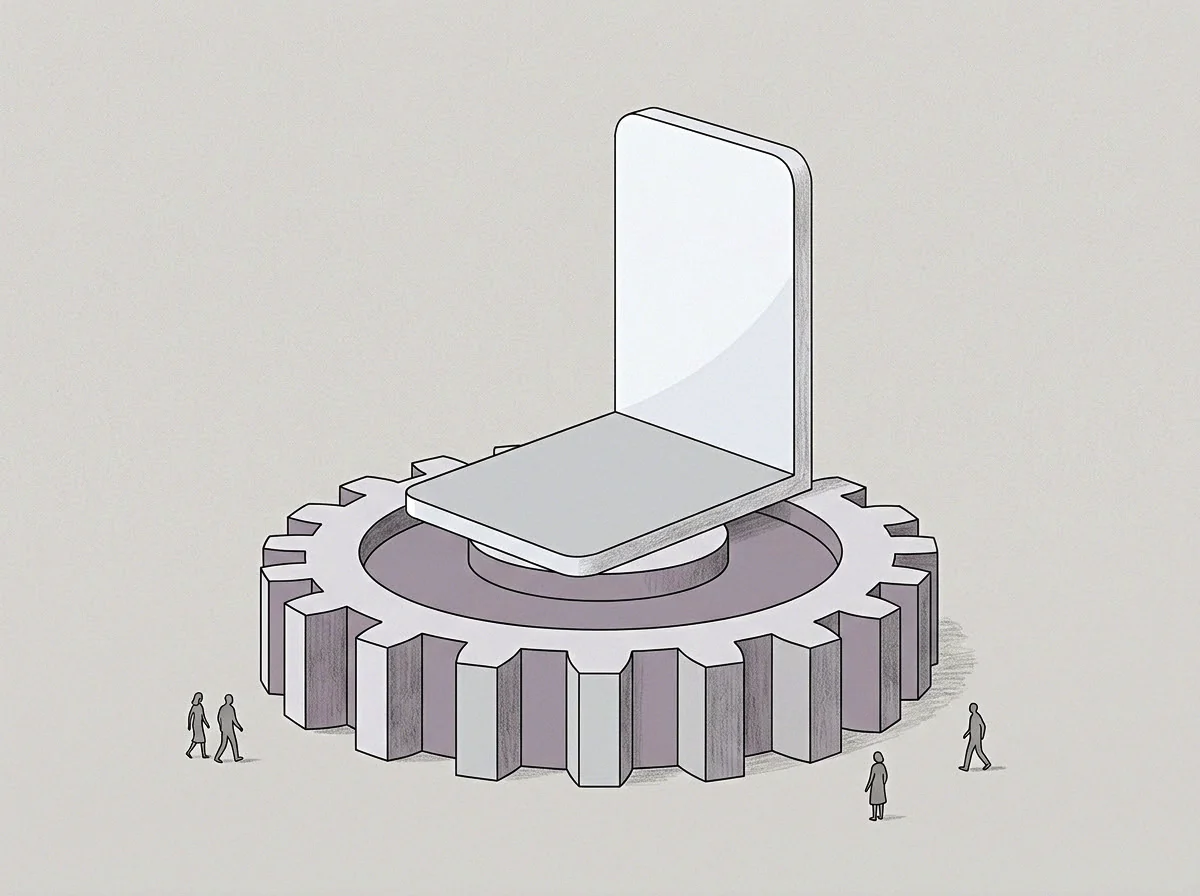
Rotational shielding isolates technical teams from context switching costs by assigning a rotating sentry operator to absorb incoming operational noise.

Context switching imposes an ordinal attention drain that degrades technical reasoning far beyond the cardinal minutes an interrupt consumes.
The terms are written where they belong. Each field holds three desks, and every entry a desk writes raises the terms it uses, each term given a meaning, a mechanism and the places it appears. The record on these pages stays first person and hand made; the fields grow the nomenclature.