Meaning
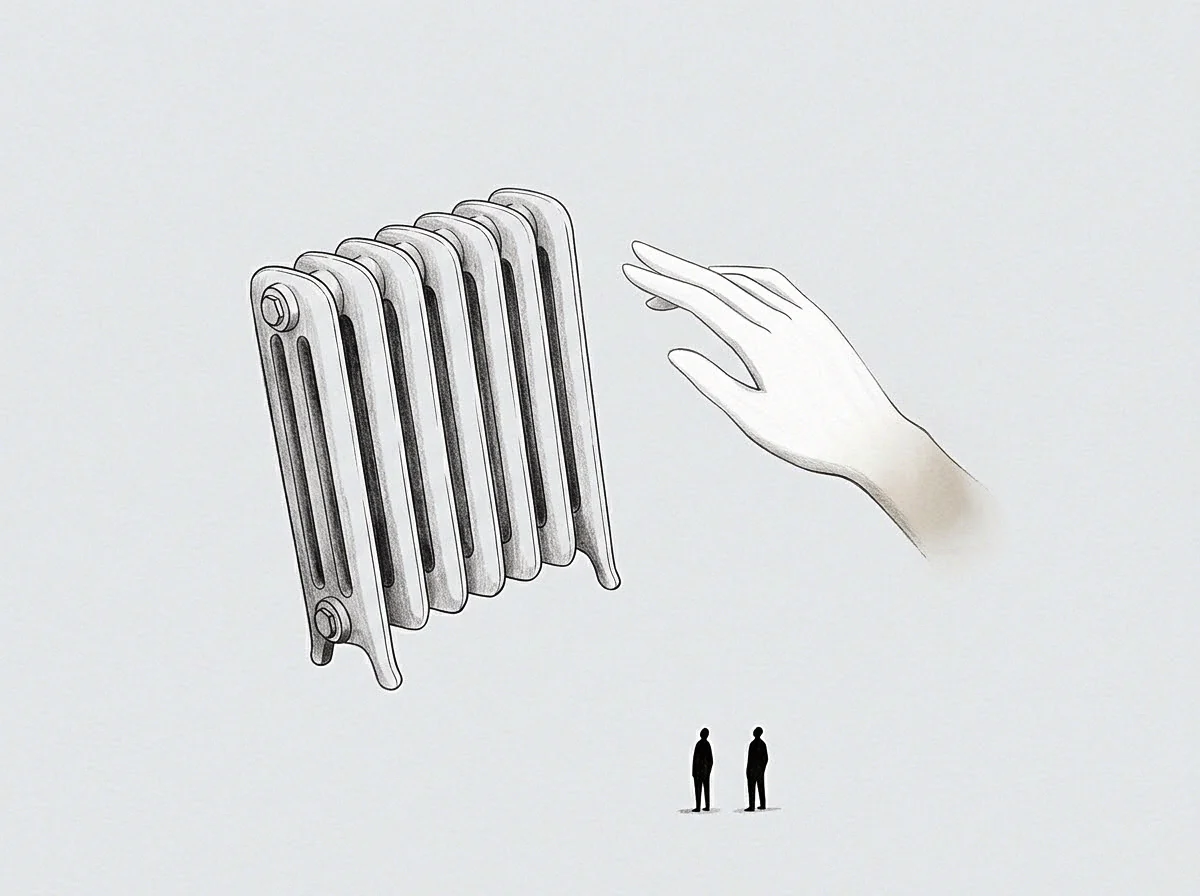
Physical asset lifecycle governance directs the systematic substitution of industrial machinery when cumulative wear renders continued repairs financially unsound. Equipment replacement represents the physical retirement of degraded hardware and the commissioning of updated mechanical units within an ongoing production workflow. The intervention measures machine reliability metrics and rising upkeep costs against the cardinal acquisition price of new industrial machinery.
This operational transition concludes once the obsolete equipment is decoupled from the production floor and replaced by commissioned hardware.
Economic Threshold
Decision frameworks model the boundary where operating expenditures for aged assets overtake the amortised capital expenditure of acquiring modern units. As machines age past their design life, mean time between failures contracts while spare part lead times expand. Initiating equipment replacement becomes financially necessary when unscheduled downtime losses exceed the financing costs of a new machine.
Technicians log component failures and production scrap to pinpoint this transition. Postponing substitution beyond this inflection point degrades plant margins through compounding maintenance costs and compromised product quality.
Decommissioning Sequence
Extracting retired production hardware requires structured logistical execution to protect surrounding facility infrastructure. Technicians isolate utility connections, drain hydraulic fluids, disconnect electrical panels and dismantle structural footings before cranes extract heavy equipment. The equipment replacement workflow schedules physical extractions during planned facility outages to prevent uncontrolled factory downtime.
Discarded machines undergo scrap reclamation or hazardous material disposal according to regulatory mandates. Documenting this removal clears industrial floor space for incoming mechanical installations. Alignment checks and foundation reinforcements ensure structural compatibility with the next generation of industrial equipment.
Heavy anchoring plates receive ultrasonic testing before workers anchor the new machinery to the concrete floor. Precision leveling completes the structural preparation phase.
Operational Substitution
Commissioning fresh machinery introduces temporary calibration delays before standard production speeds resume. Modern equipment replacement cycles incorporate digital integration and mechanical recalibration during initial start-up phases. Operators evaluate new units against baseline output specifications to verify energy efficiency and component tolerance improvements.
Early production runs validate whether the newly installed machinery delivers projected capacity gains.