Meaning
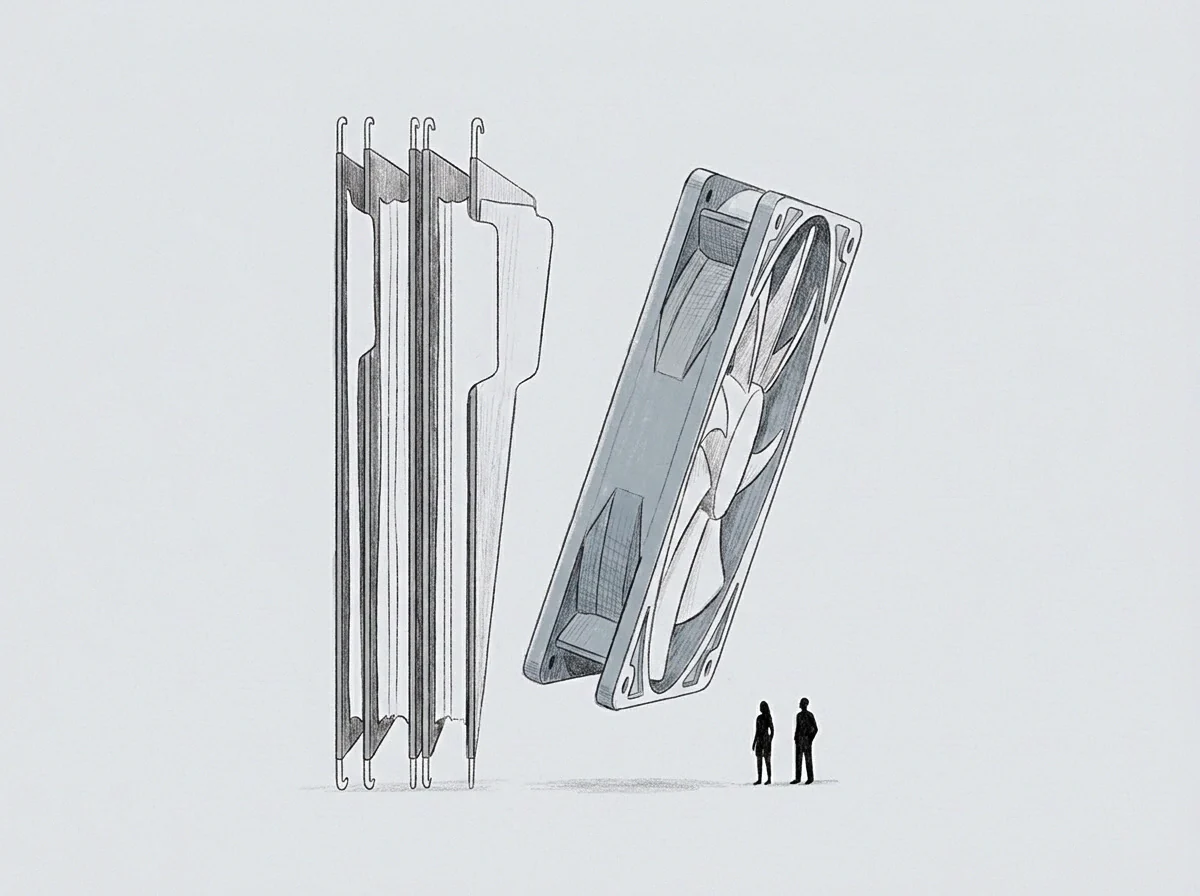
Localized atmospheric condition represents the distinct set of temperature, humidity, and airflow patterns that exist within a small, defined area. A microclimate can form inside a server rack, a greenhouse, or a specific zone of a manufacturing facility. Monitoring these localized zones is essential for protecting sensitive hardware and optimizing environmental controls.
Localized Variance
Temperature gradients often emerge in enclosed spaces where heat sources are unevenly distributed. Within a data center, a specific microclimate can develop around a single high density cabinet, leading to localized thermal stress that general room sensors fail to detect. Continuous localized monitoring prevents these hidden hotspots from causing hardware failures, ensuring that cooling resources are directed precisely where they are needed most.
Measurement Tool
Sensor deployment must be dense enough to capture the spatial variations in these localized zones. To map each microclimate accurately, technicians position multiple temperature and humidity instruments at varying heights and positions within the enclosure. This distributed instrumentation strategy provides the high resolution data required for precise airflow management.
Operational Impact
Control adjustments are made based on the observed differences between localized zones and the general environment. Once a critical microclimate is identified, ventilation systems can be redirected or cooling resources reallocated to address the specific hotspot. This targeted response reduces energy waste by cooling only the areas that require thermal intervention.