Meaning
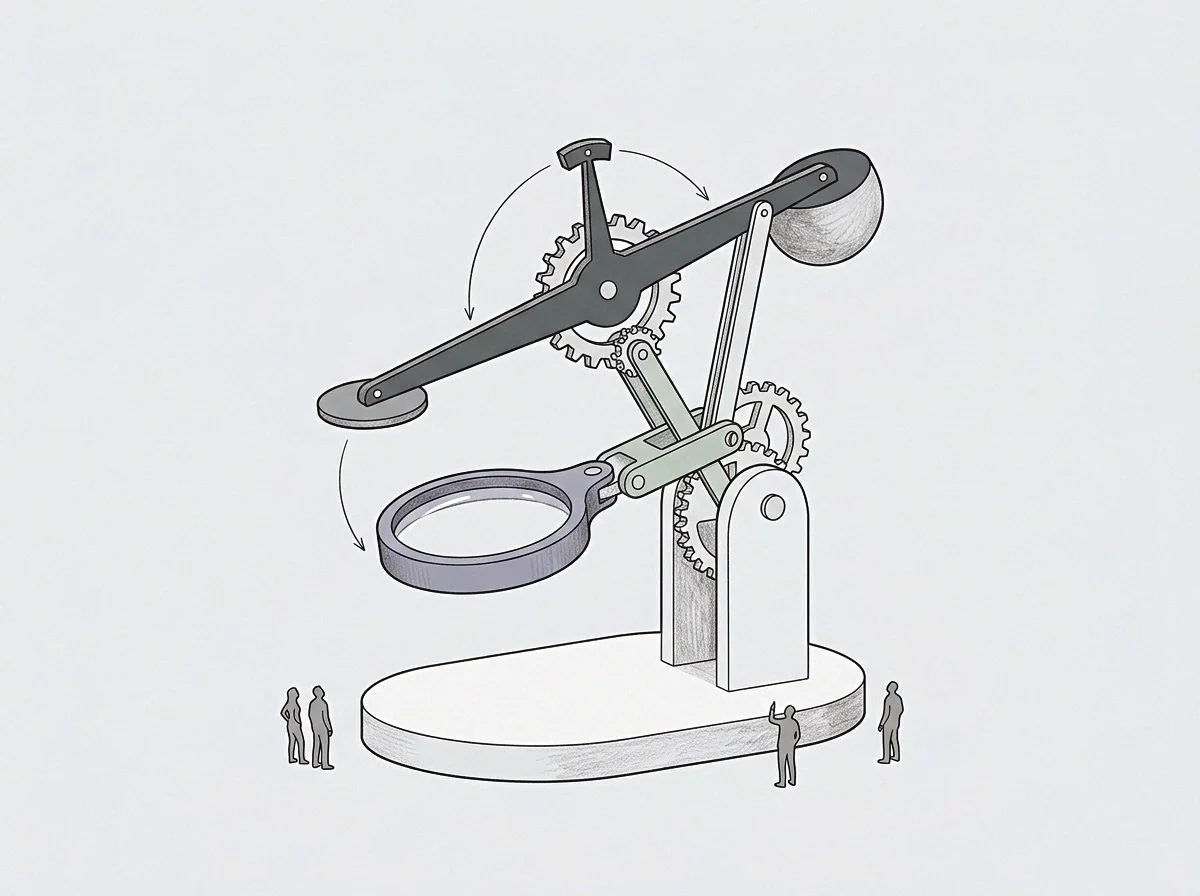
System limits that define the maximum capacity of a team or technology to complete tasks without failure constitute an essential risk constraint. This threshold, known as the execution boundary, marks the transition between predictable delivery and chaotic operational degradation. It separates activities that can be comfortably automated from those requiring intensive human intervention.
By identifying where this limit lies, organizations prevent catastrophic project overruns and service interruptions. Knowing this threshold enables a firm to maintain stable client commitments and avoid the financial penalties associated with unfulfilled contracts.
Operational Limit
Performance degradation occurs rapidly when tasks are pushed beyond established safety parameters. Crossing the execution boundary often results in missed deadlines and broken workflows as teams struggle to manage unexpected complexity. It provides an objective baseline for capacity planning rather than relying on optimistic projections.
Managers utilize this understanding to distribute workloads safely and maintain consistent delivery quality.
Resource Constraint
Resource depletion represents the primary driver of systemic bottlenecks in high-growth environments. When the execution boundary is reached, further allocations of capital or labor fail to yield proportional increases in output. Instead, the administrative cost of coordinating these additional resources degrades overall efficiency.
Recognizing these points of diminishing returns prevents the wasteful expansion of teams.
Mitigation Protocol
Redesigning workflows and automating routine tasks can shift the operational limits of an organization outward. This shift alters the execution boundary, allowing the team to handle higher volumes of work without a corresponding increase in head count. Such interventions demand a detailed understanding of the steps in the production process.
A well-designed system continuously monitors these thresholds to trigger alerts before systemic failures occur.