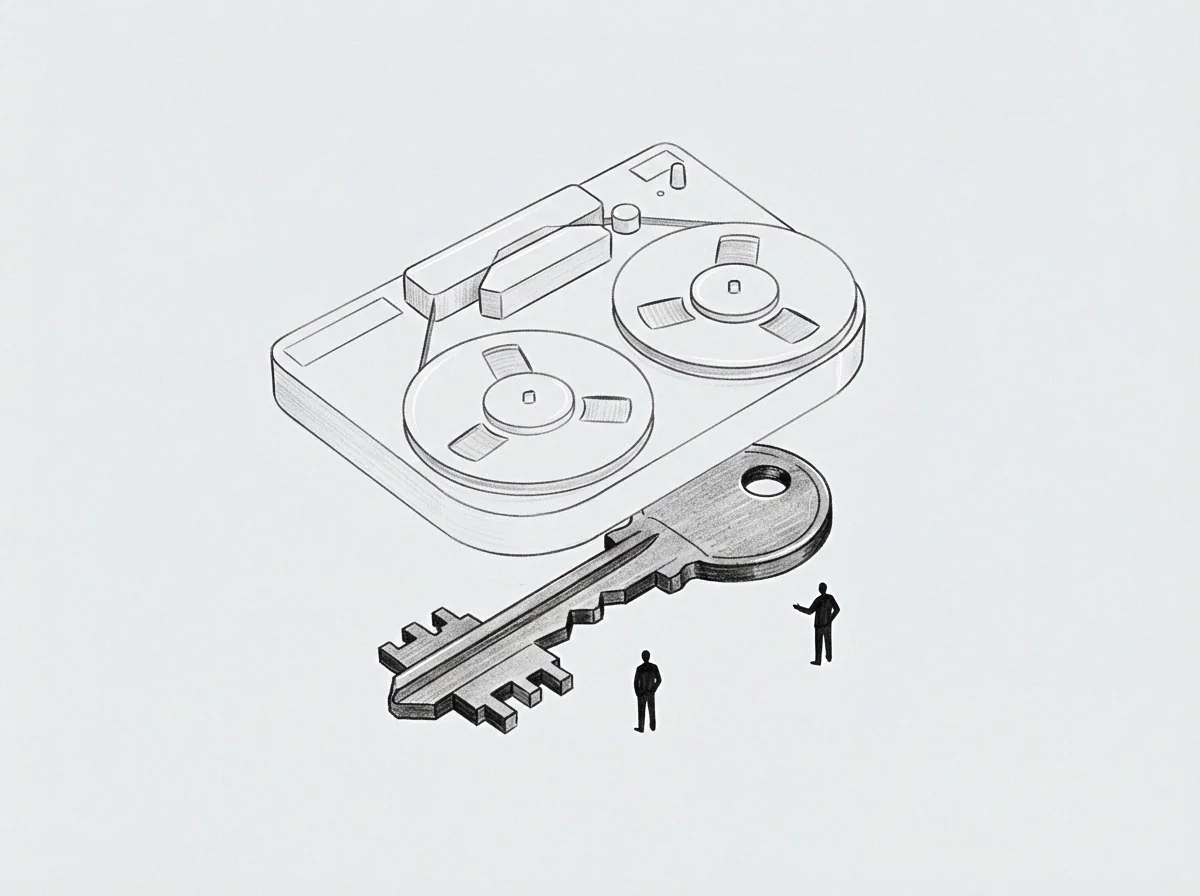
Meaning
Data packets flowing from operational output back to the original source define the feedback signal as a closed loop measurement. This feedback signal acts as a quantitative stream of information documenting deviations between projected performance and actual results. Systems rely on this transmission to adjust control parameters in real time.
Operational Frequency
Regularity of transmission dictates the resolution of the recorded data. A feedback signal requires a consistent interval to distinguish between momentary variance and systemic shift. Higher frequencies permit finer tuning of internal components but increase the processing load on the observer.
Slow intervals introduce lag that prevents the correction of drift before the discrepancy becomes irreparable.
Measurement Logic
Continuous monitoring of system outputs provides the basis for this metric. Practitioners observe the feedback signal to determine whether the deviation remains within the established threshold of tolerance. Cardinal values track the absolute delta while ordinal rankings describe the direction of the trend.
Precise calculation allows for the segregation of noise from signal without requiring subjective interpretation.
Transmission Dynamics
Path dependencies limit the speed at which a feedback signal reaches the decision point. Interference during the transit of this data often obscures the accuracy of the underlying metrics. Structural obstacles within the communication line distort the information before arrival.
A clean return path ensures that the information reflects the actual state of the output. Reliability depends on the integrity of the channel rather than the volume of the data transmitted.