Meaning
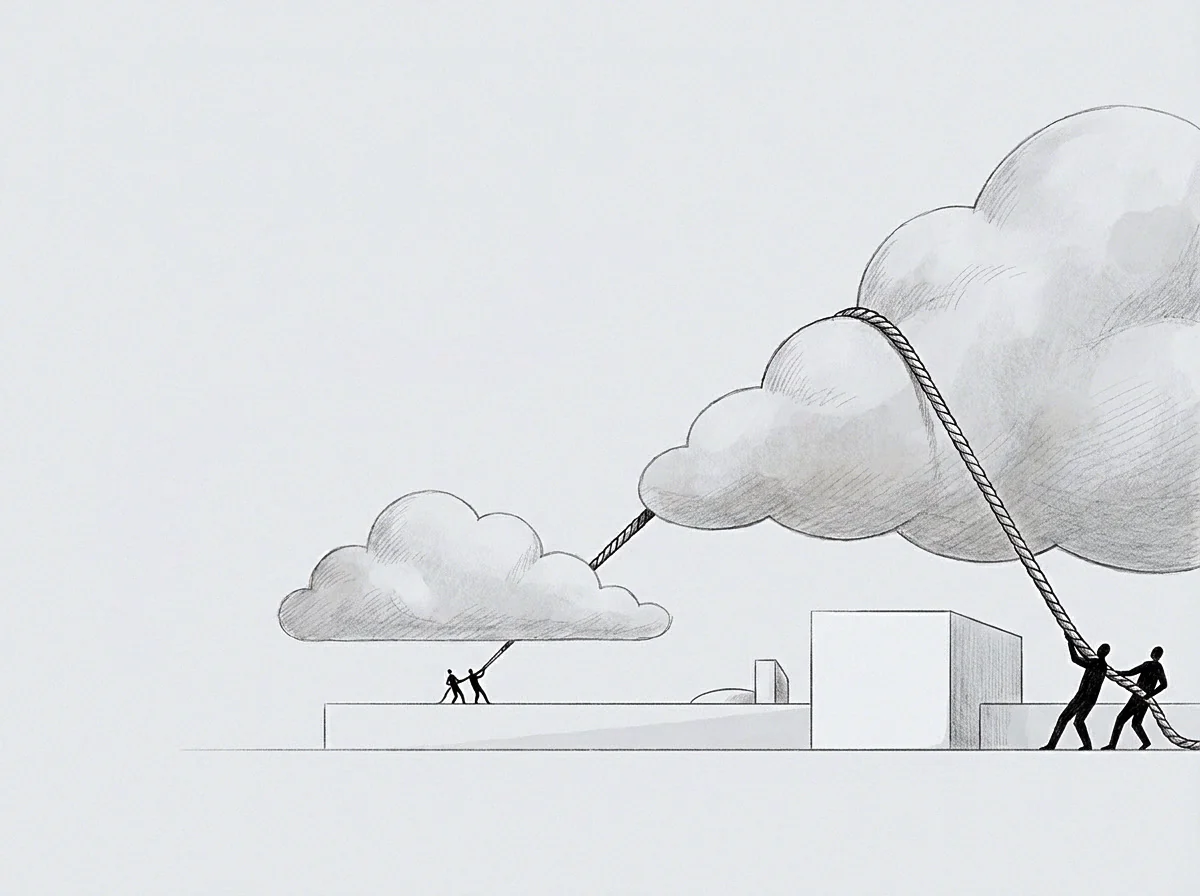
Disruption metrics quantify the rate at which external events or unscheduled demands halt planned activities. Measuring the interrupt frequency provides a numeric value representing how many times per hour or day a professional has their focus broken by notifications, queries, or meetings. This count serves to establish a baseline for cognitive continuity.
Rate Assessment
High counts of disruptions indicate an environment that prioritizes immediate response over deep work. To analyze the interrupt frequency, digital logging systems track context switches caused by email alerts or messaging applications. These events are plotted over a standard workday to identify peak disruption periods.
Productivity Drain
Every disruption forces a cognitive reload that consumes time and mental energy before the original task can resume. A high interrupt frequency delays the completion of complex analytical projects because the individual must repeatedly reconstruct their mental model of the work. This constant shifting creates a sense of fatigue that reduces the quality of decisions made during the latter half of the day.
In contrast, a low disruption rate allows for extended periods of focused concentration, which speeds up project delivery and reduces the error rate in strategic planning.
Mitigation Protocol
Structural shifts in communication policies can lower the number of daily disruptions. Restricting real-time communication to specific windows or using asynchronous updates helps manage the interrupt frequency. This strategy ensures that deep focus is protected during high-value hours.