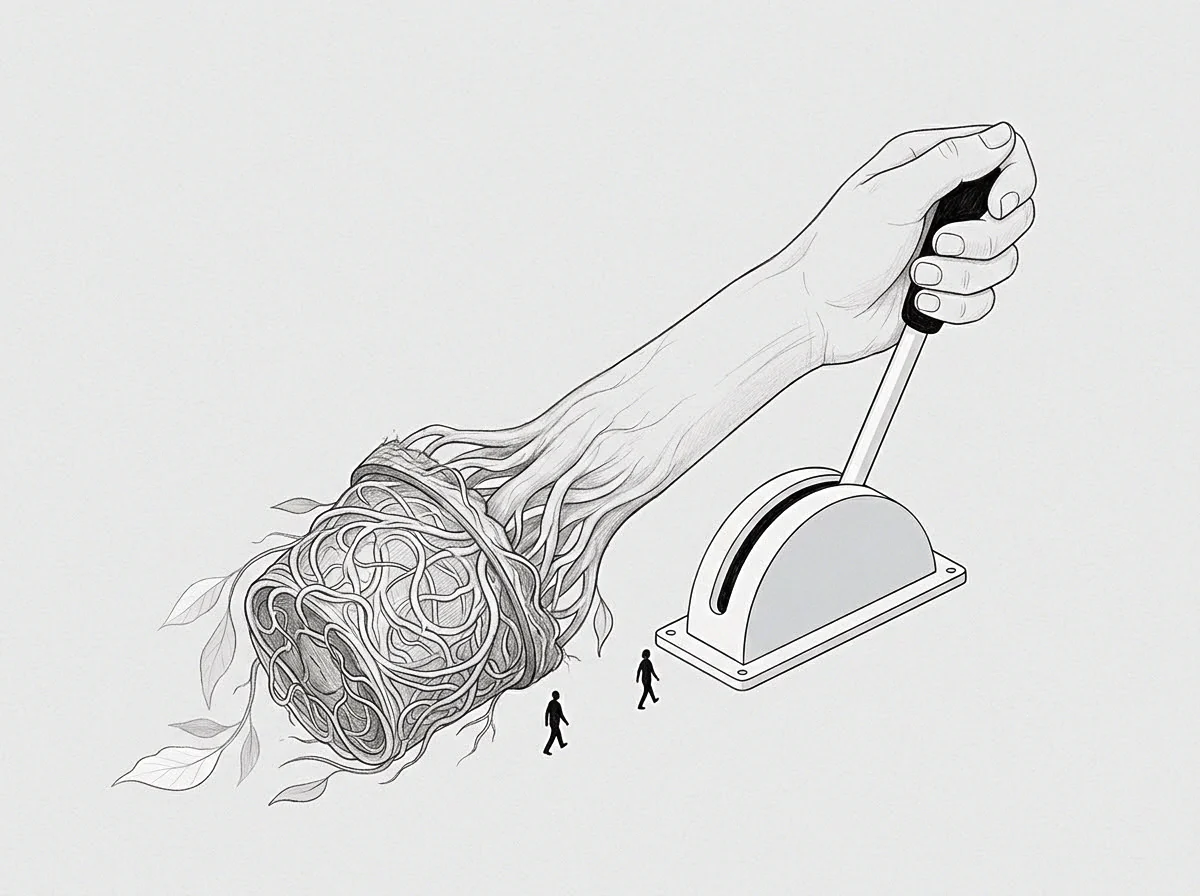
Meaning
Unrealized value accumulates when completed assets or work products remain unreleased to the market. In a business context, inventory on shelf represents the capital and labor locked in items that have not yet generated a return. It is a cardinal measure of waste in a production cycle that prioritizes output over delivery.
Capital Lock
Resources sitting idle represent a missed opportunity for reinvestment. Inventory on shelf binds the liquidity of an operation, making it harder to pivot when new information arrives. The longer an item remains on the shelf, the higher the risk that its value will depreciate due to obsolescence.
Opportunity Cost
Every dollar spent on unreleased work is a dollar that cannot be used elsewhere. The inventory on shelf highlights a failure in the distribution or sales pipeline. Reducing this figure involves tightening the loop between the creation of a product and its presentation to the customer.
Decay Gradient
Value is often time-sensitive and begins to drop the moment production ends. High levels of inventory on shelf indicate a mismatch between the pace of manufacturing and the reality of demand. If the work is digital, this decay manifests as the product becoming outdated relative to the competition.
This gradient is measured by comparing the age of the inventory to its current market price. Minimizing this gap is the primary goal of lean methodologies.