Meaning
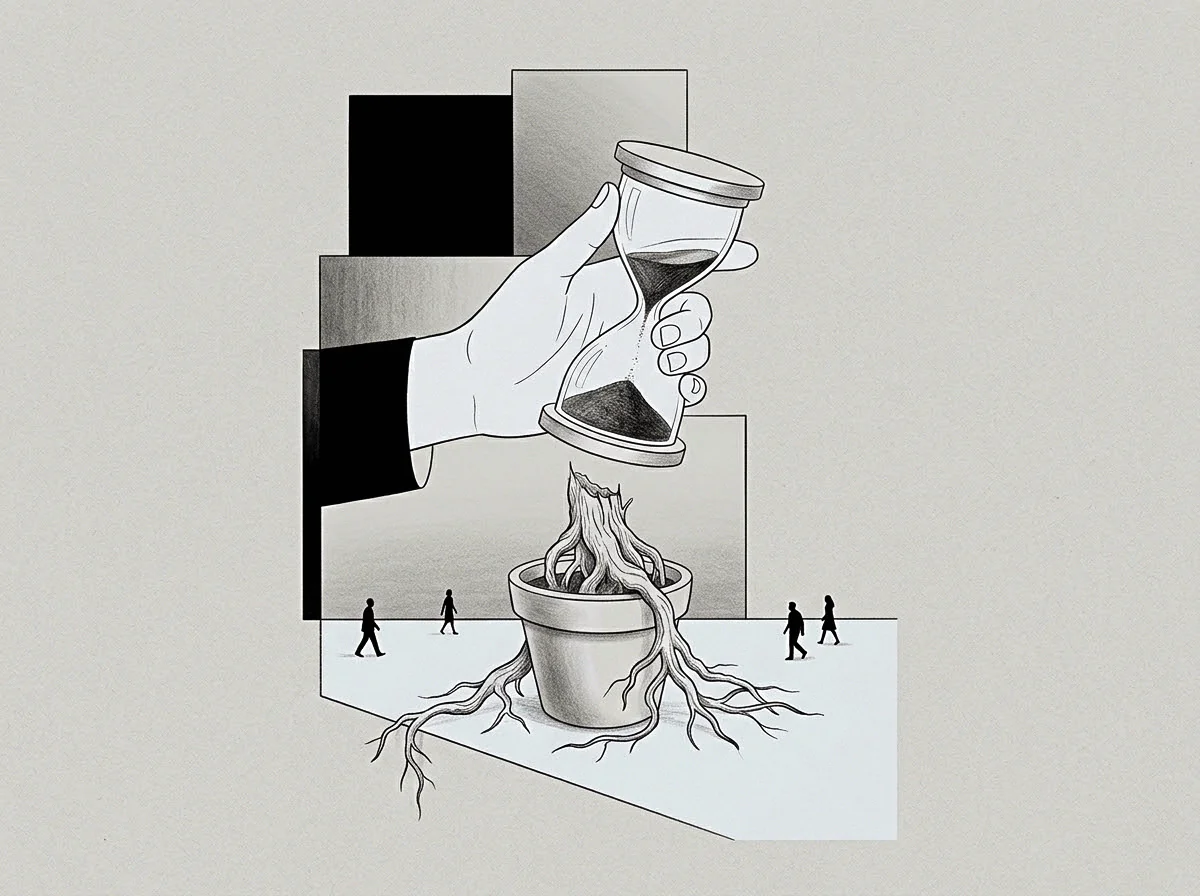
Financial and temporal tracking frameworks record cycle-specific expenditure during product and operational redesign phases. Across post-founding development loops, iteration cost measures the total expenditure in capital and engineering capacity required to execute a single cycle of change. The metric combines cardinal financial figures with ordinal focus metrics to establish the price of experimentation.
The scope stops applying when operational designs stabilize into permanent manufacturing or service standards.
Resource Consumption
Pivots and adjustments require continuous commitment of limited organizational resources. Calculating the iteration cost for product modifications prevents unmonitored capital erosion during discovery phases. High expenditure per cycle reduces the total number of strategic attempts an enterprise can execute before capital exhaustion.
Efficient resource control preserves runway during volatile market testing periods.
Cycle Friction
Structural complexity increases the physical and cognitive effort required to modify existing workflows. Monitoring iteration cost over successive deployments indicates whether organizational scale is increasing procedural friction. Complex governance layers elevate the marginal price of minor operational adjustments.
Lowering cycle expenses enables faster adaptation without risking venture solvency.
Economic Ceiling
Experimentation becomes non-viable when modification expenses exceed potential value capture from resulting improvements. At this boundary, iteration cost renders continuous refinement uneconomic, forcing a shift to fixed execution.