
Measuring True Service Cost Across Common Pricing Models
True service expenditure is an ordinal vector of labor, capacity, and attention that cardinal pricing models routinely obscure and fail to compensate.
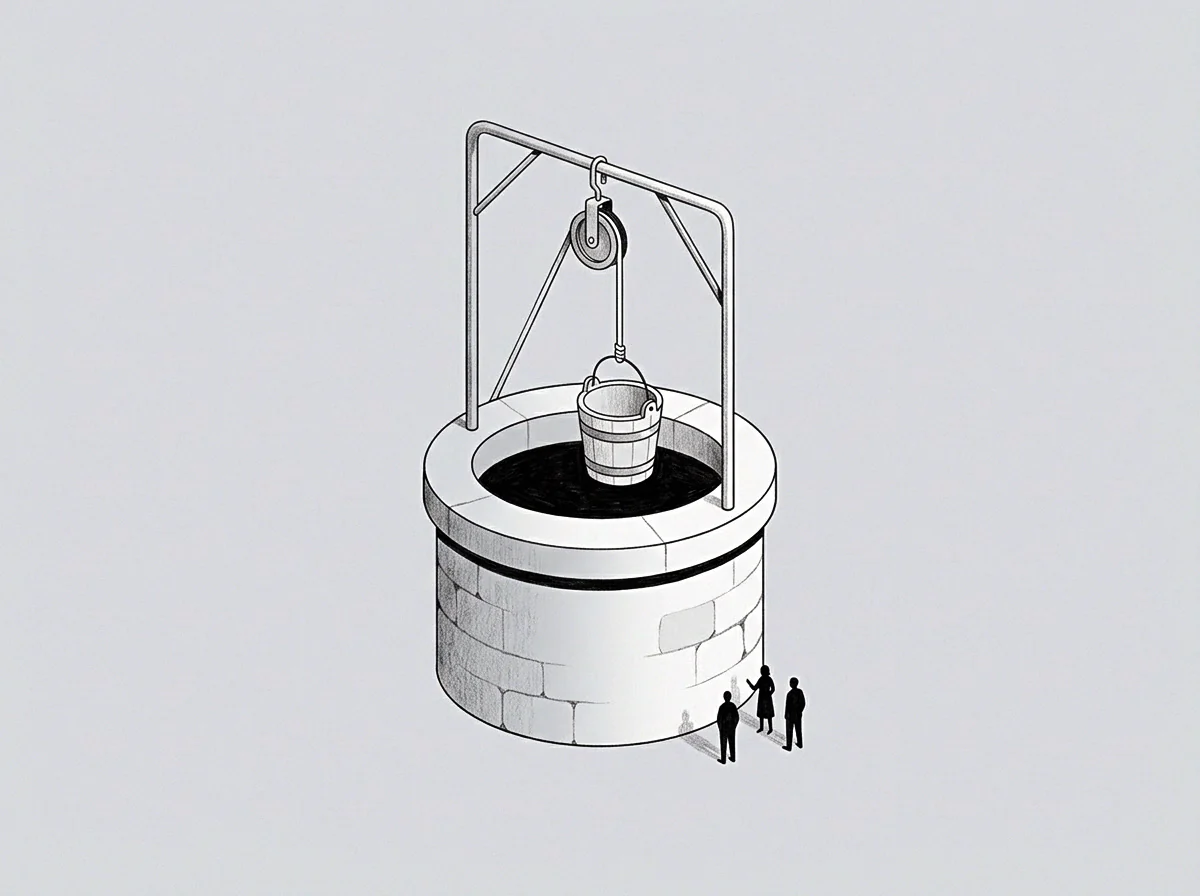
Desk
An agency spreadsheet recorded forty thousand dollars in monthly retainer revenue while technical leads stayed past midnight answering client messages. Gross margin showed seventy percent on paper. In practice, three senior engineers drafted resignation letters after twelve daily status updates broke up their engineering blocks.
The cash deposit hid how quickly operational endurance was running out, keeping the firm nominally solvent until delivery obligations collided with team exhaustion.
Commercial transactions compress multidimensional costs into a single figure. An engagement draws on several resources at once: billable hours, direct expenses, delivery capacity, team attention, and residual learning. Direct costs add up linearly, but organizational depletion is ordinal.
An operator evaluates whether one commitment taxes the team more heavily than another, rather than adding up identical units across accounts.
A contract remains destructive whenever the rate of internal capacity consumption exceeds the replenishment provided by client payment.

The Multiplicity of Service Drain
Standard bookkeeping records payroll and subcontractor invoices, but it misses the friction of managing an erratic client through delivery cycles. A software shop billing eighty dollars an hour absorbs the cost of context switching whenever specifications shift midday. The planning fallacy, documented extensively in task estimation literature across technical teams, establishes that professional estimators systematically undercount execution delays caused by client coordination.
This behavioral finding rests on observed estimation biases within stable software teams; evidence showing distributed teams accurately forecasting asynchronous review cycles would challenge the assumption.
Attention is a finite operational reserve. When an account demands senior intervention for basic scope disputes, the firm forfeits hiring progress, internal tooling, and product development. That deferred development compounds over time, even as client payment arrives on schedule.
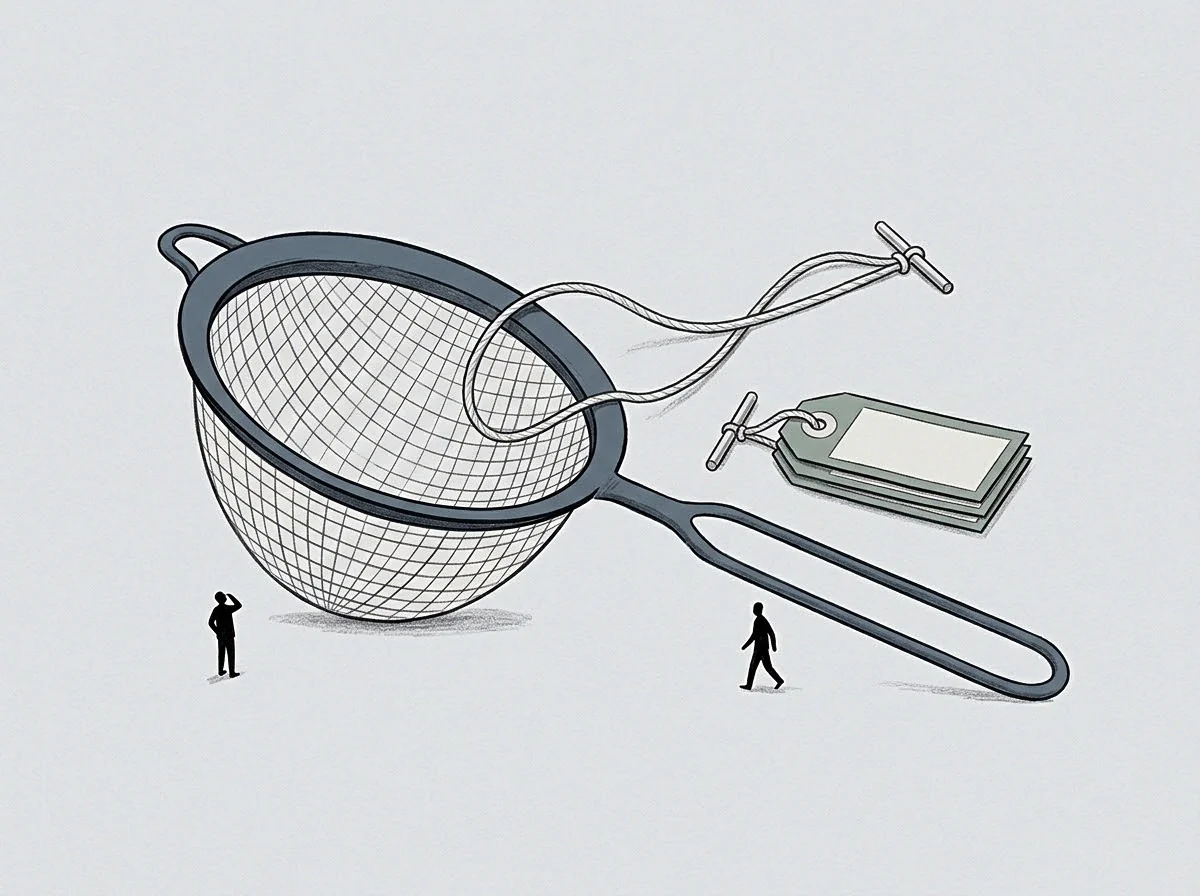
Ordinal Allocation Against Invoiced Totals
Internal strain cannot be divided into neat increments. If an account burns thirty hours on contentious client negotiations that drain team morale, no hourly rate recoups the lost momentum. The impact lands unevenly, falling heaviest on the staff who absorb operational friction between client demands and delivery.
An owner who gauges client profitability purely by gross margin misreads operational reality. A ninety-thousand-dollar contract requiring fifty weekly status adjustments burns more organizational capacity than a sixty-thousand-dollar contract executed in structural isolation, leaving the operator to absorb the variance. Evaluating service burden requires ranking commitments by total resource extraction rather than top-line revenue.
Ignoring unbilled attention and eroded capacity creates systemic operational strain, where nominal profits conceal depleted staff.

Drift
Scope expansion rarely starts with a breach of contract. It arrives through casual requests sent over chat during active production. A client asks for an additional color variation, a minor copy revision, or attendance at an unscheduled internal alignment briefing.
Because each task takes fifteen minutes, delivery staff handle it without writing up a change order. Over eight weeks, those fifteen-minute concessions accumulate into dozens of unbilled hours that derail scheduled deliverables.
Contract structures distribute this friction in different ways. Under hourly billing, the buyer watches the clock and challenges logged administrative tasks. Under fixed-scope agreements, the vendor carries the cost of ambiguity, letting client indecision stretch out timelines without additional compensation.
Unstated delivery parameters convert every client ambiguity into vendor operational expenditure.

Unbilled Coordination and Administrative Drag
Every commercial pricing structure creates distinct behavioral incentives, determining who bears the cost of project uncertainty, communication overhead, and procedural revisions:
- Fixed Project Commitments concentrate delivery risk on the executing firm by capping total revenue while leaving revisions open to client interpretation.
- Time and Materials Billing shifts execution risk to the buyer, which can encourage administrative padding and prompt disputes over exploratory work.
- Retained Advisory Allocations generate expectations of continuous availability, fragmenting team attention across disjointed messages and check-ins.
- Performance Contingency Terms require heavy upfront labor while tying compensation to external operational metrics beyond the provider’s control.
In precision manufacturing, machine shops charge recalibration fees whenever a client alters tooling tolerances mid-run. Knowledge service providers, by contrast, tend to absorb comparable technical pivots as routine account management.
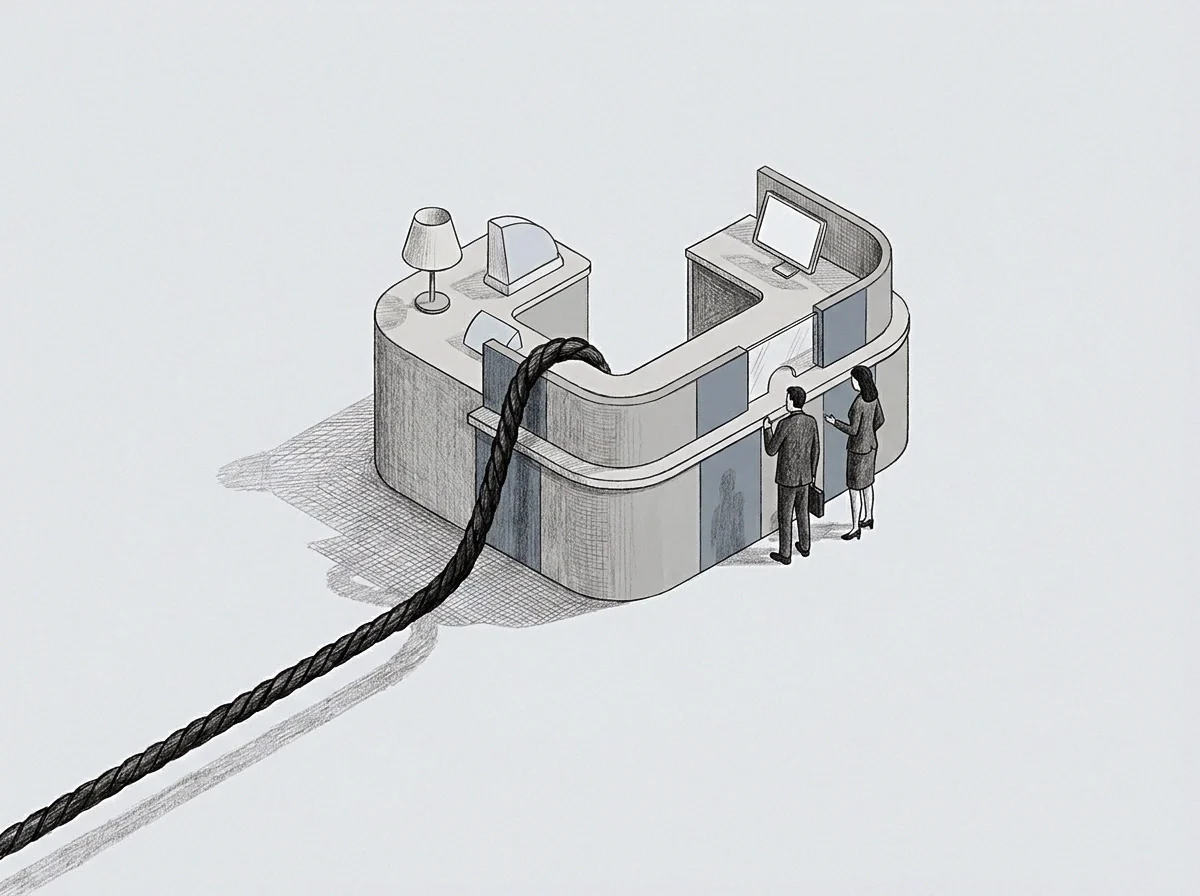
Structural Friction Inside Delivery Models
Research on cognitive switching demonstrates that returning to deep focus after an interruption takes approximately twenty minutes. This empirical observation rests on controlled evaluations of office interruptions; systematic evidence demonstrating zero residual cognitive friction among workers handling parallel client chat rooms would alter the conclusion. When an account manager answers six disconnected client messages spread across a morning, the workday shatters into unusable fragments.
Retainer agreements regularly suffer from this quiet drain. The client assumes the monthly fee buys immediate access, while the vendor attempts to schedule dedicated production sprints. The misalignment generates persistent friction, with the buyer assuming that routine scope adjustments fall under the existing fee while the agency absorbs the untracked hours.

Split
Comparing commercial models requires examining how each structure extracts organizational resources relative to revenue. An arrangement that guarantees predictable monthly cash flow may steadily deplete senior staff attention, whereas an engagement with irregular income might leave team capacity intact for internal initiatives. Billing structures operate as distinct delivery mechanisms, each straining a different part of the operation.
| Commercial Structure | Financial Certainty | Capacity Expenditure | Attention Consumption | Capability Trajectory |
|---|---|---|---|---|
| Fixed Scope Project | Deterministic ceiling with downside margin risk | High variance driven by client feedback cycles | Bursts during delivery milestones and approvals | High during initial architecture, low during revisions |
| Time and Materials | Linear cash recovery tied directly to logged hours | Controlled through explicit labor caps | Continuous administrative justification overhead | Moderate, constrained by client willingness to pay for research |
| Monthly Retainer | Predictable recurring monthly cash flow | Steady, creeping upward through unbudgeted tasks | Fragmented across frequent asynchronous inquiries | Low, dominated by maintenance and reactive support |
| Value Contingency | Binary or asymmetric financial outcome | Massive upfront operational commitment | Intense focus centered on isolated client metrics | High technical specialization, low process repeatability |
Fixed-scope agreements protect client expenditure while exposing the agency to scope expansion. When client stakeholders disagree internally, the vendor often mediates the dispute without compensation. Conversely, hourly billing penalizes operational efficiency: a team that resolves a complex technical bottleneck in two hours collects a nominal fee, while an undisciplined team billing forty hours for the same result generates substantial revenue.
A pricing structure that penalizes delivery speed systematically incentivizes procedural bloat.

Comparative Exposure Across Standard Commercial Contracts
Retainers offer apparent financial stability while quietly eroding operational flexibility. The recurring deposit creates a sense of safety that obscures hours lost to administrative exchanges. A client paying five thousand dollars monthly often expects the responsive availability of a dedicated employee, tying up attention that could otherwise deliver thirty thousand dollars in scoped project work.
The exact threshold where long-term capability gains outweigh lower cash margins cannot be calculated with precision. In practice, experienced operators treat any arrangement that drains team capacity for more than two consecutive quarters as unsustainable, walking away from high-profile accounts once team autonomy breaks down. Specifying distinct response windows for production tasks versus administrative queries in the master services agreement prevents a client from treating a monthly retainer as an unconstrained chat channel.

Grip
Protecting delivery capacity requires binding contractual terms set before work begins. Verbal understandings about client reasonableness tend to break down when schedules tighten. When delivery windows compress, the party without explicit contractual protections absorbs the operational deficit, making clear boundaries essential to prevent uncompensated labor.
Contracts must define delivery constraints alongside finished deliverables. Effective provisions cap communication frequency, schedule batched review cycles, and attach clear financial consequences to client delays, removing ambiguity before misunderstandings develop.
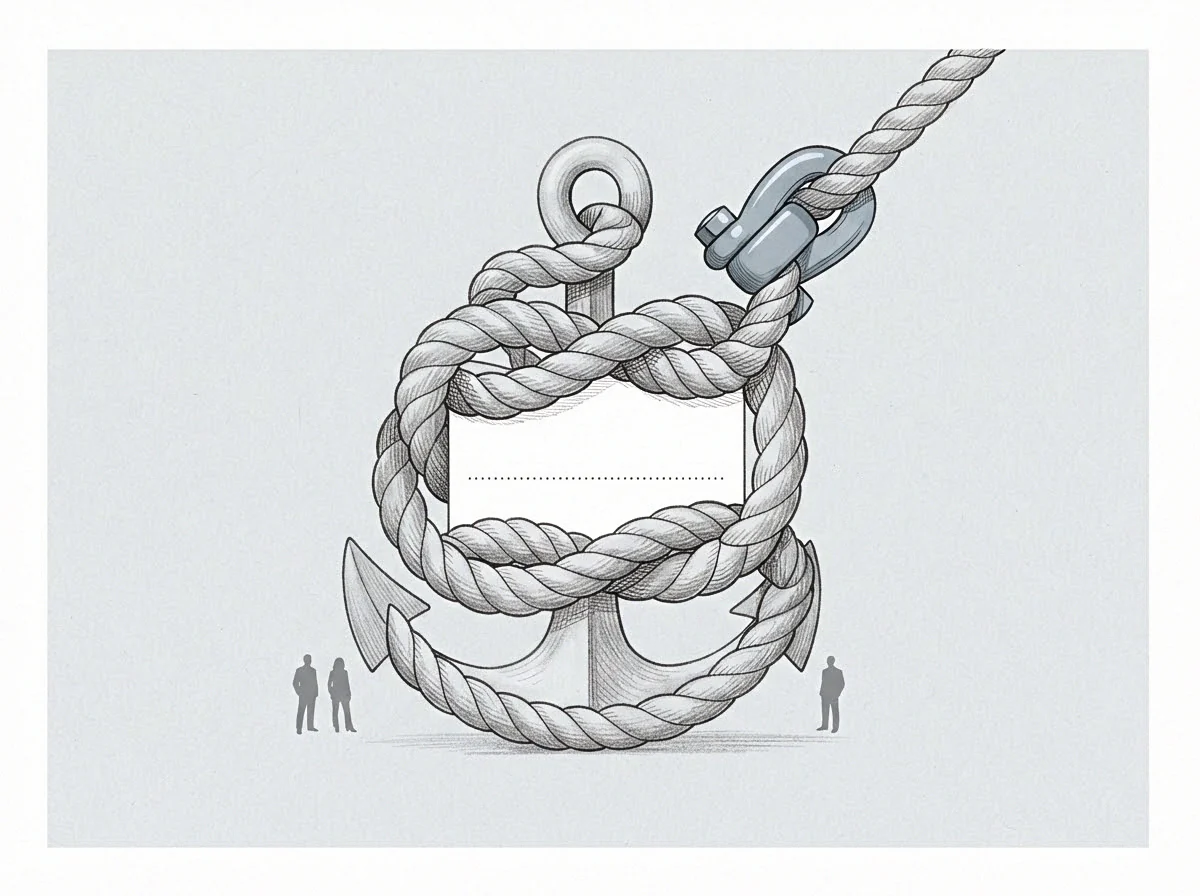
Contractual Containment of Latent Depletion
Defensive contracting relies on clear operating mechanics rather than informal goodwill. A firm protects its delivery team through specific contractual stipulations:
- The agreement limits formal stakeholder reviews to two consolidated rounds submitted within five business days.
- Unscheduled communications redirect to a weekly asynchronous queue rather than triggering impromptu status calls.
- Client review delays exceeding ten business days automatically pause production schedules and incur project restart fees.
- Revisions that exceed documented specifications convert into independent work orders billed under standalone terms.
Implementing structured boundaries changes client behavior. When revisions carry explicit financial consequences, the buyer consolidates feedback and discards minor changes, keeping the agency from absorbing unbilled administrative coordination as profit margins stabilize.

Sequencing Structural Adjustments Under Pressure
When an active account drains excessive team capacity, the operator cannot wait for contract renewal to intervene. The priority is identifying the specific source of depletion and establishing immediate operational constraints. If team attention is consumed by daily calls, real-time messaging stops in favor of scheduled written updates.
Recovering operational capacity after a client has grown accustomed to constant access requires introducing formal communication gates without ending the underlying commercial relationship.
Check
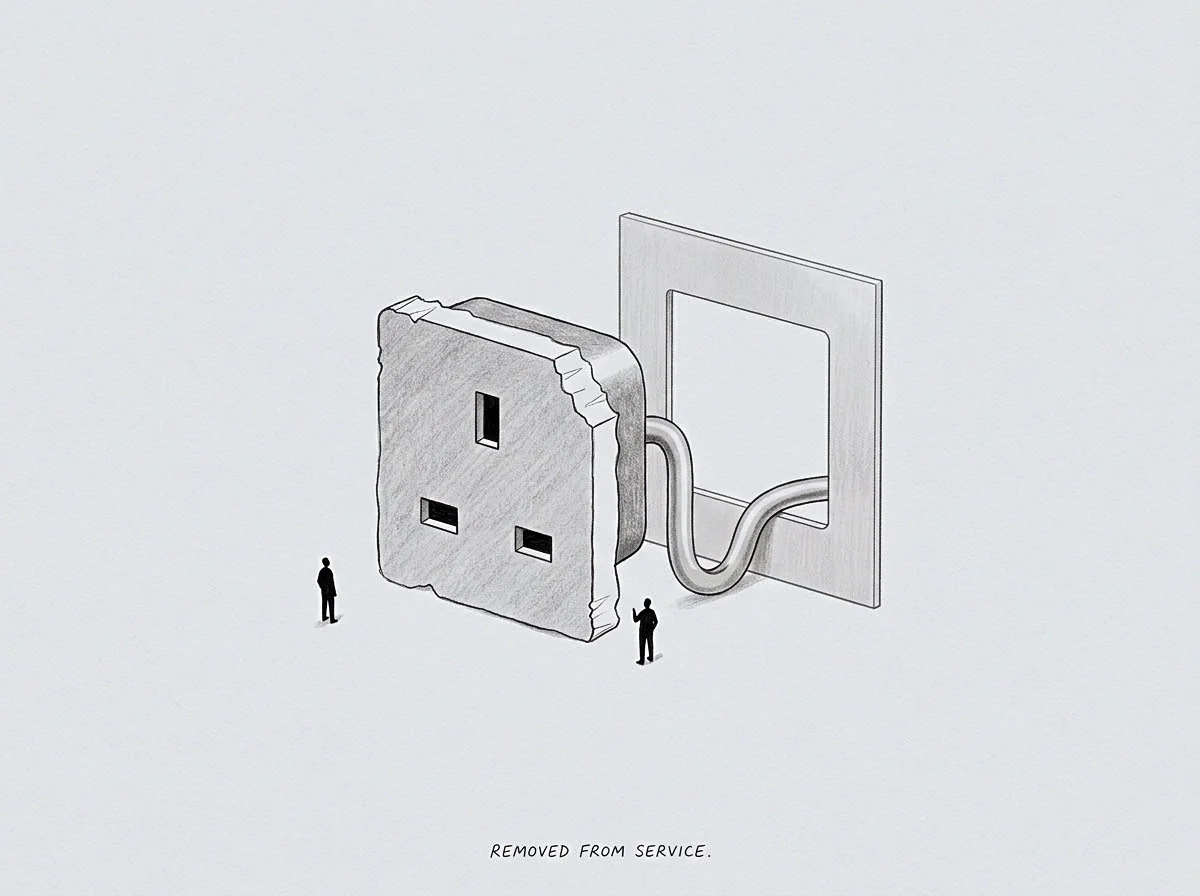
Assessing the true burden of client engagements requires ongoing operational reviews. Standard bookkeeping deducts payroll from revenue to determine profitability, ignoring the toll on staff retention, neglected internal tools, and strategic opportunities bypassed to satisfy difficult accounts. A thorough review audits organizational capacity alongside financial returns.
A contract profitable on monetary metrics can simultaneously bankrupt the enterprise in human capacity.

Continuous Audit of Vector Trajectory
At the close of each milestone, leadership reviews the engagement across several dimensions: realized hourly return, staff friction, operational capacity expended, and institutional knowledge gained. An account showing sixty percent cash margins that leaves technical staff exhausted represents an operational deficit. Conversely, a break-even development project that yields reusable software architecture and strengthens internal skills moves the company forward, reflecting gains that standard financial statements fail to capture.
Running a durable services business requires treating internal costs as multidimensional expenditures rather than isolated figures on an invoice. When fees fail to replenish the operational capacity consumed during delivery, maintaining the account increases long-term risk. Contracts that demand more organizational energy than they return must be restructured or brought to an end.