Meaning
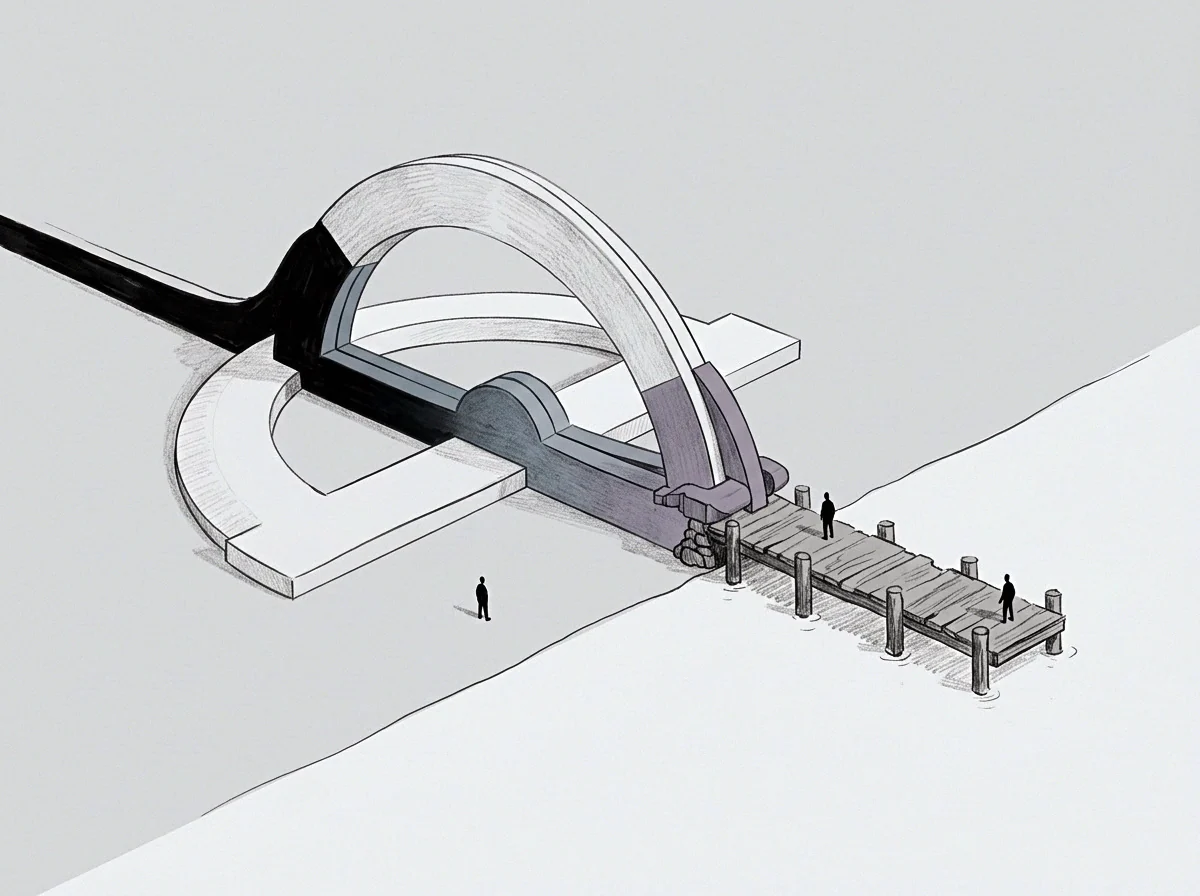
Quantitative adjustments determine how the impact of a negative event changes as the size of the system or the transaction grows. Loss severity scaling is the process of estimating the potential damage from a failure by applying a power law or a linear multiplier to a baseline loss. This method accounts for the fact that a system ten times larger than another does not necessarily suffer ten times the loss during a failure.
It helps in understanding the non linear relationship between the size of an operation and the cost of an error. The measurement is the basis for setting indemnity limits in contracts and allocating risk capital.
Geometric Growth
Financial impacts often expand at a different rate than the volume of the underlying activity. In loss severity scaling, a small increase in transaction speed might lead to a disproportionate jump in the total exposure to fraud. Analysts look for the exponent that describes this relationship to predict future costs.
Economic Implication
Understanding how losses scale allows a founder to decide when to stop growing a specific process. If loss severity scaling shows that the cost of failure is growing faster than the revenue, the process is unsustainable. This signal triggers a redesign of the safety protocols or a diversification of the service.
A linear scale suggests a stable environment, while a super linear scale indicates a fragile one. The calculation includes direct costs and indirect costs such as time spent on remediation. By mapping these variables, a firm can avoid the point where a single mistake becomes terminal.
This data informs the decision on whether to centralize or distribute risk.
Mathematical Limit
The model stops being useful when the loss reaches the total value of the firm.