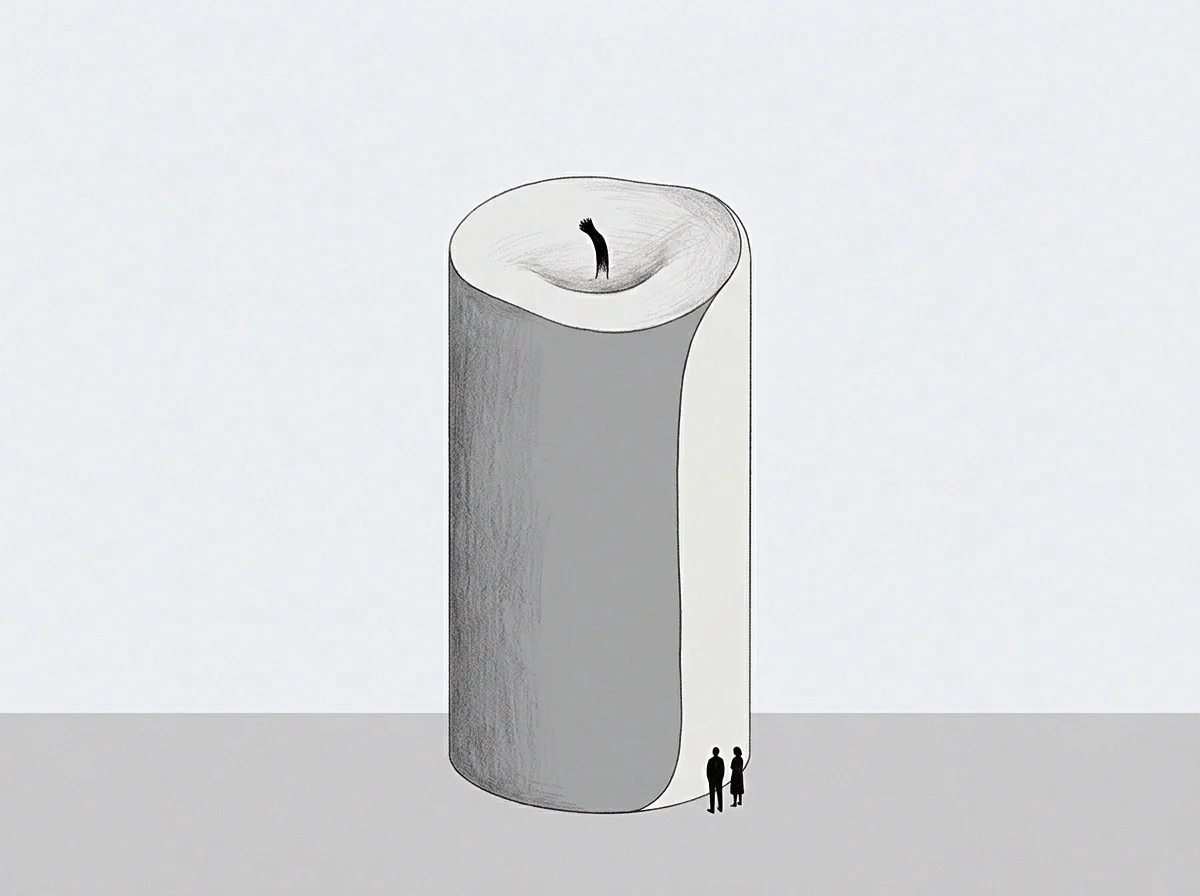
Meaning
A gradual decrease in the accuracy of a sensor or an analytical framework happens over time due to wear or changing environmental factors. This occurrence of measurement drift introduces systematic error into datasets, skewing trends and invalidating initial baselines. It differs from sudden failures by accumulating quietly and distorting long-term observations.
Detection Method
Regular calibration against a known standard exposes discrepancies in the data collection process. When measurement drift is suspected, comparing the output of the primary instrument against a secondary reference reveals the magnitude of the error. This diagnostic step ensures that decisions rest on verified metrics rather than on uncorrected deviations.
Error Accumulation
The compound effect of unchecked bias undermines the validity of strategic planning. Over several quarters, measurement drift can lead to a state where the observed trend is entirely an artifact of the decaying system. This compounding error can cause a team to optimize processes for nonexistent problems or ignore genuine declines in performance.
Consequently, the organization risks misallocating attention and capital to areas that seem underperforming but are only the victims of a skewed scale.
Correction Protocol
Applying a mathematical offset restores the integrity of the historical dataset. Once the rate of measurement drift is calculated, analysts apply a linear or exponential correction to realign the recorded numbers with reality. This step ensures that the underlying trend remains visible and that subsequent decisions rest on solid empirical foundations.