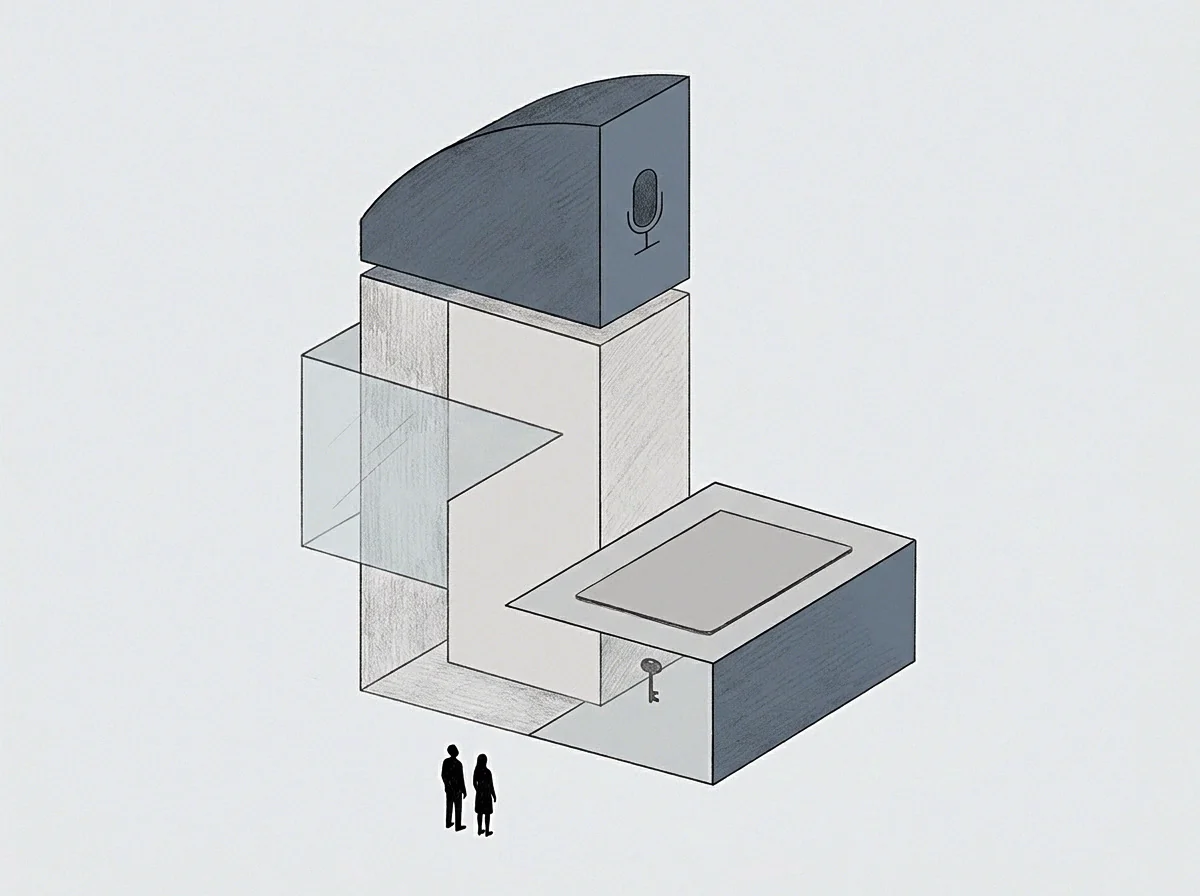
Meaning
Unintentional retention of allocated computing resources prevents a system from reclaiming capacity for subsequent tasks. While a memory leak persists, the available volume of random access memory diminishes until a reset occurs. Resource loss stops being a leak once the process terminates and the operating system reclaims the entire memory block.
Resource Exhaustion
Exhaustion occurs when a process requests space but fails to return it. The resource exhaustion of the term causes a slow climb in the baseline cost of running a software service. Eventually the hardware hits a ceiling where it can no longer accept new instructions.
This state forces a manual restart to clear the buffers.
Performance Degradation
Degradation shows itself through increased latency and higher error rates as the available environment shrinks. In the performance degradation of the term, hardware works harder to manage fragmented allocations, creating a heat or energy cost that rises even as the actual throughput of the business decreases. Without intervention, the lag becomes visible to the user and compromises the speed of transaction processing or data retrieval.
Remediation Cycle
Cycle duration is a primary metric for software stability. The remediation cycle of the term is a scheduled event designed to prevent a total system crash. Founders measure the interval between these events to determine the stability of the underlying architecture.