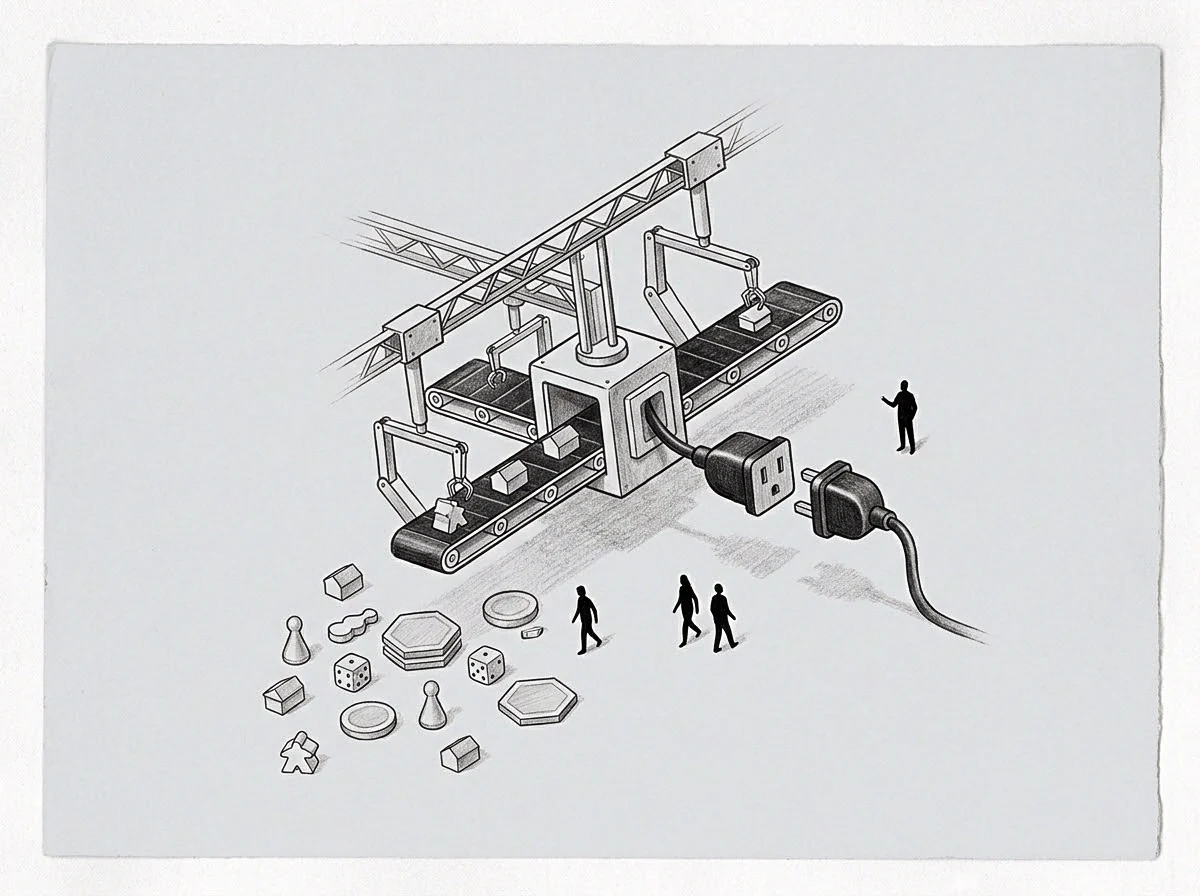
Meaning
Dynamic target value that changes automatically according to real-time inputs or external conditions allows a control system to optimize performance across varying environments. In process control, a moving setpoint replaces static goals with a fluid reference point that adjusts to match current resource availability and system demands. This reference point is measured continuously, using feedback loops to calculate the optimal operating level at any given moment.
The application of this method prevents systems from over-exerting during periods of high resource cost or under-performing when resources are cheap, ensuring that output matches capacity.
System Adjustment
Recalculating the target requires a continuous flow of data from external sensors and internal performance logs. When operating under a moving setpoint, the control software adjusts its benchmark as variables like temperature, demand, or fuel prices change. This prevents the system from chasing unrealistic targets during suboptimal conditions, saving significant operational capacity and energy.
The adjustments are executed in small, incremental steps to avoid destabilizing the entire process.
Operational Utility
Adapting to changing conditions helps maintain high efficiency without requiring constant human intervention. By deploying a moving setpoint, founders can automate the optimization of pricing, production, or resource allocation based on real-time market signals. This reduces the cognitive load on management, as the system self-corrects within predefined bounds.
The outcome is a more resilient operation that remains profitable even when input costs fluctuate wildly.
Boundary Limitation
Systemic instability can occur if the setpoint moves too rapidly or responds to inaccurate data feeds. When this happens, the system can enter a state of continuous oscillation as it attempts to hit a rapidly moving target. This requires the implementation of rate-of-change limits to ensure the setpoint only shifts when a persistent trend is detected.