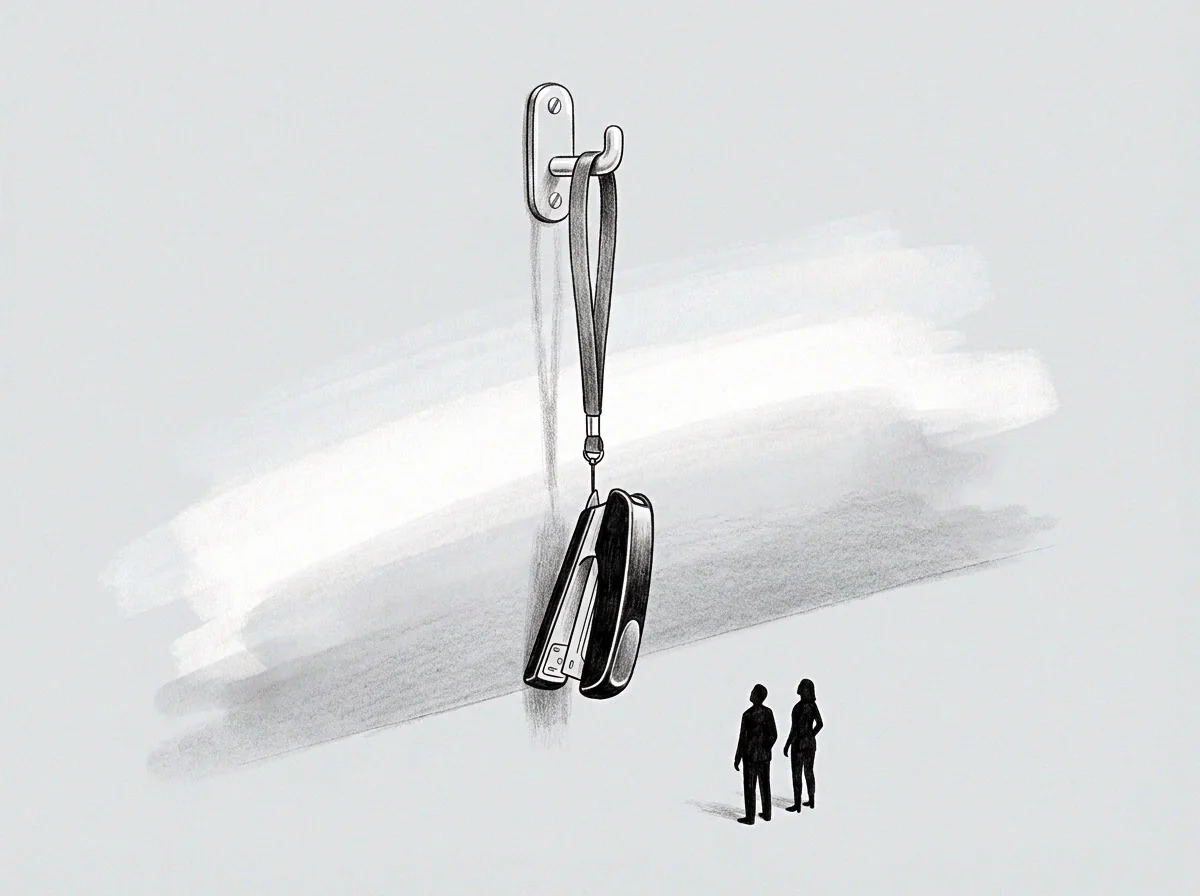
Meaning
Exhaustion resulting from concurrent monitoring across divergent real-time communication tools drains human operational stamina. Within modern operational environments, multi channel burnout emerges when an individual must simultaneously maintain vigilance over email, internal chat, ticket queues and project dashboards. The condition measures the depletion of attention capacity under persistent divided inputs.
It does not apply to asynchronous single-channel workflows where workers govern their intake pacing without continuous external alerts.
Stimulus Concurrency
Concurrent inbound messages produce continuous low-grade cognitive strain. With multi channel burnout, an operator faces constant context shifts that preclude deep focus on singular assignments. The demand for instantaneous acknowledgment across competing windows forces cognitive functions into shallow reactive states.
Exhaustion Vector
Persistent operational vigilance produces progressive mental weariness and rising error rates. Under the pressure of multi channel burnout, professional endurance erodes as employees struggle to maintain identical responsiveness across platforms. The absence of consolidated notification periods prevents cognitive rest, turning ordinary administrative routines into fatiguing obligations.
Saturation Ceiling
Human attention systems possess finite processing bandwidth that cannot expand through additional software installations. Left unchecked, multi channel burnout culminates in absenteeism, degraded customer interactions and abrupt operational departures. Sustainable coordination models restrict communication to designated pathways, terminating unmanaged channel proliferation.