Meaning
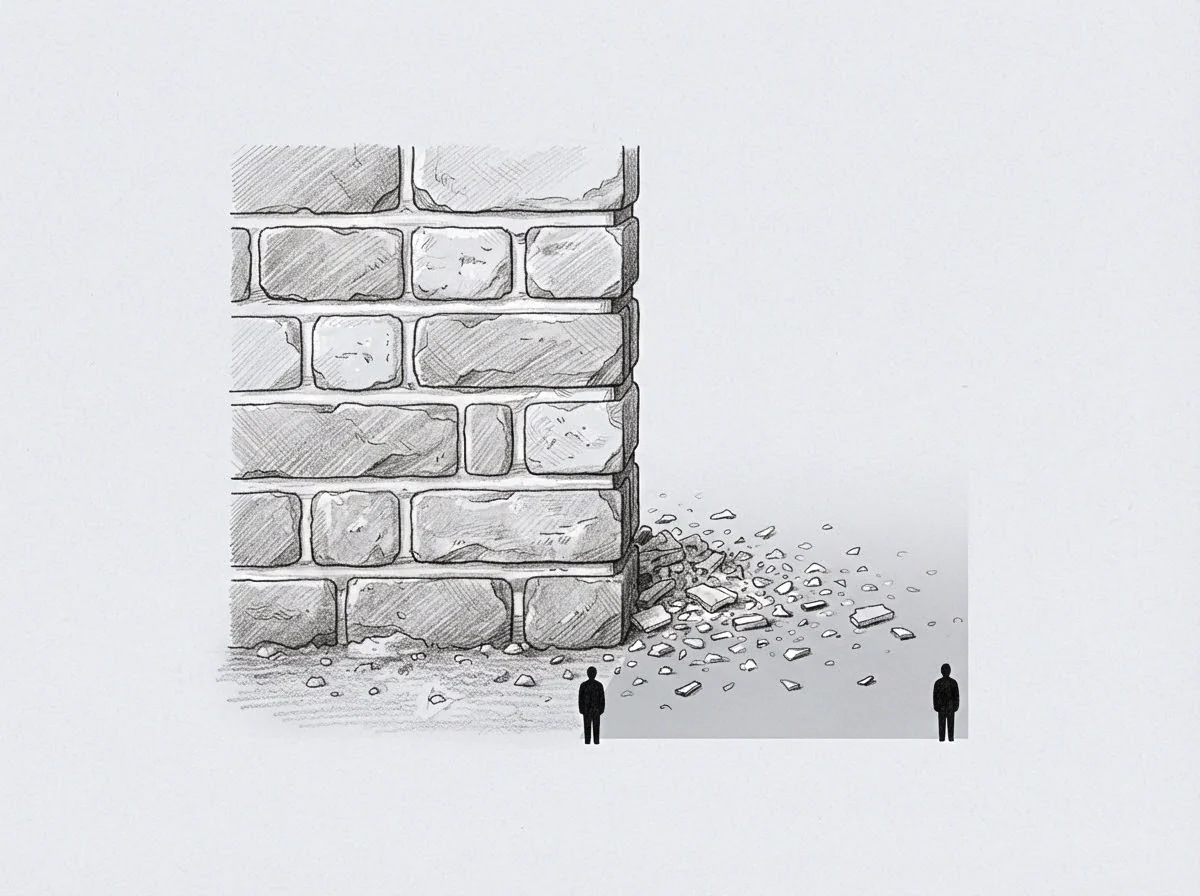
Frequency discrimination functions as a mathematical operation that separates valid data points from irrelevant signal fluctuations within an information stream. This noise filtering process establishes a clear threshold where underlying patterns remain identifiable despite the presence of stochastic interference. By applying specific bandpass or lowpass constraints, a practitioner isolates stable trends that would otherwise remain obscured by immediate volatility.
Signal Separation
Digital processing tools differentiate between high-frequency jitter and genuine directional movement within a dataset. Analysts apply these quantitative boundaries to remove erratic spikes that originate from transient events rather than structural shifts. Removing such artifacts permits a more accurate observation of the drift occurring across the time series.
Measurement Logic
Continuous observation requires a stable frame of reference to distinguish signal strength from background interference. Noise filtering operates on a cardinal scale where values above a determined cut-off pass through for evaluation while lower intensity inputs undergo rejection. This mechanism prevents the misinterpretation of random variance as meaningful organizational change.
Operational Consequence
Stable decision loops emerge from the reduction of environmental uncertainty within a management system. Output stability improves when anomalous data inputs undergo excision prior to the calculation of growth or resource demand. Reduced variance in the resulting data supports consistent planning cycles because the remaining indicators correspond directly to verifiable events.