Meaning
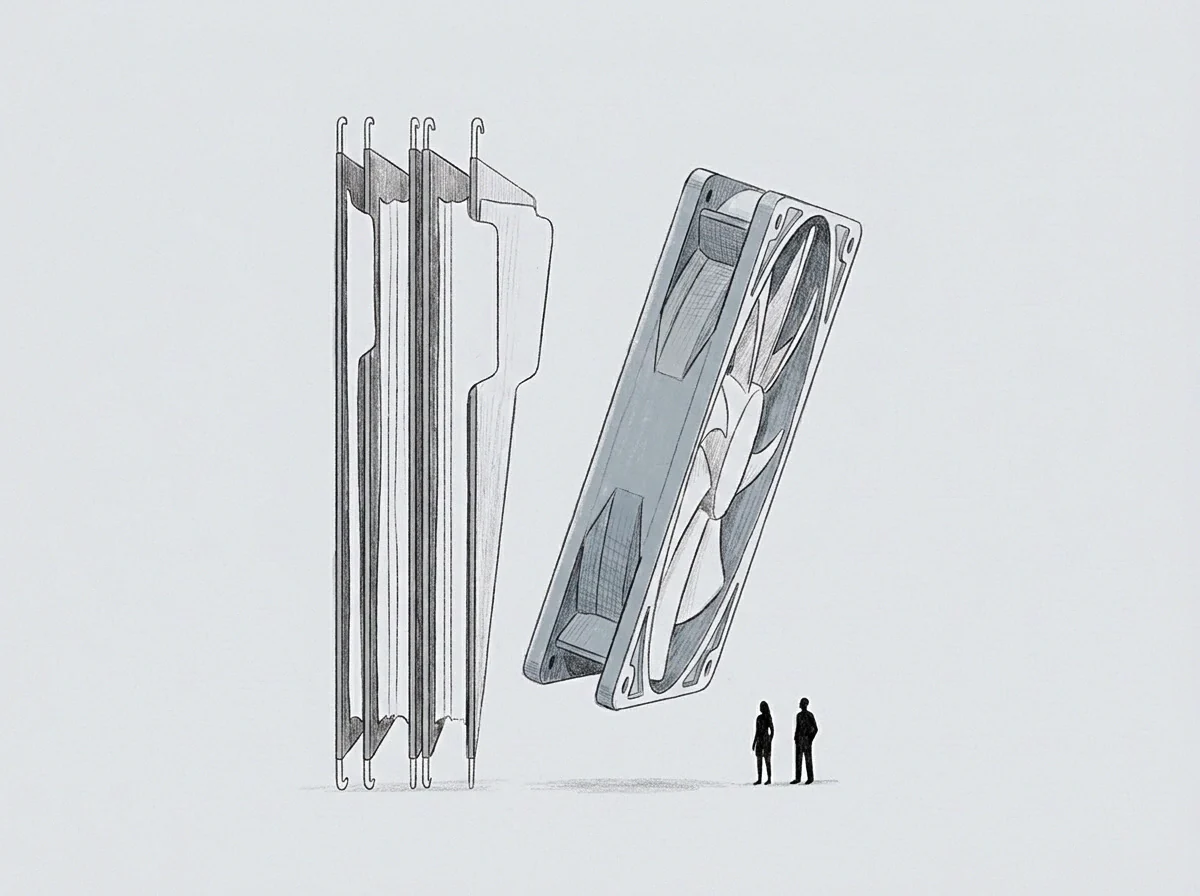
Constant energy expenditure from legacy systems or peripheral operational requirements reduces the net output of a primary mechanism. A parasitic load exists when power or cognitive resources drain from the main objective without contributing to the central product or service. This drag reduces the available capacity for innovation as the system expends its finite reserves on maintenance and infrastructure overhead.
System Efficiency
Total capacity remains fixed regardless of how much activity occurs within the underlying structure. The parasitic load measures the delta between total potential and effective delivery. A high ratio indicates that the internal plumbing consumes more energy than the actual output generates.
Systems failing to monitor this overhead find that maintenance cycles eventually crowd out growth.
Growth Constraints
Expanding complexity creates friction points where auxiliary processes demand disproportionate attention from the leadership group. Such growth introduces administrative layers that require constant oversight to remain functional. These requirements divert hours away from market expansion or product refinement.
Founders manage this by isolating essential operational functions from elective bureaucratic habits.
Resource Allocation
Optimal deployment of human attention requires the isolation of non-essential friction from high-value objectives. Measurement of this drain involves quantifying the hours spent on legacy documentation or outdated communication protocols. A downward trend in these metrics signals that the architecture supports focus rather than distraction.
Lowering the volume of these internal requirements increases the probability of sustaining a long-term advantage.