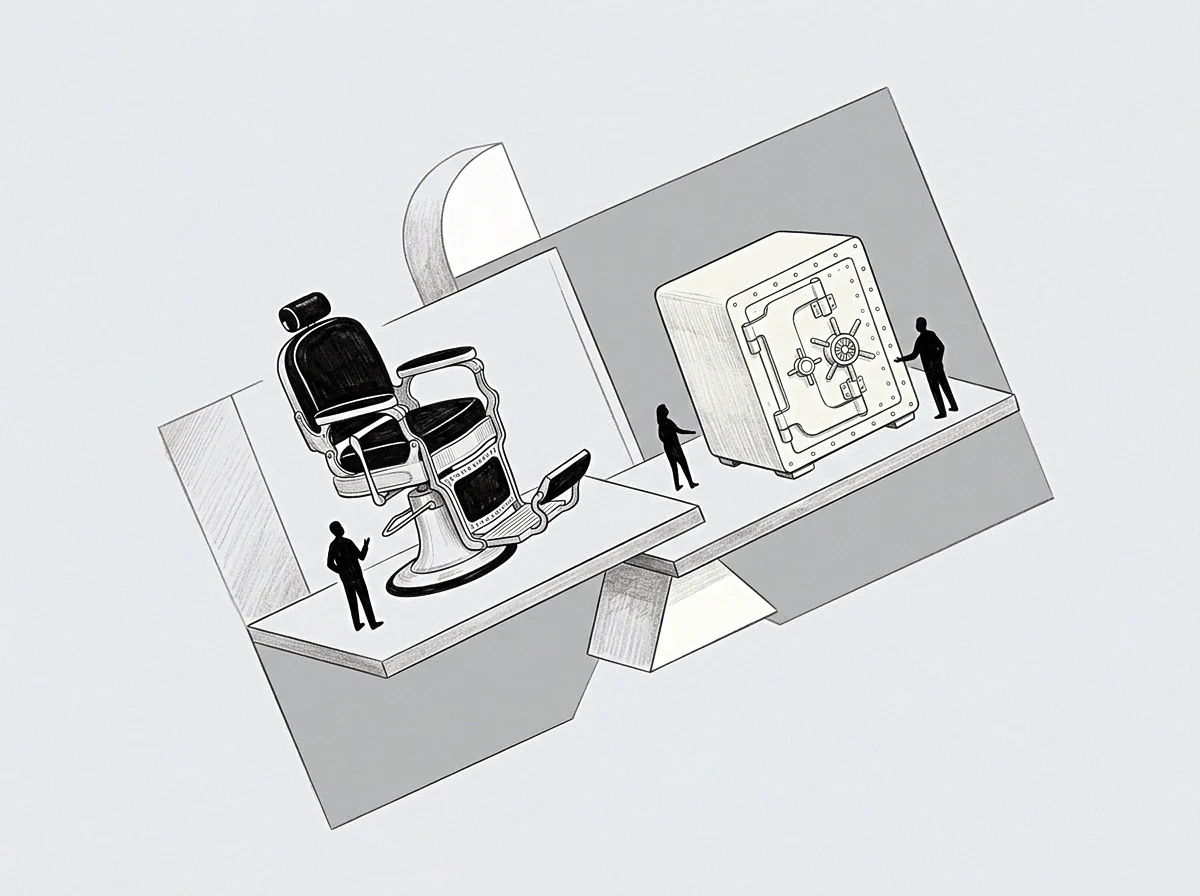
Meaning
Differential distribution of assets across a functional network indicates how resources are clustered or dispersed within an organization. A steep resource gradient shows that one department or project holds significantly more capital or talent than others. It measures the imbalance of support across different operational cells.
This term is used to identify bottlenecks where a lack of resources stops progress despite high performance elsewhere.
Flow Direction
Assets naturally move toward areas of highest perceived return or highest immediate risk. The resource gradient reveals the path of this movement and identifies which areas are being starved of support. High gradients often lead to resentment between teams if the distribution appears arbitrary.
Scarcity Pressure
Underfunded departments experience a higher failure rate due to the lack of necessary tools. When the resource gradient is too steep, the weakest link in the chain becomes the primary constraint on the entire venture. This pressure forces teams to find inefficient workarounds that increase technical debt.
Structural Equilibrium
Balance within an organization requires a flat gradient where each unit has exactly what it needs to meet its targets. Achieving this equilibrium allows the venture to scale all departments at the same rate. Monitoring the gradient helps in redistributing talent and capital before a shortage causes a system-wide delay.