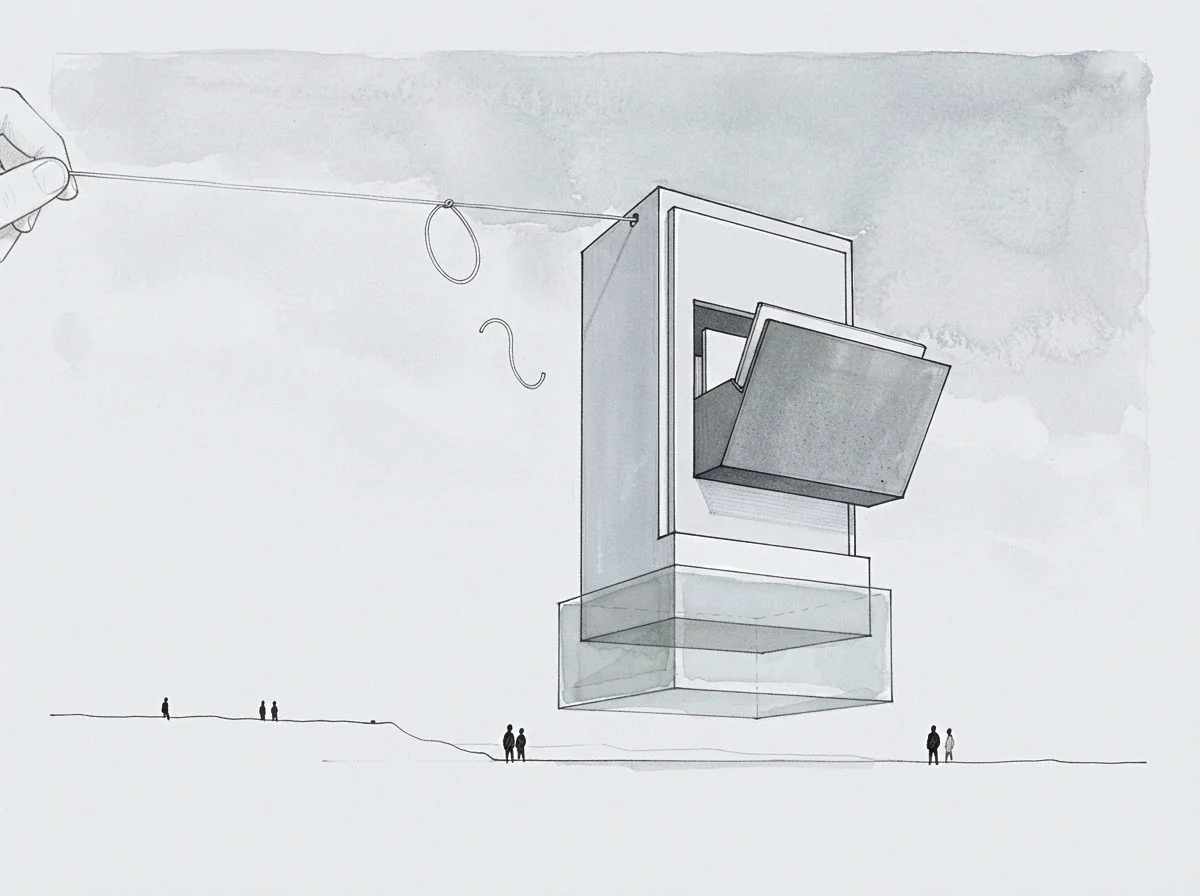
Meaning
The maximum volume of operations an organization can achieve under its current architecture represents the point where further growth generates diminishing returns or systemic instability. This scale ceiling is determined by the inherent design limits of a company’s technology, processes, or organizational structure. Reaching this point forces leaders to redesign fundamental workflows or risk failure.
Throughput Limitation
Operational efficiency begins to decay rapidly as transactions approach this upper limit. In a digital platform, this scale ceiling emerges when database queries stall due to concurrent user volume. The system experiences latency and error rates rise, which harms user retention and increases customer support hours.
Indicator Identification
Early warnings of this structural limitation appear in escalating transaction times and rising maintenance expenses. When a company struggles to maintain service quality despite increasing expenditures, it has likely hit its scale ceiling. Monitoring these trends helps technical teams schedule rebuilds before the existing system crashes under demand pressure.
Structural Redesign
Overcoming this barrier requires a fundamental shift in how the business operates. If a logistics firm replaces manual routing with algorithmic scheduling, the scale ceiling shifts upward. This investment allows the business to double its volume without a corresponding rise in administrative overhead.
The redesign ensures long-term viability by removing human administrative bottlenecks from the transaction pipeline, although it demands significant upfront development time and focus. By clearing this path, the organization prepares for the next phase of market expansion.