Meaning
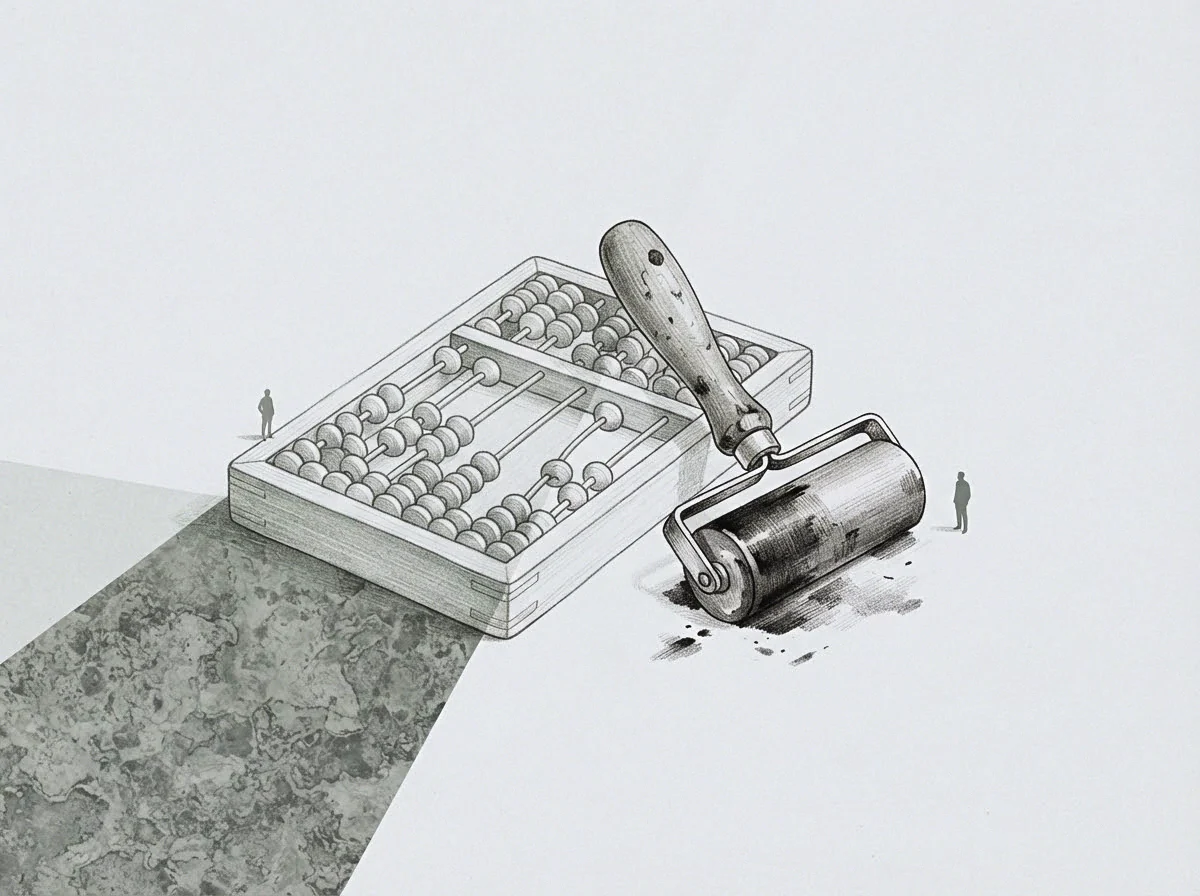
Organizational theory describes the distinct developmental phases where a firm’s growth in headcount or transaction volume renders its current processes, systems, and communication models obsolete. These scale transitions require the systematic redesign of operational structures to prevent administrative breakdown. They mark the boundaries where informal relationships must be replaced by structured workflows and explicit reporting lines.
Process Redesign
Informal communication patterns that functioned well in a small team become bottlenecks as the organization expands. During scale transitions, the management team must introduce standardized documentation and performance metrics to align disparate departments. This shift reduces reliance on individual heroism and builds a repeatable, predictable operating model.
Structural Stress
Inadequate systems and infrastructure fail under the weight of increased transaction volume or larger database demands. These failures expose the limitations of early-stage choices and force immediate capital investment in more robust platforms.
Personnel Realignment
Talent requirements shift from generalists who can handle multiple tasks to specialists who optimize specific workflows. Executives must manage the transition of early employees into new, often narrower roles that match their structured capabilities. This realignment maintains organizational efficiency while keeping the firm from outgrowing its human capital.
Long-term success is achieved by guiding the team through these natural operational thresholds.