Meaning
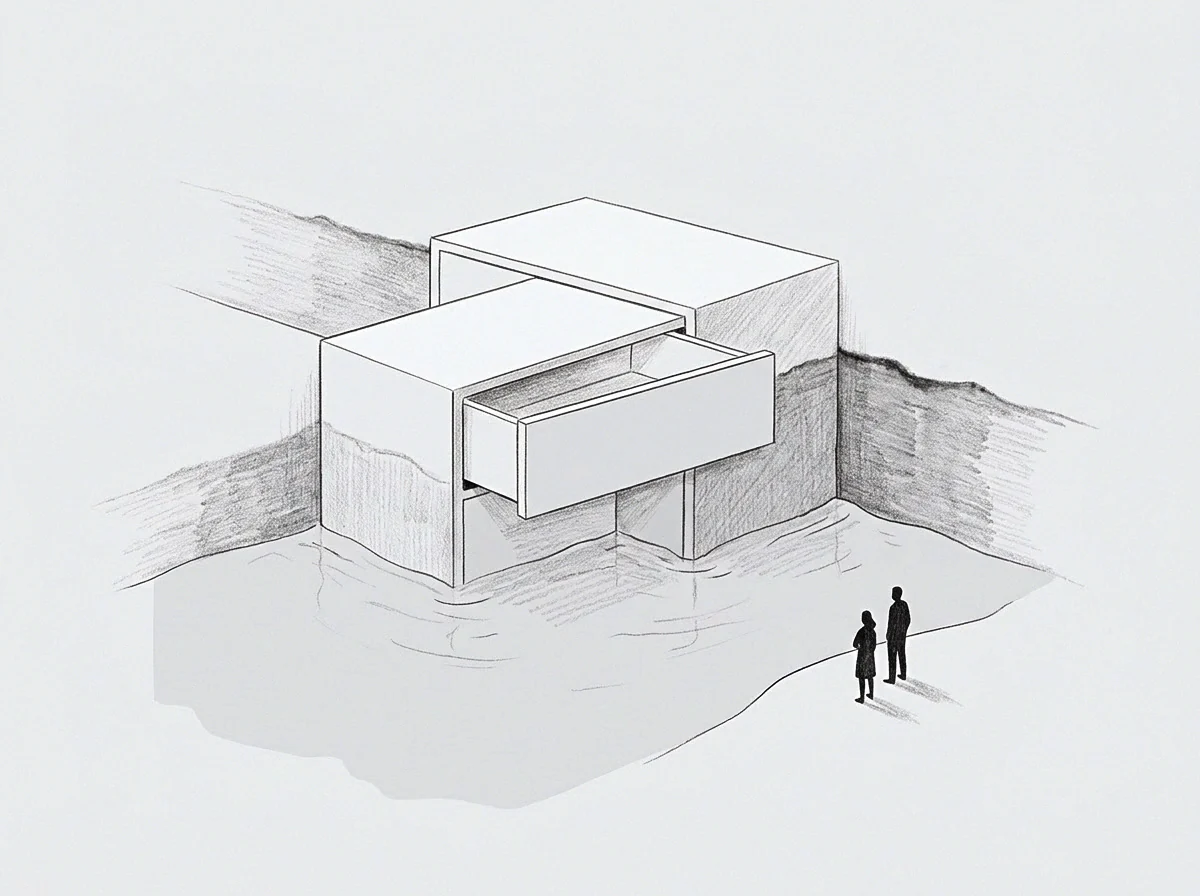
Unofficial and often undocumented systems or processes that arise within an organization to bypass the limitations of the formal structure. These shadow architectures represent a measurement of the gap between the needs of the employees and the tools provided by the management. They provide a view of the real work being done and the improvised solutions that keep the firm running.
The concept is bounded by the official IT or operational frameworks, which these systems exist outside of.
Informal System
When the official tools are too slow or complex, people will find their own ways to get the job done. Shadow architectures often use consumer software or spreadsheets to manage critical data. This creates a risk of data loss and security breaches.
Gap Indicator
The existence of such a system is a clear sign that the formal structure is failing.
Adaptive Response
A leader avoids banning these unofficial practices and studies them to understand what is missing from the official offering. These shadow architectures often contain the seeds of a more efficient way of working. By bringing these solutions into the formal fold, the organization can benefit from the innovation of its employees while also securing the data.
This involves a collaborative approach that values the input of those on the front lines. The result is a more responsive and integrated system that better serves the needs of the business. Correcting the underlying issues requires a willingness to change the formal structure to match the reality of the work.
This process leads to a more robust and transparent organization that can scale without the risk of hidden failures. The ultimate goal is to align the tools with the tasks they are meant to support.