Meaning
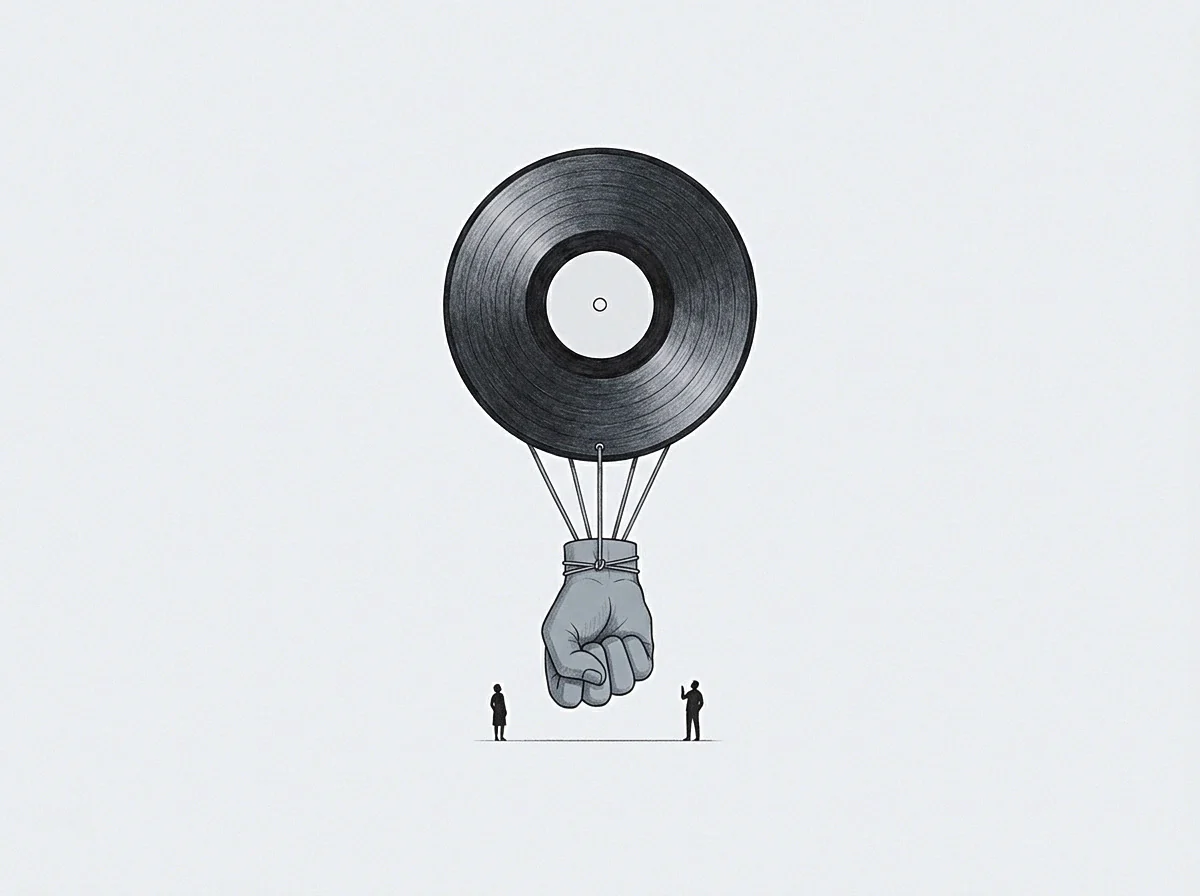
An undocumented workflow route operates parallel to the official corporate processes. This shadow path is created by team members to bypass bureaucratic delays and maintain task speed. It represents an informal configuration of resources and actions.
Parallel Route
Employees often develop alternative methods to complete their work when official channels are too slow. A shadow path can exist for months without the knowledge of upper management, functioning as a silent accelerator for the department. While these routes increase speed, they also introduce unmonitored risk.
Process Divergence
Quantitative discrepancies between official tracking and actual output expose these informal workflows. When a shadow path becomes the default method for completing a task, it shows that the official process is misaligned with the needs of the team. For instance, instead of waiting for a formal purchasing request to clear, a manager might purchase supplies on a personal card and submit it as a travel expense.
This workaround saves time but bypasses necessary financial controls, making budget tracking difficult.
Structural Limit
The life of an informal route ends when it is discovered and either shut down or integrated into the standard workflow. If the official process is redesigned to match the speed of the shadow path, the informal route disappears. This integration removes the need for unauthorized actions while preserving the efficiency gains.