Meaning
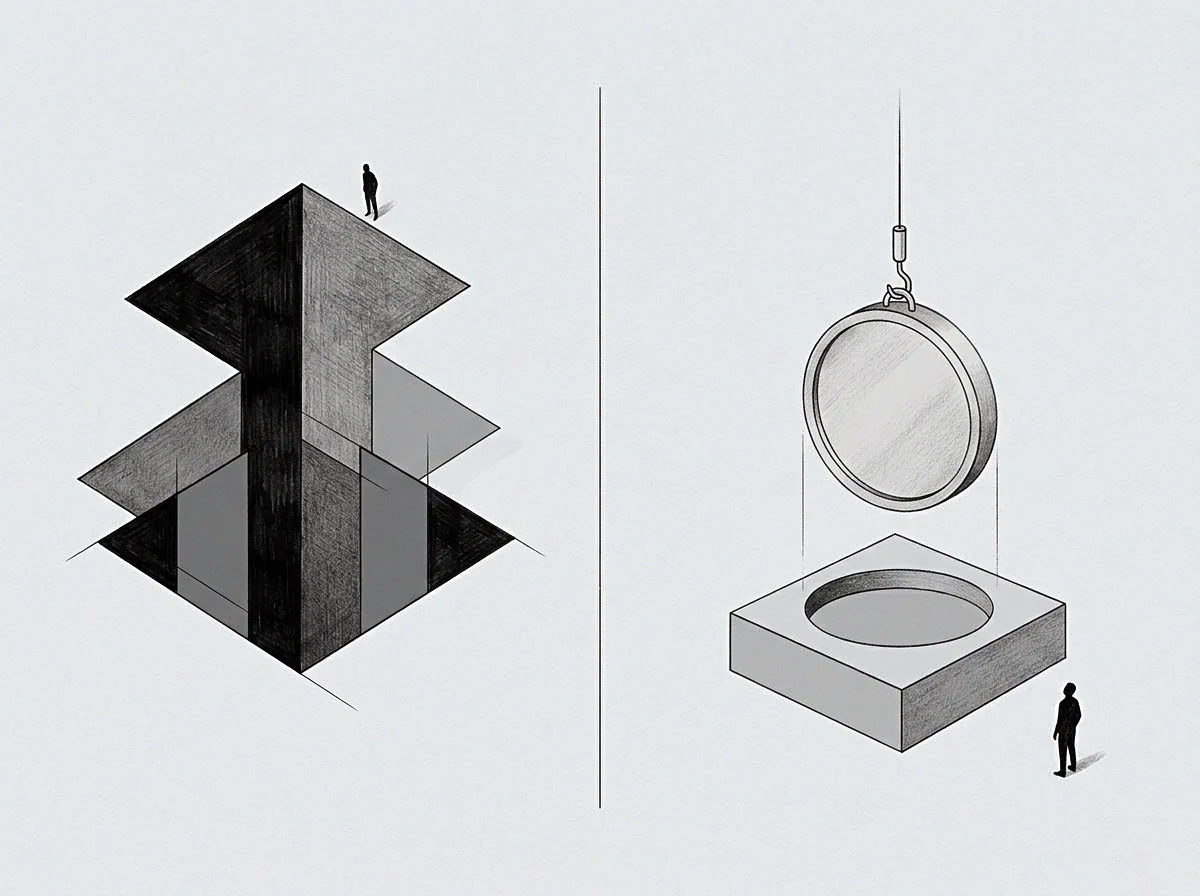
Operational scaling and revenue growth frequently occur in discrete, non-linear jumps rather than continuous gradients. This discontinuous behavior is described as a step function, which models a relationship where the output value remains constant until a threshold is crossed, at which point it jumps to a new level. It defines the relationship between capacity investment and operational output.
Capacity Jump
Hiring a new employee or licensing a software platform immediately increases operational limits without showing a gradual transition. The system output resembles a step function, where performance is flat during the preparation phase and then rises sharply once the resource is deployed. This model helps managers plan the timing of their investments, ensuring that new capacity is brought online at the precise moment that demand begins to exceed existing operational limits so that growth is never constrained.
Cost Incurrence
Fixed expenses typically rise before any corresponding increase in revenue is realized. When the step function is triggered by an investment, the organization must absorb the cost before enjoying the higher capacity. This lag requires sufficient cash reserves to cover the transition period without risking a cash flow crisis.
Scaling Efficiency
Optimal efficiency is achieved when the organization operates near the top of its current step. If the step function jump occurs too early, the company has excess capacity that goes unused, which lowers overall return on assets. Conversely, waiting too long can create severe bottlenecks that damage customer satisfaction.