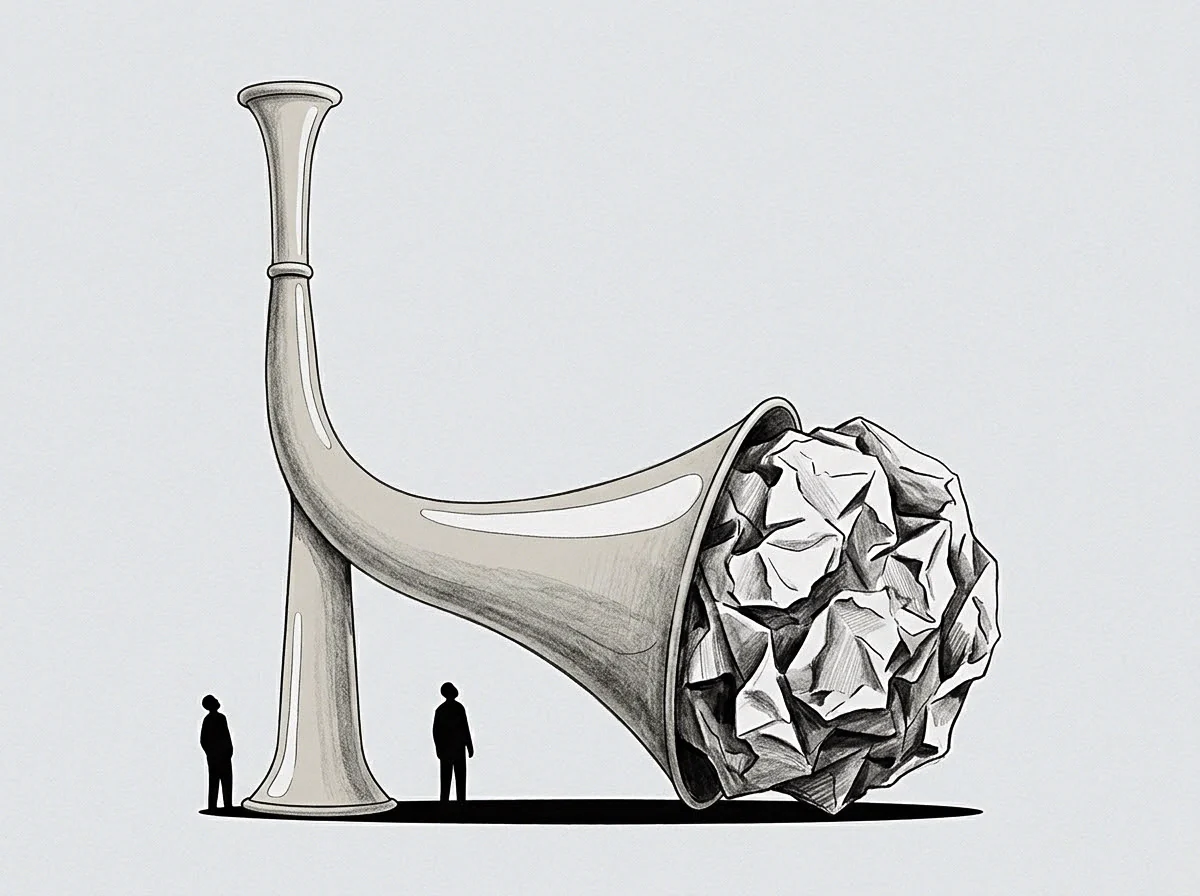
Meaning
The directional pressure exerted by rapid expansion on specific departments or processes indicates where organizational systems are most vulnerable to failure. This strain vector helps leadership identify which resources are nearing their operational limit. Analyzing these forces allows a company to deploy targeted solutions before critical workflows break down.
Directional Analysis
Identifying the source and path of operational pressure is essential for maintaining service quality. If the customer success team experiences high turnover while the sales team exceeds their targets, the strain vector points directly at the onboarding process. This specific focus enables the business to address workload imbalances rather than applying generic solutions across the whole company.
It ensures that capital is deployed where it will have the greatest stabilizing effect on daily operations.
Systemic Impact
Unresolved operational pressure tends to migrate through an organization along predictable pathways. When the engineering team struggles to deploy updates, the strain vector shifts toward customer support as user complaints increase. This secondary pressure creates a compounding effect that can demoralize staff and reduce overall productivity if left unaddressed.
Mitigation Focus
Addressing these pressures requires redistributing tasks or upgrading tools in the affected department. By tracking the strain vector, managers can reallocate attention and budget to the precise point of maximum vulnerability. This proactive maintenance keeps the entire organization balanced during scaling.