Meaning
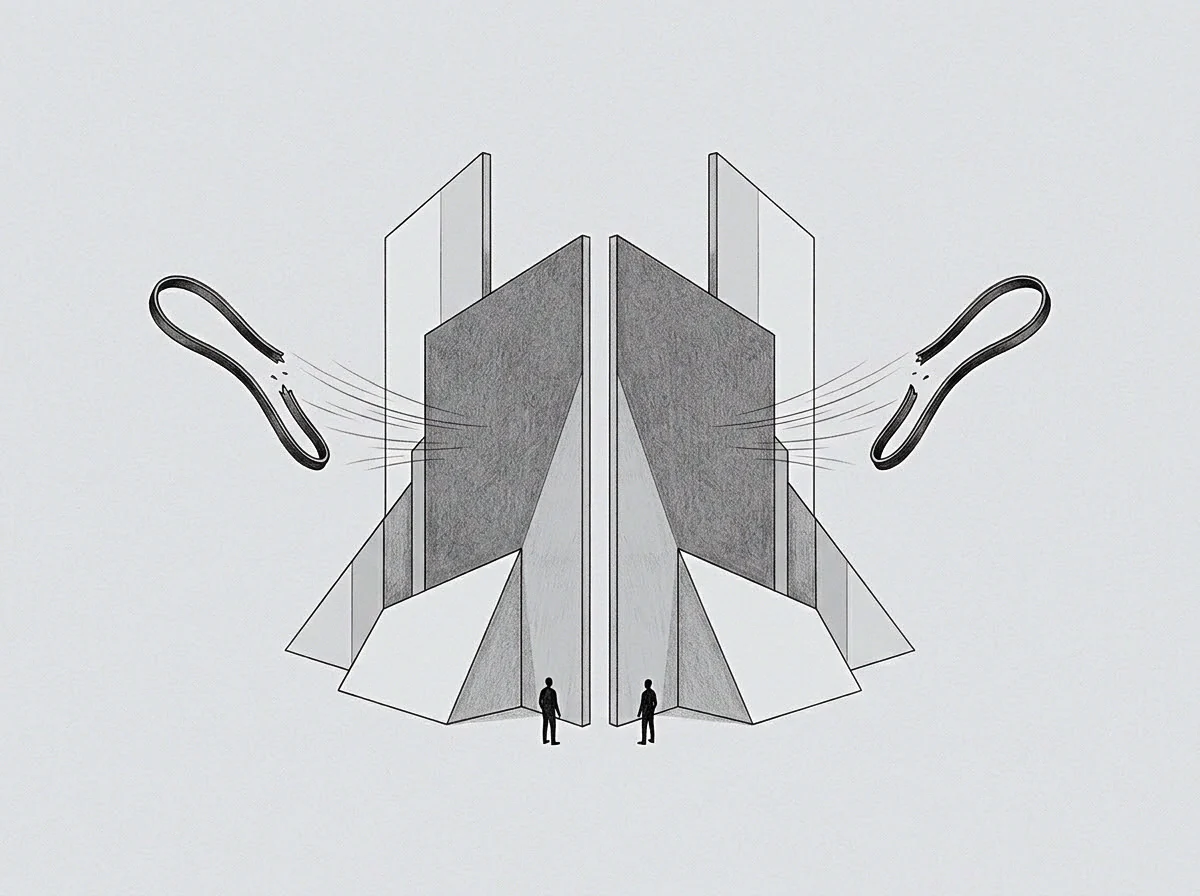
Operational capacity analysis measures the magnitude and direction of forces acting upon a team or system under load. The stress vector represents these combined forces, showing which processes are being stretched beyond their designed limits and in what direction. This metric provides a clear signal of where the next process failure is likely to occur, allowing for preemptive adjustment before the system breaks, which would otherwise result in costly operational downtime.
Force Direction
Identifying the source of operational pressure reveals which departments or workflows are absorbing the most stress. Some forces drive expansion, while others compress delivery timelines. Understanding these directions helps planners balance workloads so that no single part of the organization carries a disproportionate share of the load.
Area Load
Distributing pressure across a wider surface reduces the risk of localized failure. When a single team handles all incoming demands, the concentrated pressure can lead to critical errors. Spreading tasks among more units lowers the load density and helps maintain stable output levels during peak periods.
Internal Tension
Unresolved operational demands create tension within the system that reduces overall performance. This tension shows up as task delays and increased worker fatigue. Addressing these bottlenecks through process improvements relieves this internal pressure, restoring the system to a balanced state of operation.